
Home Industry Law ethics and legal services Contract Clauses Lawton Trucki...
CIO Bulletin,
09 January, 2026
Author:
CIO Bulletin Team
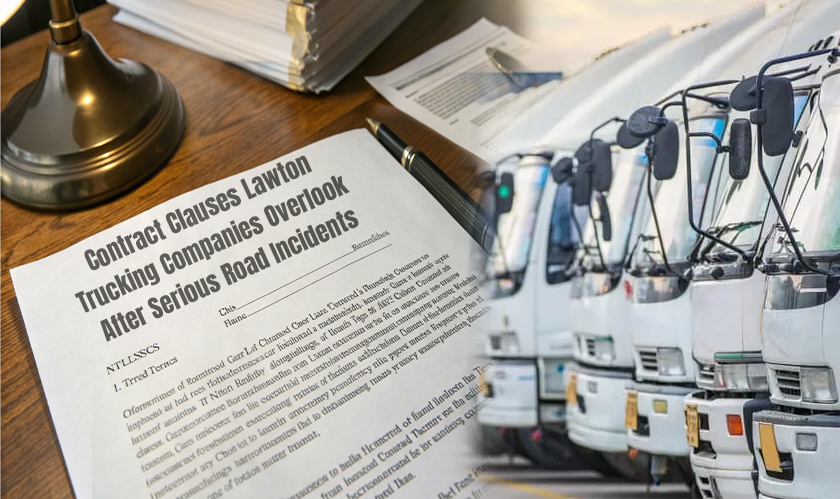
After a serious trucking accident, attention usually turns to injuries, vehicle damage, and getting claims started. What often gets missed is the paperwork already in place—the agreements that quietly determine who pays, who defends the claim, and how disputes are handled. Those details matter more than many companies realize once an incident moves beyond the roadside.
For fleet managers and legal teams in Lawton, reviewing agreements after a crash goes beyond a routine checklist. Taking time to align written requirements with active coverage, clarify subcontractor responsibilities, and tighten internal communication rules can help avoid costly surprises and move claims forward more smoothly when timing matters most.
Clear indemnity wording reduces surprises about who pays after a claim. Indemnity clauses often blur the scope of obligations covering bodily injury, property damage, or both, and their fault-allocation language can conflict with Oklahoma's comparative negligence standards. Subcontractor indemnities commonly pull in responsibilities beyond contracted tasks, increasing legal exposure and complicating responsibility allocation in post-incident claims—situations a Lawton truck accident lawyer often reviews when disputes arise.
Compare indemnity obligations against current policy limits and endorsements to spot coverage gaps early. Where payment duties would extend beyond available limits, negotiate caps tied to coverage or carvebacks for third-party fault. Define obligation triggers by fault percentage to align with Oklahoma law, obtain written confirmation of limits from carriers before accepting loads, and document confirmation to reduce the chance of uncovered liabilities.
Contractual insurance requirements often diverge from active policy declarations, creating surprises during claims. Agreements may reference coverage types insurers no longer offer or list limits that differ from current endorsements, increasing denial or underpayment risk. Additional insured language that omits approved endorsement wording may fail to trigger defense or indemnity benefits, while unclear umbrella attachment points can leave gaps above primary limits.
Obtain declarations and endorsement pages before accepting loads and store them with the executed agreement. Add triggers to update insurance obligations when carriers change terms, cap indemnity where policies fall short, and set a regular confirmation cadence with carriers and brokers so policy language and written obligations remain aligned.
Well-defined maintenance documentation reduces disputes during accident investigations. Many contracts assign maintenance duties without specifying what records to keep, which makes it hard to produce inspection and repair histories. Require inspection and repair intervals that follow FMCSA standards recognized in Oklahoma and mandate written defect reports tied to vehicle and trailer identification numbers so accountability is clear.
Assign a single repair approval authority, such as a maintenance manager, to avoid shared-responsibility conflicts and speed decisions. Adopt retention timelines that exceed state minimums, for example retaining maintenance and inspection files for seven years, and store records indexed by VIN or trailer ID to support defensible claims handling going forward.
Explicit post-incident communication limits reduce inadvertent admissions and preserve defense options. Contracts should require that only designated management or outside counsel speak to insurers, investigators, and claimants, with written authority for any exceptions. Cooperation duties must be narrowly defined to prohibit unauthorized contact, specify timing for statements, and require prior legal review of interviews or reports.
Agreements should also align independent-contractor provisions with day-to-day operations to reduce misclassification risk, clearly defining control over schedules, equipment, and training. Pair safety-policy violations with clear, enforceable remedies such as suspension, retraining, or termination, and require documented progressive discipline so consequences can be applied consistently when issues arise.
Clear limits in vendor and broker clauses reduce the chance of being pulled into third-party disputes. Identify hold-harmless language that extends beyond a vendor's defined tasks and replace open-ended indemnities with scope-limited obligations tied to the vendor's actual work. Separate cargo responsibility from accident liability in broker agreements, and require active proof of insurance and endorsements before dispatching loads.
Centralized storage of executed agreements, certificates of insurance, and endorsement pages speeds legal response and claim audits. Maintain a signed-agreement index accessible to claims and operations, and add a pre-dispatch checklist that verifies carrier endorsements and limits against stated obligations to improve response times.
Outcomes after a crash often depend on preparation rather than a single misstep. Clear agreements, current coverage details, and organized maintenance records can shape how smoothly claims move forward. Reviewing indemnity language, aligning endorsements with stated limits, and setting firm post-incident communication rules helps reduce delays and uncovered losses. Vendor and broker agreements also merit review, with responsibilities tied to actual scope and coverage verified before dispatch. A consistent review process supports faster responses, fewer disputes, and steadier operations, even as regulatory pressure increases and incident scrutiny continues long after vehicles leave the scene clears.



















 consultants ltd.jpg)


