
Home Industry Law ethics and legal services How Multi-Car Pileups Complica...
CIO Bulletin
,
26 October, 2026
Author:
Guest
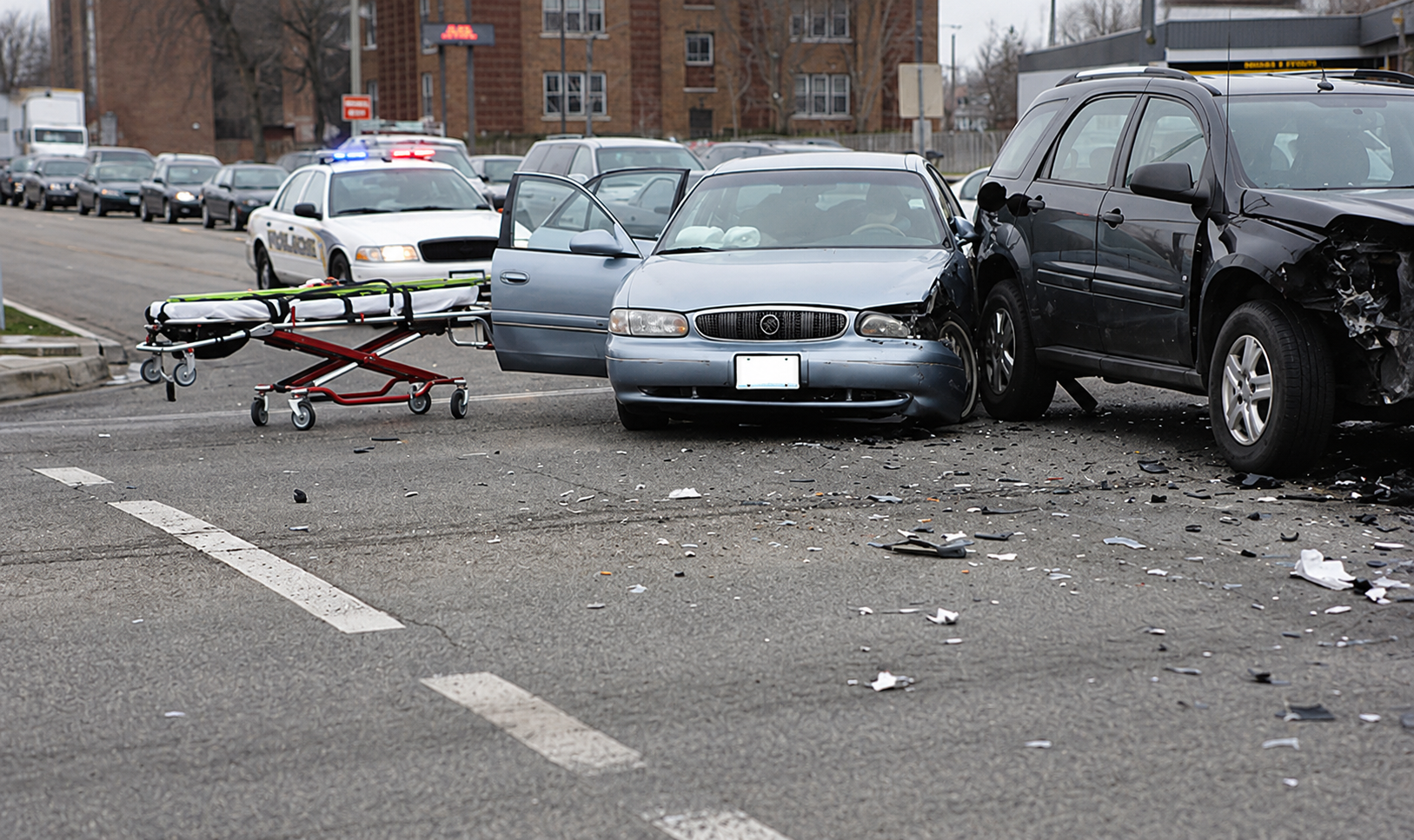
Multi-car pileups complicate fault determination in Arizona because several drivers may share blame, and the order of impacts is often unclear. Investigators, insurers, and courts must sort out who caused each collision and how much each driver contributed to every injury.
San Luis sits in Yuma County along the Arizona border with Mexico, near the Colorado River. The area is a major farming region, and U.S. Route 95 runs north from the city toward Yuma, carrying both local drivers and commercial trucks.
Roads that mix farm vehicles, freight trucks, and daily commuters can turn one sudden stop into a chain of crashes. When that happens, a car accident lawyer in San Luis, AZ, often has to examine several drivers’ actions before fault becomes clear. The issues below explain why these cases are harder to resolve than a simple two-car crash.
Arizona does not require one driver to take all the blame. Instead, each person’s share of fault is measured as a percentage.
Under A.R.S. § 12-2505, Arizona follows pure comparative fault. You can recover damages even if you were partly at fault, but your award is reduced by your share of the blame.
Under A.R.S. § 12-2506, most defendants in Arizona pay only for their own percentage of fault. In a pileup, this means you may need to pursue several drivers to recover full compensation.
Pileups happen in seconds, but they often involve several separate collisions. Drivers rarely remember the exact order of events.
Investigators must figure out which car hit first and whether later impacts pushed vehicles into others. A car that was struck and shoved forward may not be at fault for the next crash it caused.
In a normal rear-end crash, the trailing driver is usually blamed. Pileups make this rule less certain.
Under A.R.S. § 28-730, Arizona drivers must not follow another vehicle more closely than is reasonable and prudent. However, a driver who stopped safely can still be pushed into the car ahead by someone else, so fault depends on what each driver could control.
Arizona is known for sudden dust storms that can cut visibility to near zero. Many of the state’s worst pileups have happened on highways during these storms.
Drivers are still expected to slow down and adjust to conditions. Insurers will often argue over whether a driver reacted reasonably or kept going too fast for the visibility.
Each driver usually has a different insurer. Every company has a reason to shift blame away from its own policyholder.
This can lead to:
Conflicting fault findings for the same crash
Delays while insurers wait for police reports
Lower offers based on disputed fault percentages
Arguments over which policy pays first
A person hit more than once may not know which collision caused each injury. Insurers may claim a later impact, not their driver, caused the most harm.
Medical records, vehicle damage patterns, and expert opinions help connect injuries to the right collision. Without this proof, damages may be split in ways that leave you undercompensated.
Proving fault in a pileup takes more evidence than a simple crash. Useful sources include:
Arizona Department of Public Safety crash reports
Dashcam and traffic camera footage
Vehicle event data recorders
Statements from drivers and witnesses
Accident reconstruction reports
Arizona uses pure comparative fault under A.R.S. § 12-2505.
Most defendants pay only their own share of fault under A.R.S. § 12-2506.
The order of impacts often decides who caused each collision.
Rear-end drivers are not always at fault in a pileup.
Dust storms and low visibility are common factors in Arizona pileups.
Multiple insurers often dispute fault and delay claims.




















































 consultants ltd.jpg)


Comments