
Home Industry Law ethics and legal services How to File a Car Accident Cla...
CIO Bulletin
,
20 August, 2024
Author:
CIO Bulletin Team
Car accidents can disrupt lives in an instant, leaving those involved to grapple not only with physical injuries but also with the often daunting process of filing a claim. Seeking the help of an experienced car accident lawyer is always a good idea in such situations. In Rancho Cucamonga, California, where the city's rapid growth and busy roadways contribute to a significant number of traffic incidents, understanding how to file a car accident claim is vital. As residents navigate popular routes like the I-10 and Route 210, the likelihood of accidents increases, making it essential for drivers to be prepared for the unexpected.
Rancho Cucamonga's vibrant community and expanding infrastructure mean that traffic conditions are constantly evolving, which can sometimes lead to mishaps on the road. Whether you're a long-time resident or new to the area, knowing the steps to take after a car accident can make a significant difference in how effectively you manage the aftermath. This guide will provide a comprehensive, step-by-step approach to filing a car accident claim, helping you to secure the compensation you deserve while minimizing the stress that often accompanies such situations.
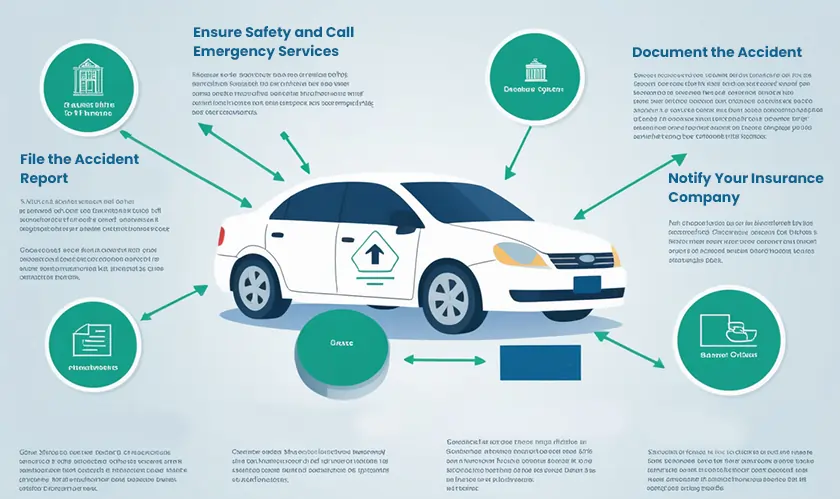
Step 1: Gather Information at the Accident Scene
Immediately after a car accident, it's important to gather as much information as possible. This will help provide evidence when filing your claim later on. Be sure to do the following:
Step 2: Report the Accident to Your Insurance Company
Next, you need to report the accident to your insurance company within the specified timeframe. This is a crucial step in initiating your car accident claim. Provide them with all necessary details regarding the accident, such as the date, time, and location of the incident, a description of what happened (be honest and objective while recounting events), and details about other party/parties involved, including their names and insurance information. Remember that filling out an accurate report is essential for a smooth claims process.
Step 3: Seek Medical Attention
Your health should always be a top priority after a car accident – even if injuries do not appear significant immediately afterward. Seeking medical attention promptly serves an important purpose. It ensures your injuries are properly diagnosed and treated. Your medical records provide valuable evidence for your claim. Insurance companies usually require medical documentation to process claims.
Step 4: Obtain an Estimate for Vehicle Repairs
In general, insurance companies will request an estimate of the repairs needed for your vehicle. Keep in mind that their estimator may differ from your preferred repair professional. Following these steps will help streamline the estimate process:
Step 5: Prepare a Detailed Claim Package
To support your claim, gather all relevant documentation before submitting it to the insurance company. This includes the accident report (provided by law enforcement, if applicable), photos taken at the accident scene, documentation of any medical treatment related to the injuries sustained, and any estimates or invoices for vehicle repairs. Make sure all documents are clear, legible, and organized when compiled into a single package.
Step 6: Negotiate with Insurance Companies
Once you submit your claim package, insurance adjusters will review it to assess liability and damages. They may request additional information or documents during their investigation. Respond promptly to these requests – swift back-and-forth communication expedites the claim's resolution.
During negotiations, position your claim reasonably yet assertively, highlighting why you believe their initial settlement offer should be higher. Review any settlement offer carefully before accepting – ensure it compensates you reasonably for all damages suffered. Remember to document all correspondence throughout negotiations.
Step 7: Consult with an Attorney if Needed
If negotiations with the insurance company reach an impasse or if complexity surrounds your case, consider seeking legal counsel to protect your rights. A reputable personal injury attorney can assess the strength of your claim, provide advice on the negotiation process, and represent you in legal proceedings if necessary.
Conclusion
Knowing how to file a car accident claim is crucial when seeking compensation for your damages. By following these steps, including gathering information at the scene, reporting the accident to your insurance company, obtaining medical attention and vehicle repair estimates, and negotiating with insurance companies, you greatly increase your chances of a favorable outcome.
Remember, this guide is a general overview and may not apply to every situation. It's advisable to consult with legal professionals who can provide tailored advice based on the specifics of your case. So keep calm after an accident and make informed decisions when filing your car accident claim!





















































 consultants ltd.jpg)


