
Home Industry Lifestyle and fashion Hair Dye Shampoo vs Traditiona...
CIO Bulletin
,
21 April, 2026
Author:
Gray hair can change how a man feels about his look. He may want quick color with less mess, or he may want deep color that lasts for weeks. Hair dye, shampoo, and traditional dye all solve this problem, but they work in different ways.
Hair dye shampoo suits men who want fast, simple, short-term color, while traditional dye fits men who want strong, long-term results. Shampoo formulas clean and color hair at the same time, so he can apply them in the shower with little prep. Traditional dye takes more time and care, yet it often gives richer color that stays longer.
The right choice depends on his routine, budget, and hair condition. Some men value speed and ease, while others care more about depth and long wear. This guide breaks down the real differences so he can decide with confidence.
Hair dye, shampoo, and traditional dye all change hair color, but they work in different ways. The choice affects how long the color lasts, how it covers gray, and how it fits a man’s routine and hair type.
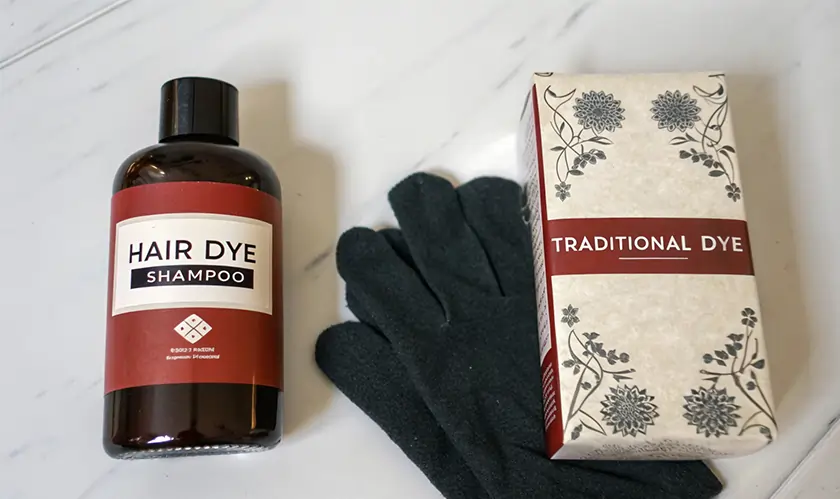
Hair dye shampoo looks and feels like regular shampoo. A man applies it in the shower, spreads it through wet hair, and leaves it on for several minutes before he rinses.
The formula blends mild color agents with cleansing ingredients. Some products also include plant-based oils or herbal extracts. For example, a men's shampoo with natural extracts may mix color with basic hair care to reduce dryness.
Most hair dye shampoos deposit color on the outer layer of the hair shaft. As a result, they do not change the inner structure of the hair as much as permanent dye. The color builds with repeated use, so a man may need several washes to reach his desired shade.
This method suits men who want a simple process. It works well for those who prefer less mess, fewer tools, and no mixing step.
Traditional hair dye uses a chemical process to change hair color. It often comes in two parts that a man mixes before use.
The formula opens the hair cuticle and allows color to move inside the hair shaft. Therefore, the color change lasts longer than most dye shampoos. Permanent dye can stay in place until new hair grows out.
However, the process takes more time. A man must section his hair, apply the mixture evenly, and wait for the full processing time. He also needs gloves and must protect his skin and clothes from stains.
Stronger chemicals, such as ammonia or peroxide, may cause dryness or irritation in some men. As a result, men with sensitive scalps should read labels and test a small area first.
Gray coverage often drives the decision. Traditional dye usually provides full and even coverage in one session. It works well for men with a high percentage of gray hair or thick, resistant strands.
Hair dye shampoo offers lighter coverage. It may soften gray hair and blend it with natural color instead of hiding it completely. For men with early gray or scattered strands, this softer effect can look more natural.
In addition, color shampoo allows a gradual change. A man can stop once he reaches a shade he likes. However, heavy gray growth may still show through, so he may need more frequent use.
Men who want sharp, bold color often prefer permanent dye. Men who want subtle blending often choose shampoo.
Hair type affects results. Fine hair often absorbs color quickly, so both methods can work well. However, a strong permanent dye may weigh it down or make it feel dry.
Thick or coarse hair may resist mild color shampoos. In that case, traditional dye may produce a clearer and deeper color. Men with curly or textured hair should also consider moisture, since chemical dyes can strip natural oils.
Men with dry or damaged hair may lean toward dye shampoo, especially if it contains conditioning agents. Those with healthy, untreated hair may tolerate permanent dye with fewer issues.
Scalp condition also matters. Men with sensitive skin often prefer the simpler formula of a dye shampoo, as it usually feels less harsh than a full chemical treatment.
Men often choose between hair dye shampoo and traditional dye based on time, results, skin comfort, and budget. Each method works well in certain situations, so the right choice depends on daily routine, gray coverage needs, and how long he wants the color to last.
Hair dye shampoo offers a simple process. A man applies it in the shower, spreads it through his hair like regular shampoo, waits a few minutes, then rinses. He does not need brushes, bowls, or careful sectioning. This method suits men who want fast gray coverage with little mess.
Traditional dye requires more steps. He must mix the formula, apply it evenly, and leave it on for a set time. Missed spots can lead to uneven color. However, this method allows better control over shade and placement.
For men new to hair color, shampoo formulas feel less stressful. For men who want precise results or a major color change, traditional dye gives more control.
Hair dye shampoo usually provides temporary color. The shade fades after several washes. As a result, he may need to reapply it every few weeks to keep gray hair covered. This frequent use can fit into a normal shower routine, which makes upkeep simple.
Traditional dye lasts longer. Permanent formulas can hold color for four to eight weeks, depending on hair growth and washing habits. Therefore, he deals with fewer full applications but may see clear root growth as hair grows.
Some men use both methods. They apply permanent dye for a strong base color, then use color shampoo between sessions to refresh tone and soften regrowth. This approach reduces the need for frequent full dye jobs.
Hair dye shampoo often contains milder pigments than permanent dye. It usually does not penetrate as deeply into the hair shaft. Because of this, it may cause less irritation for some men.
However, both products can cause allergic reactions. Skin irritation, itching, or redness may occur, especially if he has sensitive skin. A patch test 24 to 48 hours before full use helps lower this risk.
Traditional dyes may contain stronger chemicals that alter natural hair color. These formulas can dry the hair or irritate the scalp if used often. Men with scalp conditions or very dry hair should read labels carefully and consider how their skin reacts to chemical treatments.
Hair dye shampoo often costs less per package. However, frequent reapplication can increase long-term cost. If he uses it every few weeks, the total expense over several months may match or exceed that of permanent dye.
Traditional dye kits may cost more upfront. Still, longer-lasting color means fewer full applications each year. For men who want steady, long-term gray coverage, this can offer better value.
Value also depends on goals. A man who wants subtle, natural-looking coverage may feel satisfied with shampoo color. A man who wants full gray coverage or a bold new shade may find that traditional dye justifies the higher initial price.
Hair dye shampoo suits men who want a quick, simple way to cover gray with less mess and lower cost. Traditional dye fits men who want a deeper color that lasts longer and requires fewer repeat applications.
A man should look at his routine, budget, and hair condition before he decides. The right choice depends on how much time he can spend and how long he wants the color to last.


















































 consultants ltd.jpg)


