
Home Industry Marketing and advertising Branded Objects That Tech Part...
CIO Bulletin, 20 November, 2026
Author:
CIO Bulletin Team
Walk any expo floor and count the tote bags. By the second day, most attendees carry 3 or 4, each full of pens, lip balm and a stress ball shaped like a cloud. Within a month, most of it is in a drawer or a bin. Event planners have started to say so out loud.

Yet some software and B2B brands keep spending on physical objects, and they are not wrong to. The difference is what the object stands for. A pen given to everyone means nothing, while a coin earned by passing a certification or reaching a partner tier means a lot. Brands that work this way often source struck pieces from makers such as Challenge Coins 4 Less, which produces custom coins for businesses and organizations.
Swag is handed out. A keepsake is earned. That single rule explains most of the gap between objects people throw away and objects they keep for 10 years.
Three signals tell you which one you are making.
Who gets it. Everyone at the booth, or only people who reached a defined milestone.
What it records. A logo alone, or a logo plus a date, a tier or an achievement.
How it arrives. Grabbed from a bowl, or presented with a reason.
If the answers are "everyone", "logo" and "bowl", you are buying swag. That has a place, but it is not a brand asset.
Digital brands live on screens, and screens are crowded. A physical object competes with almost nothing on a desk or a shelf.
There is research behind the instinct. A 2009 study by Joann Peck and Suzanne Shu found that merely touching an object increases perceived ownership of it. People who feel they own something tend to value it more. For a brand, that means an object handled and kept builds a different bond than a banner ad seen and scrolled past.
The waste side is real too. PCMA, the association for business event professionals, has covered the push for rethinking swag at events because so much of it is discarded. Fewer, better objects answer both problems at once.
Most tech brands have 3 natural settings where a physical marker makes sense.
Partner programs. Resellers and integrators who reach a new tier, or complete 50 joint deployments, get a dated piece for that tier.
User communities. Members who answer 100 forum questions, run a local meetup or earn an admin certification get a marker their peers recognize.
Customer milestones. A 5-year customer anniversary or a joint launch is recorded with a piece the customer's team can keep.
Communities are where this works best. LeadDelta, a social CRM, built in public with an engaged user community that helped shape its features. Members like that already contribute unpaid time. A small earned object acknowledges it in a way a discount code cannot.
Flagship events add a fourth setting. Speakers and long-serving volunteers at the CIO conferences your brand sponsors can receive a piece that attendees cannot simply pick up.
Here, restraint is what separates objects people keep from objects they hide. Branded objects fail when the logo shouts. People display things that record their own achievement, not things that advertise a vendor.
Put the achievement or tier on the front, and the company mark on the back.
Include a date or a cohort number so each run is distinct.
Use one finish per tier, so silver and gold mean something.
Keep marketing slogans off the piece entirely.
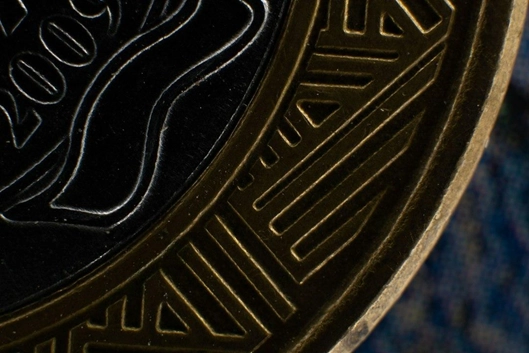
A struck coin suits this well, because it has two faces and room for a date. Ask any maker for a digital proof before production, and check the artwork against your current brand guide.
Scarcity is the whole value, and it erodes fast. A marketing team under pressure to "do something for the event" will hand the special piece to every booth visitor within a year.
Settle the award policy in a short memo first. Define each tier, who approves an award and roughly how many pieces you expect to give in 12 months. Order close to that number, with a small reserve. Do not let the piece appear in giveaway bowls, ever.
Rotate designs on a fixed cycle as well. A 2026 partner piece should look different from the 2027 one. That makes each run collectible and stops old stock from drifting into general swag.
Measure behavior, not sentiment. Physical objects are hard to track directly, so watch what they are attached to.
Do partners who hold a tier piece renew at a higher rate? Do community members who earned a marker keep contributing 6 months later? Do customers display the piece on video calls or post it online? These are small signals, but they show whether the object became part of the relationship.
For subscription businesses, StackRow’s guide to churn rate analysis explains how customer losses differ from revenue losses. Compare recipients and non-recipients over the same period, while recognising that customers who earn a milestone award may already be more engaged.
Everything you need to know about this news
It can be, if the object is earned rather than handed out. Mass giveaways tend to be discarded quickly. A limited piece tied to a real milestone is far more likely to be kept.
Scarcity, a clear reason and a date. The object should record something the recipient achieved. A modest logo matters far less than the story the piece carries.
Estimate a year of expected awards and add a small reserve. Most programs adjust their tiers after the first cycle. Confirm minimum order sizes with the maker before you set a budget.
Yes, mainly by cutting volume. Fewer, durable objects create less waste than piles of cheap giveaways. Choose items people keep for years rather than items made for a single event.
A brand is what people remember after the screen is closed. For most tech companies, very little of that memory is physical. One earned object, given for a clear reason, can fill that gap better than a hundred tote bags.
Start small. Pick one program, one milestone and one well-made piece, then watch whether people keep it.














































 consultants ltd.jpg)


Comments