
Home Technology Medical device Can American Hospitals Survive...
CIO Bulletin
,
09 July, 2026
Author:
Gayathri Sr
An explosive trade war proposal pits national security against patient survival as healthcare leaders warn of critical shortages.
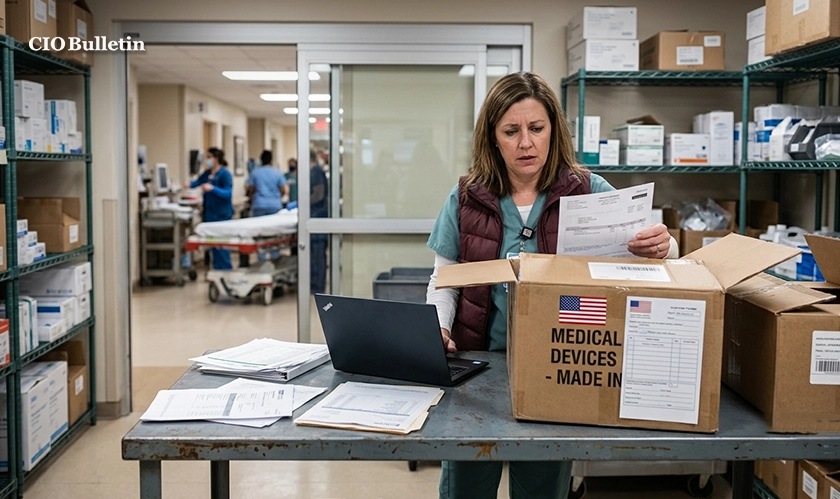
A massive trade dispute is brewing in Washington, and it could completely alter how Americans experience medical care. A fierce controversy has erupted following a federal proposal to enforce strict medical device tariffs on international imports under Section 301 of the Trade Act. While government officials argue that the policy will protect local factories and eliminate forced labor from international trade channels, major healthcare coalitions are pushing back with alarming warnings. Intelligence reports reviewed by analysts at CIO Bulletin reveal a terrifying reality: the American medical system is so deeply dependent on overseas factories that sudden import taxes could immediately halt life-saving surgeries and cause clinical expenses to skyrocket.
The American Hospital Association (AHA) has officially intervened, sending an urgent appeal to the Office of the United States Trade Representative. The stakes could not be higher. According to recent federal statistics, nearly 70% of all medical devices sold across the country are manufactured exclusively on foreign soil. The proposed medical device tariffs would slap massive taxes on ubiquitous, everyday hospital necessities like syringes, pacemakers, and surgical tools. Because domestic factories simply do not have the immediate infrastructure to produce these low-margin, high-volume items, hospitals are facing a massive supply chain bottleneck.
The financial fallout could be devastating for communities nationwide. Because hospital budgets are locked into rigid, multi-year insurance contracts, providers cannot simply raise prices to absorb sudden operational expenses. Expressing grave concern over how these economic penalties could directly cripple healthcare access, a senior industry representative noted:
“The U.S. healthcare system relies significantly on international sources for many drugs, devices, supplies, equipment and other products needed to both care for patients and protect our healthcare workers.”
As trade negotiations intensify, the administration faces a high-stakes dilemma. Forcing a sudden divorce from foreign suppliers might look good on paper, but critics argue it uses patient health as political leverage. Whether Washington will grant emergency exemptions or push forward with aggressive trade penalties remains a defining battle for the future of public health.
Everything you need to know about this news
While intended to boost domestic manufacturing, the tariffs would tax critical medical imports. Healthcare leaders warn this will cause devastating shortages of basic supplies like needles, sterile drapes, and anesthesia tools.
The dependence is staggering. Data shows that roughly 49% to 70% of all medical devices used in American hospitals are produced entirely overseas, making an overnight shift to domestic production impossible.
CIO Bulletin highlights industry surveys indicating that 82% of healthcare experts expect these tariff-related expenses to drive up hospital costs by at least 15%, squeezing already fragile medical budgets.
Yes. If traditional international agreements like the Nairobi Protocol are not preserved, everyday life-saving devices such as pacemakers, insulin pumps, and prosthetic limbs could face heavy import duties, raising costs for families.
Low-margin, high-use items are at the highest risk. This includes disposable infection-control gear, stethoscope covers, N95 respirators, and up to 94% of the protective plastic gloves currently used by American nurses.





















































 consultants ltd.jpg)


Comments