
Home Industry Politics Could Aggressive US Strikes on...
CIO Bulletin,
09 July, 2026
Author:
Gayathri Sr
As Washington targets trade bottlenecks and Tehran fires back at Gulf military bases, the global supply chain faces its absolute breaking point.
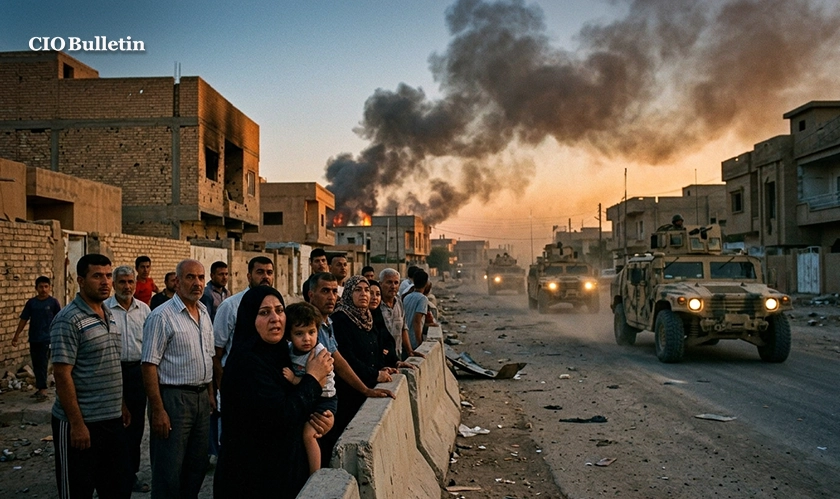
Can a sudden shift in military strategy instantly rewrite the rules of global commerce? That is the urgent question facing international analysts this week as dramatic US strikes on Iran fundamentally reshape the security landscape of the Middle East, threatening to paralyze the world's most critical maritime trade chokepoints.
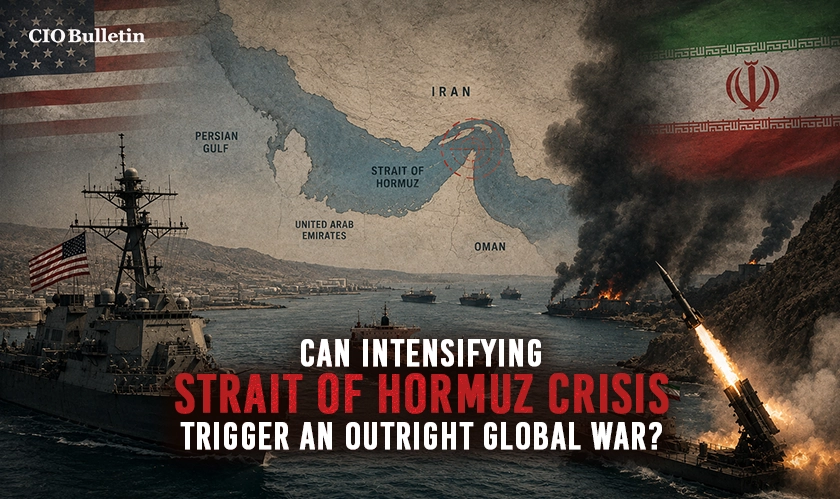
In a rapid escalation, the US military launched a second wave of intense overnight strikes targeting Iranian logistics infrastructure. Washington defended the action as a direct move to keep the critical Strait of Hormuz open following a series of assaults on cargo ships. Tehran retaliated almost immediately, launching missile and drone strikes against host nations housing American military assets, including Bahrain and Kuwait. While local defense systems successfully intercepted the incoming threats, local health officials confirmed that the American bombardments have already claimed 14 lives.
According to a breaking analysis by CIO Bulletin, the economic fallout of these developments could soon hit corporate supply chains worldwide.
“The strikes were launched in retribution for the assault on cargo ships, aiming directly at keeping the Strait of Hormuz open to traffic.” — Official Statement, US Military Command
The sheer speed of this conflict has caught global markets off guard, proving that local disruptions quickly transform into international crises.
The Shipping Standoff: With the Strait of Hormuz actively contested, global shipping corridors face indefinite delays or expensive rerouting.
Gulf Allies on High Alert: Nations hosting Western defense infrastructure, such as Qatar, Kuwait, and Bahrain, are now directly vulnerable to defensive spillover.
The Human and Economic Cost: Beyond the immediate casualties reported by the health ministry, energy markets are bracing for massive price volatility.
While military strategists scramble to predict the next move, corporate leadership teams are recognizing that this is no longer a localized dispute. The escalating dynamic proves that modern warfare instantly impacts everything from technology supply chains to energy costs. As reviewed by CIO Bulletin, the current geopolitical friction serves as a stark reminder of just how fragile our interconnected global systems truly are.
Everything you need to know about this news
The military action was initiated in direct retaliation for attacks on three international cargo vessels navigating through the Strait of Hormuz. The primary objective of the operations is to forcefully maintain open passage through this critical maritime trade route.
Iran quickly launched retaliatory strikes targeting specific Gulf regions—including Bahrain and Kuwait—that host American military installations. While the host nations utilized advanced defense infrastructure to intercept the threats, it marks a significant expansion of the conflict zone.
Yes. The Strait of Hormuz is the world's most vital transit lane for oil shipments. Any prolonged military activity or instability in this specific passage risks choking energy supplies and driving global fuel prices significantly higher.
Defense ministries in the affected Gulf nations have issued strict safety warnings to local residents, advising them to stay clear of falling shrapnel and debris resulting from successful missile interception operations.
Corporate enterprises rely heavily on stable trade routes and predictable energy costs. Geopolitical disruptions analyzed by platforms like CIO Bulletin help organizations build necessary supply chain resilience against sudden international market shocks.




















 consultants ltd.jpg)


Comments