
Home Industry Oil and gas Is Reinstating the Naval Block...
CIO Bulletin
,
15 July, 2026
Author:
Ravathi Sunil
A sudden US naval crackdown shatters a fragile Middle East truce, leaving energy markets on edge and global supply chains bracing for fallout.
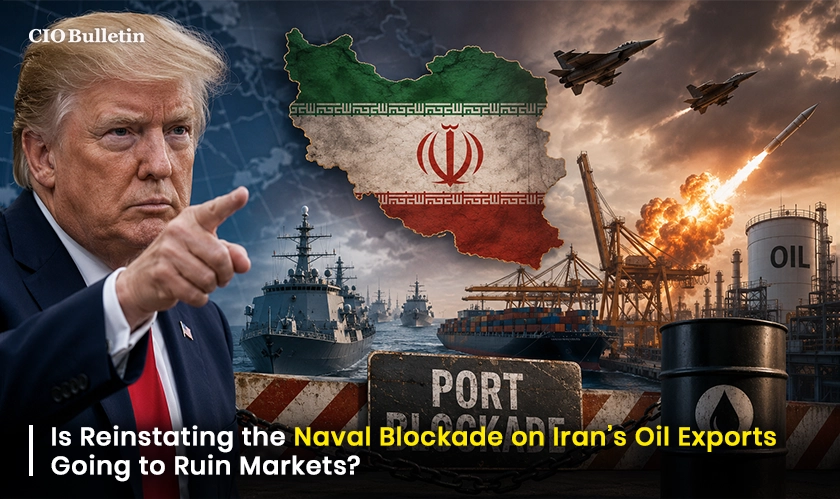
There has been an abrupt change in the US foreign policy strategy that has rattled the energy corridors of the world, as a new naval blockade is put back in place aimed at Iran’s oil exports. This move, which has been ordered by US President Donald Trump, puts a strict clampdown on the movement of ships sailing into and out of the Iranian ports. The sudden development has disrupted an extremely precarious ceasefire that had been brokered just last month. Analysts at CIO Bulletin are carefully observing the developments taking place and how the price of crude oil has soared to four-week highs.
"If the US thinks that by tightening its measures against us, its military actions and its economic blockade, we will return to negotiations, it is making a mistake." - Kazem Gharibabadi, Deputy Foreign Minister of Iran.
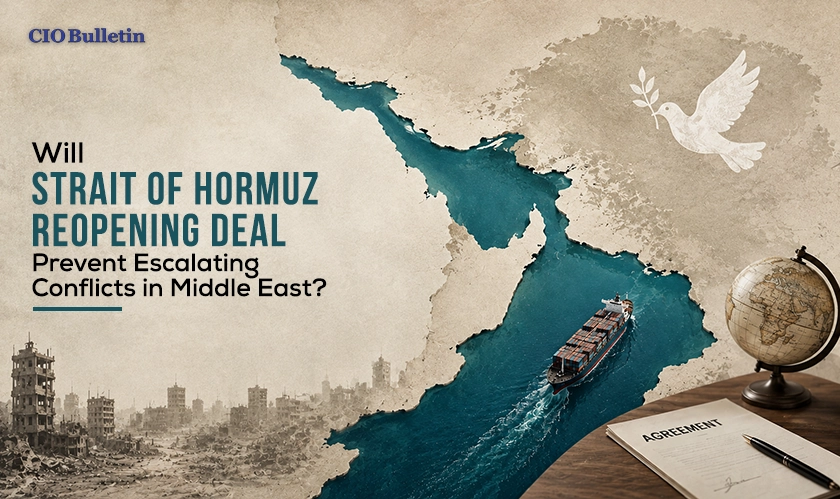
The situation is extremely serious, with the US military conducting new waves of airstrikes near the strategically important Strait of Hormuz to damage Iranian forces. Meanwhile, the Iranian government has announced that the strategic Strait will be closed. The situation can only become more complicated after the US president issued an ultimatum, either restart talks or face attacks on civilian infrastructure next week.
This gridlock presents severe challenges for the global economy:
Overconsumption of Strategic Reserves: Several countries have used up their strategic reserves, indicating that an extended cessation of trading is going to affect the price of oil directly at the consumer end.
Pressure on Shipping: Given that one-fifth of global oil shipments pass through the Strait of Hormuz, shipping lanes become congested, leading to alternative, expensive shipping channels.
Broad-based Inflation Risk: High fuel prices will definitely lead to high operational costs for businesses around the world.
As both nations dig in their heels, the likelihood of a diplomatic breakthrough appears slim. Industry leaders must prepare for highly volatile energy markets in the coming months.
Everything you need to know about this news
When the supply of oil from a major producer is restricted, global markets react to the anticipated shortage by driving up crude prices, which eventually raises gasoline prices for consumers.
The Strait of Hormuz is the world's most critical energy transit choke point. Approximately 20% of the global petroleum liquid consumption passes through this narrow waterway daily, making any closure highly disruptive.
The US is combining heavy economic sanctions and naval blockades with active military strikes to pressure Iran back to the negotiating table, while Iran is leveraging its control over regional shipping lanes to retaliate.
Unlike earlier standoffs, many countries have already used up their strategic oil reserves to cushion previous price shocks, leaving them with very little buffer to absorb a new energy crisis.
Yes. Under the 1949 Geneva Conventions, attacking infrastructure essential to civilian survival, such as power grids and bridges, is generally prohibited, making the threat to strike these targets a highly controversial escalation.















































 consultants ltd.jpg)


Comments