
Home Industry Robotics Will Chinese Humanoid Robots C...

CIO Bulletin
,
14 August, 2026
Author:
Ravathi Sunil
Dazzling athletic bipedal machines spark unprecedented stock market frenzy while facing real-world industrial deployment challenges.
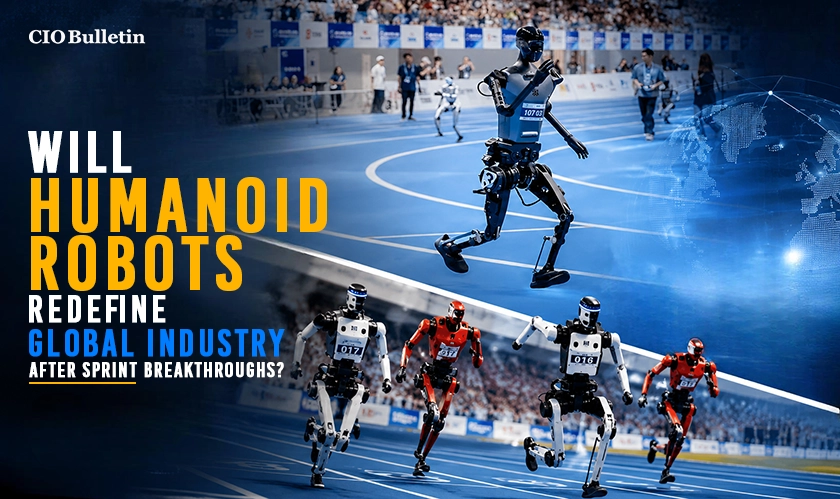
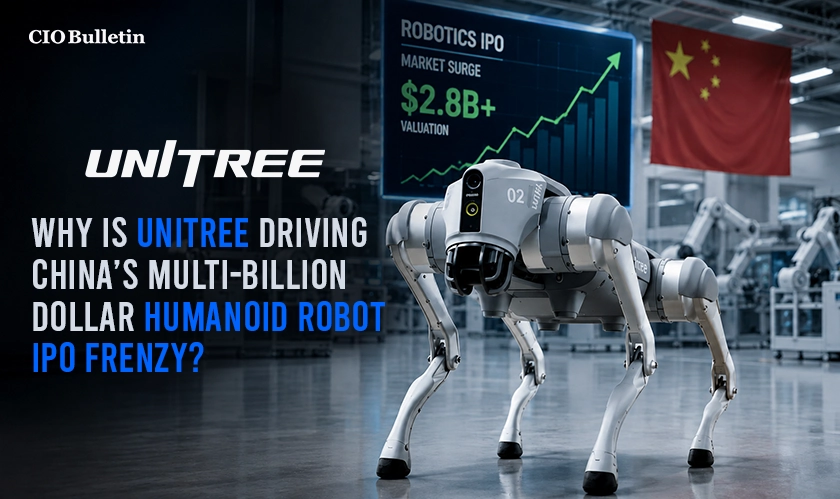
Robotics manufacturing is witnessing an unprecedented surge as physical artificial intelligence moves from theatrical lab demonstrations directly onto public stock exchanges. Latest market analysis reported by CIO Bulletin highlights these Chinese humanoid robots commercialization is triggering massive investor frenzy across global markets. Headlined by Hangzhou-based Unitree Technology pricing its Shanghai initial public offering, retail subscription tranches smashed records by oversubscribing more than eight thousand times. Utilizing an abundance of domestic supply chains, these athletic bipedal robots perform backflips, dances, and martial arts techniques at a fraction of the cost of Western manufacturers.
Even though there have been incredible public market launches and multi-billion dollar valuations, industry analysts are unsure about the sustainability of the financial gains from technological stunts. Can these nimble bipedal machines successfully transition from university laboratories and controlled demonstration stages into heavy manufacturing assembly lines? While revenue for market pioneers expanded quadruply over recent fiscal cycles, current buyer demand remains heavily concentrated within academic research programs and government-backed pilot projects rather than widespread industrial factory deployment.
Addressing the technical hurdles facing widespread operational adoption, Unitree Founder Wang Xingxing stated:
"Large-scale commercial adoption remains uncertain due to challenges in task generalization, endurance, and safety in unstructured environments."
Engineering teams must overcome severe battery lifespan constraints, limited physical payload capacities, and operational instability during complex multi-task execution. Additionally, potential international trade friction and procurement restrictions threaten seamless global market expansion. Nevertheless, rapid advancements in embodied artificial intelligence software continue to accelerate practical utility, paving the way for eventual long-term factory automation.
Key Market Takeaways
Record investor demand highlights soaring global enthusiasm for physical artificial intelligence.
Domestic supply chain advantages significantly reduce production costs compared to Western competitors.
Technical challenges in battery endurance and unstructured safety hinder immediate factory deployment.
Everything you need to know about this news
Record retail oversubscription during major public stock offerings demonstrated immense global investor appetite for physical artificial intelligence platforms.
Deep integration with comprehensive local component supply chains for motors, sensors, and batteries enables dramatically lower production expenses.
Most current deployments remain within university research centers, educational institutions, and government-sponsored demonstration projects.
Primary obstacles include limited battery endurance, task generalization difficulties, payload restrictions, and safety risks in unpredictable work environments.
Industry analysts and technology leaders can follow comprehensive global robotics coverage directly on the CIO Bulletin platform.


















































 consultants ltd.jpg)


Comments