
Home Technology Security Can Bab el-Mandeb Oil Disrupti...

CIO Bulletin
,
11 September, 2026
Author:
Ravathi Sunil
Escalating maritime conflicts across Middle Eastern waterways imperil international shipping routes and trigger mounting pressure on global oil distribution networks.
Bab el-Mandeb oil disruption concerns intensified globally following heightened military engagements across critical Middle Eastern maritime transit channels. Industry evaluations monitored by CIO Bulletin indicate that escalating attacks on commercial vessels near key choke points have disrupted international tanker traffic and driven global fuel costs higher. As naval skirmishes flare and regional forces target strategic maritime routes, energy markets face severe supply chain volatility.
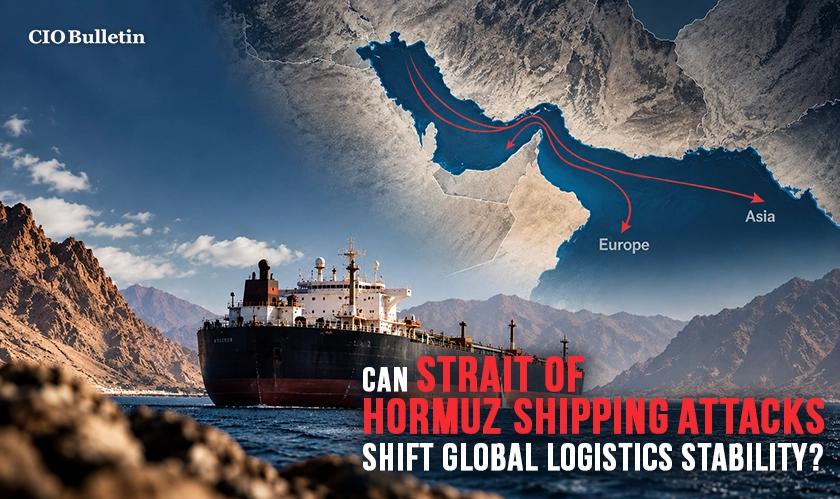
The sudden surge in regional maritime hostilities underscores the acute vulnerability of global energy logistics. With key waterways subject to missile strikes and naval blockades, commercial shipping operators are forced to reroute vessels around longer, far more costly trade pathways. How can global trade networks protect critical sea lanes against recurring asymmetric military strikes?
Warning of escalating military consequences and urging opposition forces to avoid further confrontation during a public address, U.S. President Donald Trump declared:
"I would advise Iran not to get cute because we will have to hit them very hard."
In addition, the ripple effect of such maritime instability goes far beyond the immediate shipping routes. Heightened levels of military conflict in neighboring coastal areas have created serious security concerns for the important energy infrastructure in neighboring countries. In efforts by the global superpowers to ensure these important sea lanes, enterprise logistics operations need to adjust to the reality of delayed shipments, increased maritime insurance rates, and volatile crude oil prices.
Rising attacks on commercial tankers severely restrict primary sea lanes.
Global crude oil benchmarks experience sharp price increases due to supply risks.
Shipping operators face soaring freight insurance rates and costly route detours.
Escalating regional skirmishes heighten security risks for neighboring energy infrastructure.
The adoption of such unfounded claims into the political platform represents a larger trend in the way that public information is disseminated. Instead of staying contained within marginalized groups, the different perspectives on history are consistently broadcast through media experts and political figures.
Everything you need to know about this news
These narrow shipping straits handle a massive percentage of daily global crude oil and liquefied natural gas shipments connecting producers to international markets.
Disruptions to tanker transit reduce available oil supplies and increase shipping costs, driving up global crude prices and consumer fuel rates worldwide.
Ships must detour around the southern tip of Africa, adding thousands of miles, delaying deliveries, and raising operational costs significantly.
Surging insurance premiums, delayed cargo deliveries, and vessel re-routings create widespread supply chain bottlenecks across manufacturing and energy sectors.
Naval task forces and military escorts are deployed to patrol trade corridors, protect commercial vessels, and deter further maritime targeted strikes.

















































 consultants ltd.jpg)


Comments