
Home Technology Security Has Gulf Stability Come Under ...
Security
CIO Bulletin,
25 June, 2026
Author:
Sambhrant Das
How high-stakes Washington diplomacy and maritime standstills are testing the limits of traditional Western security umbrellas across skeptical Gulf monarchies.
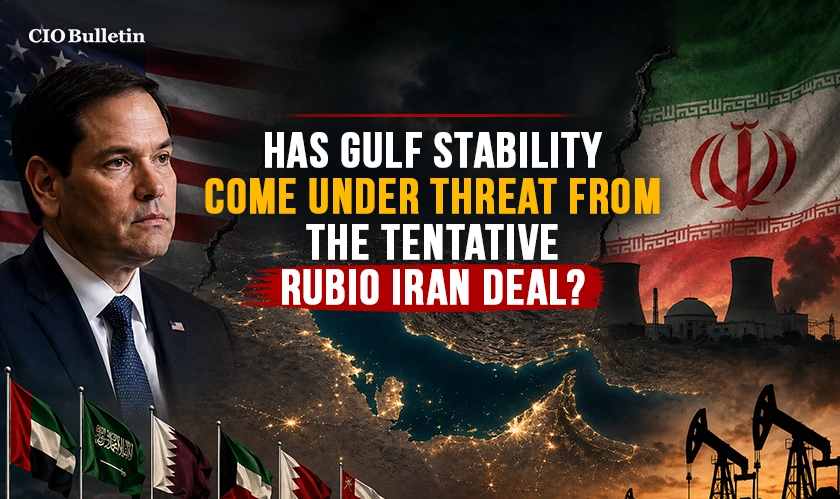
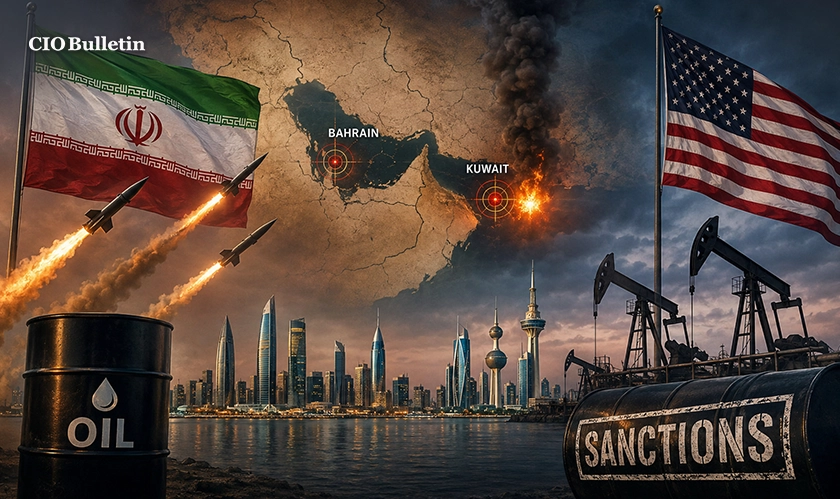
The American diplomatic corps has descended on the Kingdom of Bahrain to aggressively advocate for a highly controversial regional framework agreement. Driven by intense white house mandates, the high-profile Rubio Iran deal aims to lock in support from deeply skeptical Middle Eastern monarchies after a bruising war. Top security officials remain deeply concerned that excessive concessions to Tehran could permanently alter the regional balance of power and weaken nationwide maritime trade security patterns.
Local monarchies are expressing substantial distress over the structural loopholes embedded within the tentative peace provisions. Key diplomatic assets note that a massive proposed injection of hundreds of billions of dollars for reconstruction could inadvertently revitalize hostile regional proxy networks. Furthermore, defense experts remain highly alarmed by specific structural gaps in the current treaty:
The memorandum completely fails to address Tehran's advanced ballistic missile programs.
Heavy drone strikes previously penetrated regional defenses, leaving capital infrastructure highly vulnerable.
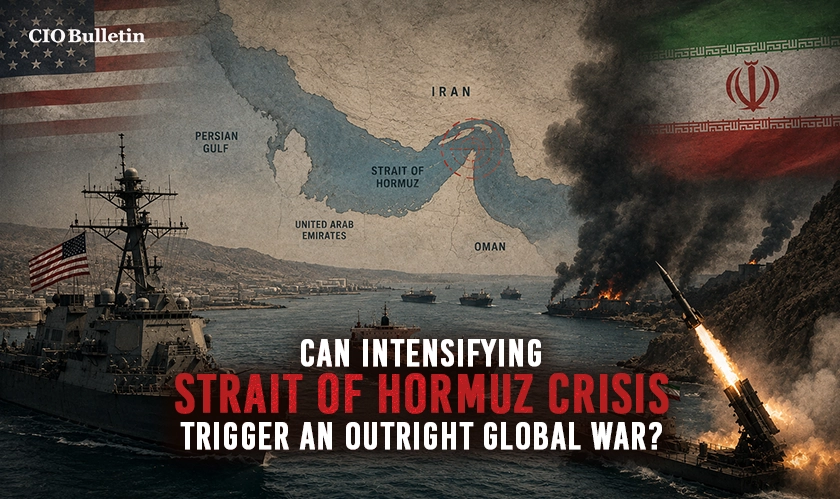
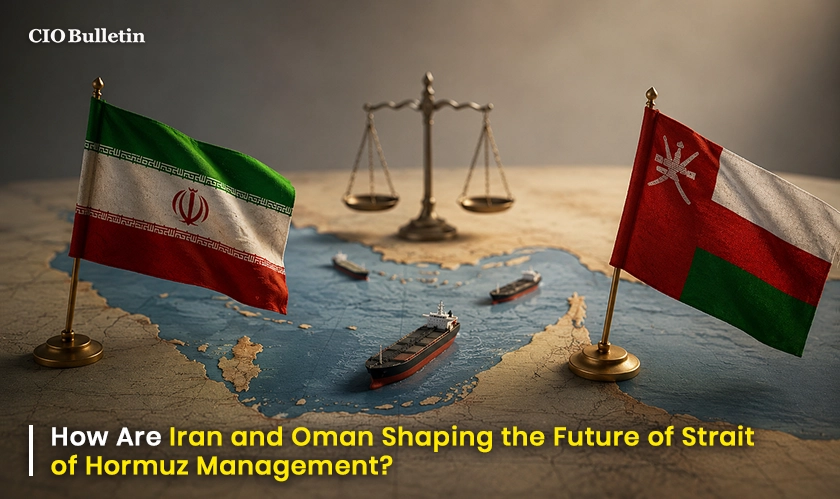
The fragile peace pact faces another severe roadblock regarding shipping management rights across the strategic Strait of Hormuz. Washington has firmly rejected foreign attempts to impose arbitrary transport levies on commercial vessels, declaring the vital passage an immutable international waterway. U.S. Secretary of State Marco Rubio emphasized that regional allies will be explicitly engaged before any permanent diplomatic steps are finalized.
“We're going to be completely aligned with our partners in the Gulf,” - Marco Rubio.
Strategic coordination has reached a fever pitch at the naval command center in Manama as officials analyze the sixty-day maritime standstill framework. The transitional pact aims to normalize volatile commercial container traffic while preventing bad actors from exploiting ambiguous boundary lines. However, internal political divisions within regional defense boards continue to complicate the deployment of unified maritime security arrays across shared territorial waters.
The sudden transition from active combat to structured technical negotiations has forced nearby sovereign states to rapidly re-evaluate their long-term geopolitical positioning. While international energy prices have rapidly receded to pre-conflict levels, the severe structural costs of rebuilding shattered infrastructure continue to strain national budgets. According to CIO Bulletin, this development highlights a profound transformation in cross-border defense dynamics, in which traditional Western security umbrellas must adapt to increasingly assertive regional coalition requirements.
Everything you need to know about this news
Gulf monarchies are skeptical; they worry that this agreement offers too many security concessions to Tehran. There is widespread concern that lifting economic restrictions will permanently shift the regional balance of power and compromise maritime trade routes.
Critics say the current framework completely ignores Tehran’s rapidly advancing ballistic missile programs. Also, it fails to set defensive assurances against tactical drone strikes, which have previously penetrated regional infrastructure.
The agreement has sparked intense debate over shipping management and foreign transport levies on commercial vessels. It is not exactly clear who pays and how enforcement works on a practical level.
Managed at the Fifth Fleet headquarters in Manama, this transitional pact is designed to stabilize volatile commercial container traffic. It establishes temporary naval guidelines to prevent hostile actors from exploiting ambiguous maritime boundaries during active negotiations.
The sudden move toward structured technical negotiations is forcing regional states to rethink their traditional security dependencies. Local coalitions are becoming far more assertive, requiring Western defense frameworks to adapt to localized strategic demands.














 consultants ltd.jpg)


Comments