
Home Industry Supply chain management FTL Freight Load Planning: Mat...
CIO Bulletin
,
01 October, 2026
Author:
Guest
Full truckload (FTL) shipping offers unmatched efficiency for large-volume freight, but success hinges on getting the

fundamentals right from the start. Many shippers focus solely on rates and availability, overlooking a critical factor that can make or break the entire shipment. Equipment selection, in particular, deserves careful attention before any booking takes place.
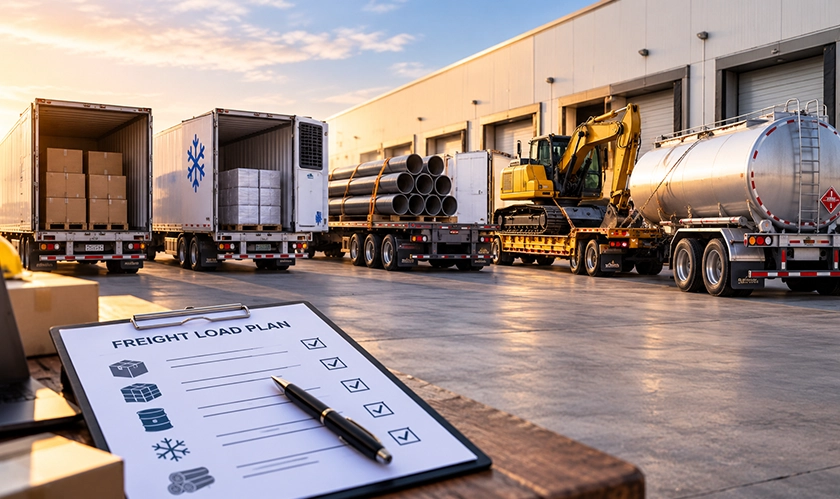
Getting a full truckload right begins with one practical choice: pairing the commodity with the correct trailer. Book through a dedicated option like igtfreight.com/services/full-truckload-shipping or work with any carrier network-the principle stays the same. Before placing the order, always remember that using the wrong equipment wastes capacity, increases costs, or creates compliance issues before the truck even leaves the yard. That’s why it’s so important to determine in advance what type of equipment you need to use.
As explained by Dashdoc, dense commodities like steel coils tend to "weigh out" a trailer before it ever fills up, while bulky, low-density goods like furniture "cube out" the available space long before hitting the weight limit. Matching equipment to commodity type is a balancing act between two very different physical constraints.
A standard 53-foot dry van can legally carry about 44,000-45,000 pounds of payload in most states. Its interior volume runs roughly 3,500-4,000 cubic feet. Heavy FTL freight hits the weight ceiling first and leaves empty space. Light, bulky freight fills every corner long before the scale approaches maximum. Planners who overlook density end up with underused trucks or the need for costly equipment swaps.
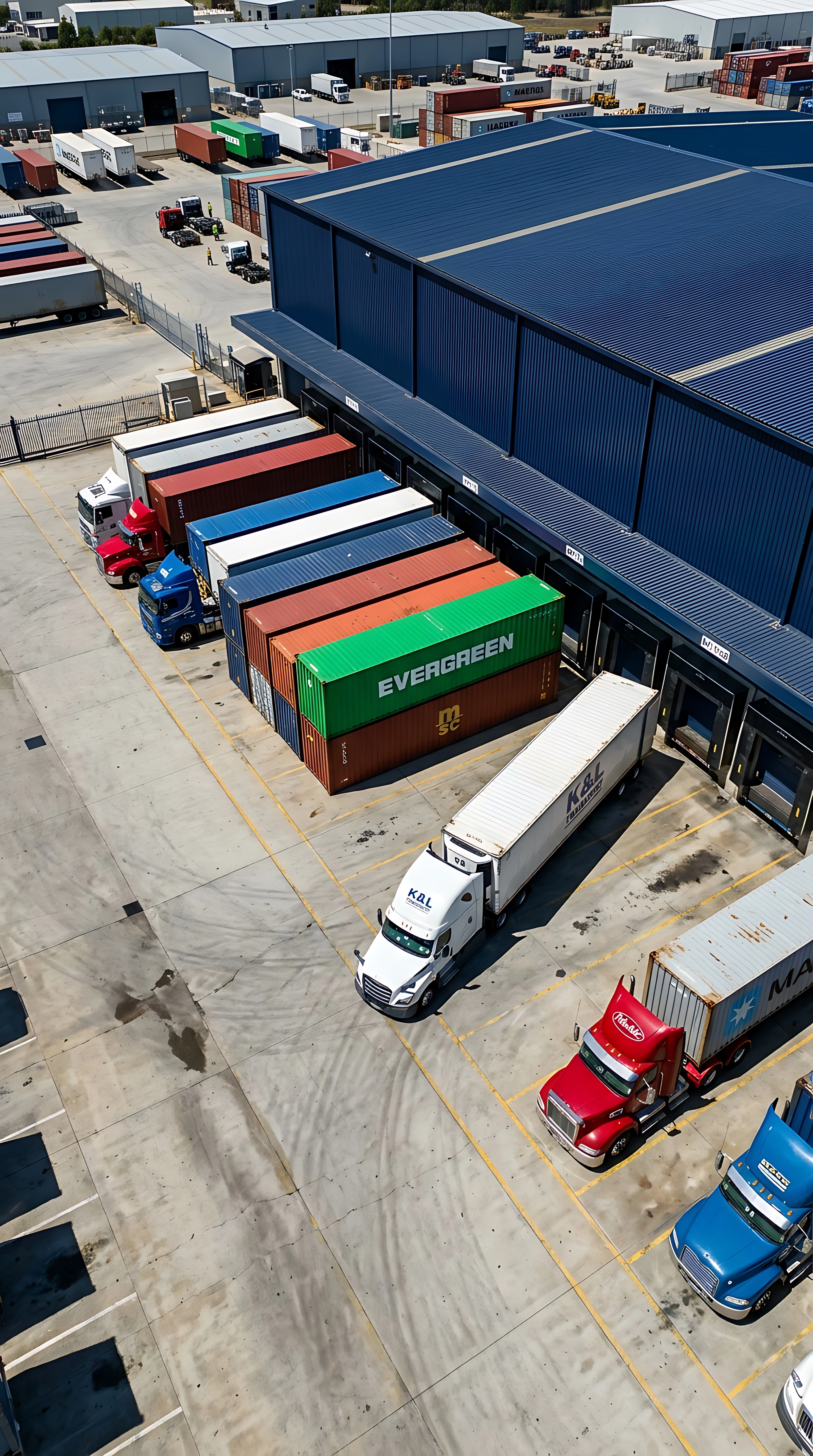
Palletized consumer goods, boxed retail merchandise, and most manufacturing components travel well in dry vans. These trailers protect cargo from weather and load through rear doors.
Temperature-controlled products-produce, dairy, pharmaceuticals-need reefers. A dry van cannot maintain the required conditions, so the match here is about continuous temperature control rather than pure volume or weight.
Construction materials, machinery, structural steel, and oversized pieces usually require flatbeds or step-decks. These open decks allow side or top loading and handle heights or widths that closed trailers cannot. Conestoga trailers add a sliding tarp system when weather protection is still needed without losing open-deck flexibility.
Start with exact dimensions, total weight, and density. Note any special handling needs-upright only, no stacking, coil racks, or specific securement.
Check the route for state size and weight rules. Confirm how the facility loads and unloads. Dock-door sites favor vans; ground-level crane work favors open decks.
When these details are clear early, carriers can assign the right equipment the first time. The result is better utilization, fewer claims, and more reliable transit. In full truckload freight, the trailer choice is not a minor detail. It is the foundation of an efficient move.



















































 consultants ltd.jpg)


Comments