
Home Industry Automobile Is the Future of the Nissan El...
CIO Bulletin
,
24 June, 2026
Author:
Gayathri Sr
A quiet corporate pivot leaves the automotive world wondering if the race to full electrification is losing its spark.
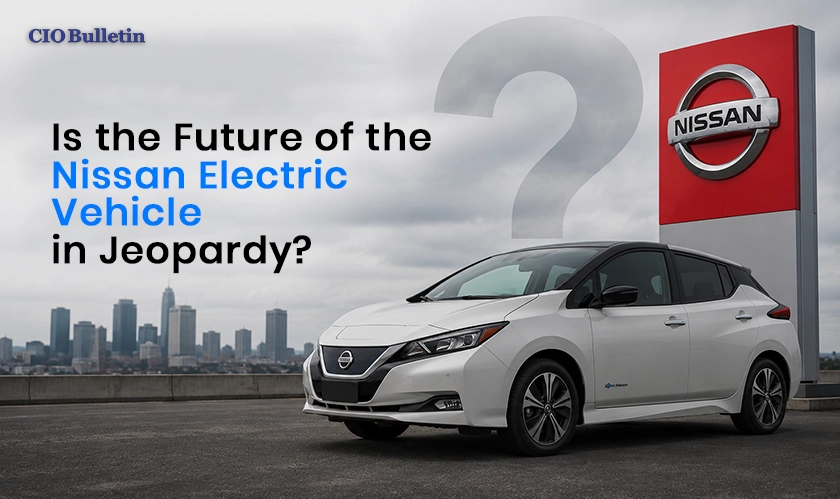
The global race to electrify the streets just hit an unexpected speed bump, leaving industry insiders questioning the timeline of the green revolution. In a quiet but massive shift that has sent ripples through the market, development on the highly anticipated fully electric version of Europe’s top-selling crossover has been abruptly shelved. According to an exclusive deep dive by CIO Bulletin, this sudden freeze on the next-generation Nissan electric vehicle highlights a dramatic strategic reassessment as traditional auto giants grapple with aggressive pricing wars and shifting consumer habits.
The decision marks a stark departure from the ambitious roadmap laid out just a few years ago. Originally celebrated by government officials as a monumental win for domestic manufacturing, the project is now parked indefinitely while resources are diverted to more immediate financial realities.
“The European market has experienced significant volatility in EV demand.” — Nissan Corporate Statement
This major development, highlighted in recent automotive industry news, reflects a broader trend of carmakers pacing themselves rather than rushing headfirst into an all-electric lineup. With affordable Chinese competitors flooding regional markets and consumer enthusiasm cooling down, automakers are realizing that a one-size-fits-all battery strategy might be too risky. Instead of forcing full electrification, the focus is rapidly shifting toward hybrid models that offer a safer financial bridge for both companies and consumers.
The fallout from this corporate freeze extends far beyond the drawing board. Supply chains are already feeling the pinch, with subsidiary battery and powertrain projects being dismantled or repurposed. Analysts at CIO Bulletin note that while this pullback protects short-term profit margins, it risks leaving traditional pioneers behind if the market suddenly accelerates again. For now, the factory floors are balancing volatile demand by keeping internal combustion and hybrid assembly lines humming.
Everything you need to know about this news
Yes, the automaker froze the electric version of its top-performing European crossover, a vehicle that drives nearly half of its entire regional sales volume.
It faces a major delay, as shelving this highly anticipated mass-market crossover means a replacement will likely not hit streets until the early 2030s.
To keep machines running and protect local jobs, the company is shifting production to hybrids and negotiating to let a Chinese competitor build cars on its lines.
High purchase prices and lack of charging infrastructure are driving consumers away from full battery cars and toward practical, familiar hybrid alternatives.
It is a coordinated global fallback, evidenced by the automaker also axing planned electric SUV lines at its Mississippi plant in the United States.



















































 consultants ltd.jpg)


Comments