
Home Industry Banking and finance How Fintech Infrastructure Sup...

CIO Bulletin
,
06 March, 2026
Author:
CIO Bulletin Team
Trading in financial derivatives has long been a core component of institutional portfolio management. What has changed in recent years is the technological infrastructure supporting these strategies. Modern fintech platforms now connect trading systems, analytics engines, and compliance frameworks, allowing institutions to manage complex market positions with far greater transparency and operational control. For banks, hedge funds, and global asset managers, this infrastructure is increasingly important when implementing strategies designed to manage risk, control income timing, and navigate complex tax environments across international portfolios.
Derivatives such as options, futures, swaps, and structured products play a central role in institutional investment strategies. They allow portfolio managers to hedge currency and interest rate exposure, adjust market positioning, or gain access to specific asset classes without directly holding the underlying securities.
Beyond market exposure, these financial instruments can also influence how income and gains are recognised within a portfolio. Institutions may use them to manage the timing of returns, align hedging activity with accounting treatment, or structure positions that reflect different tax classifications across jurisdictions. Used carefully, these instruments can support both risk management and portfolio efficiency.
As institutional trading strategies become more sophisticated, the operational infrastructure behind them has grown equally complex. Firms must coordinate activity across multiple markets, track exposures in real time, and maintain consistent records for regulatory and tax reporting.
Fintech infrastructure provides the digital backbone for these tasks. Modern platforms integrate market data feeds, trade execution systems, risk analytics, and reporting tools into a single operational environment. For CIOs and technology leaders, this integration is essential for maintaining both efficiency and oversight across capital markets operations.
A derivatives transaction does not end at execution. Contracts must be cleared, collateralised, settled, and continuously monitored throughout their lifecycle. Each stage generates operational data that must be recorded, reconciled, and reported.
Automated lifecycle management systems streamline these processes by tracking trades from execution through settlement. Portfolio managers and operations teams can monitor exposures, collateral requirements, and counterparty positions through centralised dashboards. This level of visibility reduces operational risk while improving the accuracy of internal reporting.
Data analytics has become a powerful tool for institutional investors managing complex trading portfolios. Real-time analytics platforms allow portfolio managers to evaluate potential strategies while considering market exposure, risk metrics, and tax implications simultaneously.
For example, a portfolio team may analyse how a hedge constructed with financial instruments could influence the timing of gains or losses across different jurisdictions. By integrating tax modelling directly into portfolio analytics, institutions can assess potential after-tax outcomes before executing trades. This approach allows decision-makers to balance performance objectives with regulatory and tax considerations.
In some markets, platforms that support leveraged financial products also monitor instruments used by traders, including spread betting structures that track the price movement of underlying assets. Although typically associated with retail trading environments, the pricing infrastructure and data feeds supporting these products often rely on similar market technology used across institutional trading systems.
Global markets involving derivatives are among the most heavily regulated areas of finance. Frameworks such as EMIR in Europe, MiFID II across the European Union, and the Dodd-Frank Act in the United States impose extensive reporting and transparency requirements.
Fintech infrastructure helps institutions meet these obligations through automated compliance workflows. Trade reporting systems, digital repositories, and reconciliation tools capture transaction data and generate the reports required by regulators. Automation reduces manual processing while helping firms maintain consistent and auditable records.
Global asset managers frequently operate across multiple financial jurisdictions. The tax treatment of financial trading instruments can vary significantly depending on where transactions are executed, cleared, or reported.
Fintech platforms help institutions model these scenarios by combining trading data with jurisdiction-specific tax rules. Portfolio teams can analyse how trading positions may be treated under different tax regimes and adjust their strategy accordingly. For organisations managing cross-border portfolios, these capabilities are becoming increasingly important.
Senior executives, risk teams, and compliance officers often require different perspectives on the same portfolio activity. Traditional reporting systems rarely provide a unified view, forcing institutions to reconcile information across multiple platforms.
Integrated fintech solutions address this challenge by consolidating trade data, analytics, and regulatory information within a single reporting framework. Executives can review portfolio exposure, compliance status, and financial performance through unified dashboards that support faster and more informed decision-making.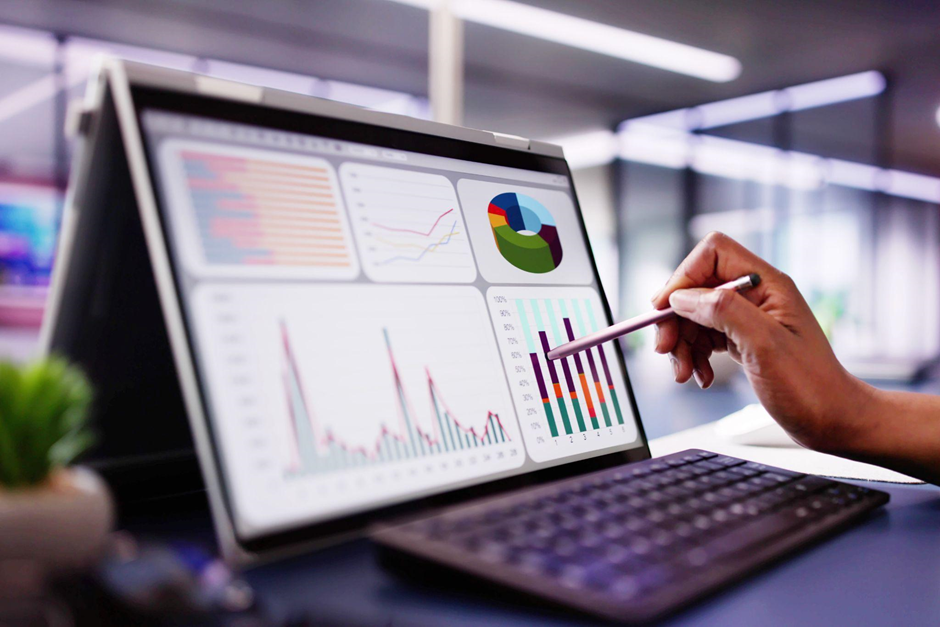
Complex financial trading historically relied on fragmented systems that handled execution, risk management, and reporting separately. As trading volumes increased and regulations expanded, this fragmented approach created operational inefficiencies.
Modern fintech platforms aim to solve this problem by connecting previously isolated systems through APIs and cloud-based infrastructure. Trading platforms, analytics tools, and compliance systems can now share data in real time, creating a more streamlined operating environment for financial institutions.
These integrated systems can also support precise instrument mapping across markets, ensuring that contracts, benchmarks, and trading products are aligned correctly within the platform. Technology that confirms the exact match between an executed contract and its underlying reference asset helps maintain accurate reporting and consistent portfolio analytics.
For CIOs and financial services executives, fintech infrastructure is no longer simply an operational necessity. It has become a strategic component of capital markets' competitiveness.
By integrating trading technology, analytics, regulatory reporting, and tax modelling within a unified platform, institutions can manage derivatives portfolios more effectively across global markets. This level of integration allows firms to respond more quickly to regulatory change, manage risk more transparently, and support more sophisticated investment strategies.
Derivatives remain essential tools for managing risk and portfolio exposure in modern financial markets. As strategies grow more complex and regulatory expectations expand, the technology infrastructure supporting these markets has become equally important. Fintech platforms now serve as the connective layer between trading desks, risk teams, compliance departments, and executive leadership. For financial institutions operating across global capital markets, this integrated infrastructure is increasingly central to both operational efficiency and strategic decision-making.



















































 consultants ltd.jpg)


