
Home Technology Big data Will Tech Giants Completely Br...
CIO Bulletin
,
13 July, 2026
Author:
Gayathri Sr
A bold new law forces massive infrastructure costs onto tech companies to protect everyday household budgets from skyrocketing.
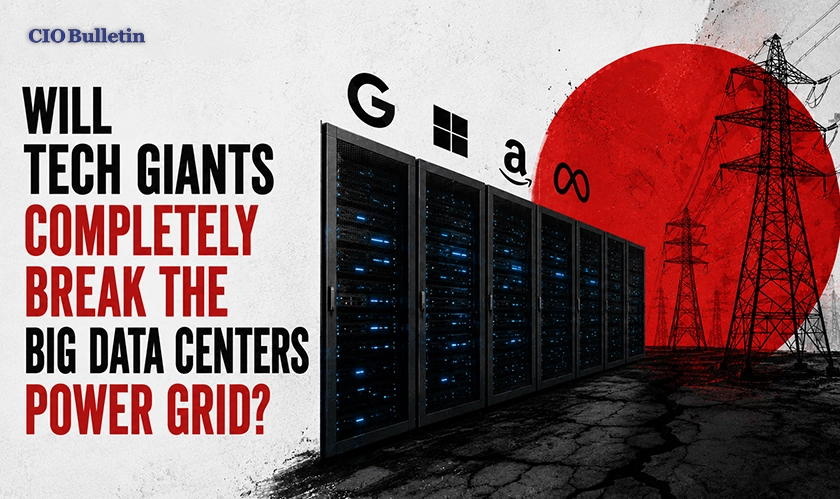
New Jersey has officially thrown down the gauntlet to big tech, permanently changing the game for how data centers power grid investments are funded. In a historic move, a newly signed state law mandates that massive artificial intelligence and data facilities must pick up the entire tab for their own colossal energy infrastructure, rather than letting those expenses quietly roll onto the monthly electricity bills of everyday residents.
As tracked closely by global business analysts at CIO Bulletin, the skyrocketing demand for AI development has sparked an absolute gold rush for physical server space. However, these digital warehouses draw an astronomical amount of electricity, often matching the power consumption of entire small cities. The state's aggressive shift ensures that when tech giants expand, the financial burden stays in corporate boardrooms instead of straining local household budgets.
“For too long, families have paid the price for poor oversight, outdated policies, and rising demand on our electric grid by unchecked actors,” stated Governor Mikie Sherrill during the bill's signing.
The new legislation shifts total financial accountability back to the developers. Under the direct oversight of state regulators, large facilities must now provide ironclad financial guarantees before breaking ground. If a massive tech project is suddenly canceled or scales down its energy needs, the local community remains perfectly shielded from any stranded utility liabilities.
With dozens of heavy processing sites already operating locally, experts note this policy creates a fascinating blueprint for other regions grappling with the true cost of the digital age. It establishes a clear boundary: innovation is welcome, but big tech must fund its own heavy machinery.
Everything you need to know about this news
Yes. Public utility commissions across the country are closely watching this framework as a potential legislative model to protect local consumers from skyrocketing corporate energy demands.
While it adds an upfront layer of financial risk for developers, true market demand for AI infrastructure remains high enough that well-funded tech giants will likely absorb the costs and continue building.
A single large-scale AI data campus can require as much electricity as tens of thousands of homes combined, making them the heaviest industrial power consumers on the modern market.
Under the new law, developers must post advanced financial assurances, ensuring that utility companies have secured cash reserves to cover grid upgrades even if the project folds.
While consumer subscription prices might subtly shift over time, the law prevents direct, unapproved hikes on the base electrical utility bills of regional residents.





















































 consultants ltd.jpg)


Comments