
Home Other Blogs Smart Water Management: Solvin...
CIO Bulletin
,
27 October, 2026
Author:
Ravathi Sunil
Smart water management is the answer to the urban water challenge. It involves putting real-time IoT sensors, AI-driven predictive analytics, and automated flow control right into the municipal water mains to eradicate catastrophic water loss, prevent infrastructure failure, and ensure that clean water is available to all in the city as it grows. With the pace of urbanization and the impact of climate change pushing our existing water networks to the very limit, the old way of doing things with manual monitoring is simply not viable anymore in terms of dealing with the hidden leaks, the sudden pressure surges, and the changing patterns of consumption. The modern digital solution provides continuous visibility and replaces the reactive fix it when it breaks' approach with a proactive one. Micro leaks can be detected in seconds, pipe pressures can be balanced in real time, and supply requirements can be forecasted accurately long before a shortage occurs. The result is a transformation of the fragile, invisible network of water mains below our cities into an intelligent, data-driven network. Billions of gallons of treated water are saved, enormous amounts of energy that would otherwise be consumed in pumping are reduced, and the city is guaranteed to be resilient in the face of extreme drought and other climate-induced stresses.
The Growing Strain on Aging Urban Infrastructures
In the rapidly expanding metropolitan areas of the world, the water networks that were designed decades ago are now falling to pieces under the pressure of modern-day population demands. In many of the major cities, up to 40% of the treated drinking water is simply lost altogether through cracked mains, failing joint seals, and all sorts of hidden fractures underground. That lost water is what is known in the water industry as non-revenue water, and it is a massive drain on the municipal budgets while at the same time rapidly depleting the surrounding reservoirs.
For years, the only way of detecting an underground leak was to wait for the water to actually come through the asphalt or for the residents to report a drop in pressure in the area. By the time a repair team got to the site, it was too late; millions of gallons of clean, good water had already been lost into the urban soil. The sheer amount of water lost was just one aspect of the problem; the manual monitoring approach makes it impossible to rapidly identify contamination events or to detect the slow degradation of a pump prior to a complete system meltdown.
Deploying Sensor Grids and Real-Time Intelligence
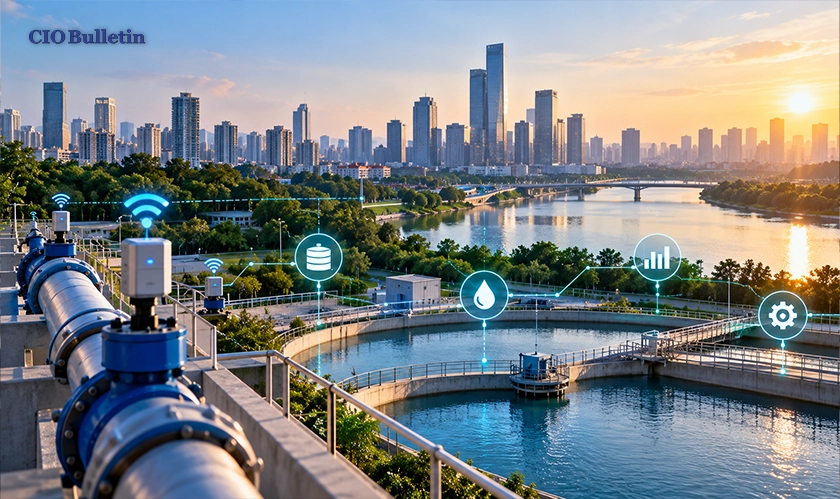
To stop this invisible drain, the local authorities are essentially going to re-engineer their underground pipe networks from a static pipe system to a connected digital system. They're going to install modern Smart water management systems, which will allow the operators to monitor water pressure, flow velocity, chemical content, and pipe wall acoustics in real time across thousands of miles of underground pipe.
The dense sensor networks produce a constant flow of operational data which is fed into the central cloud. ML algorithms are able to quickly establish the baseline usage of every city block. If a crack appears or there's an unexplained pressure drop at 3 am, it's instantly flagged, the affected pipe section is isolated via the automated shut-off valves, and the repair team is dispatched straight to the precise GPS location. The whole process moves the municipal maintenance from being a slow reactive 'firefighting' exercise to a very precise, surgical form of
Optimizing Operations with Digital Water Management
It's not just about finding the broken pipe, is it? Transforming utility infrastructure is about rethinking the entire municipal water cycle from end to end. A complete digital water management approach allows city engineers to build virtual computer models (digital twins) of the actual utility network down to the last valve and the last fitting.
Via the live digital twins, operators can run predictive scenarios to see what the impact of an extreme weather event, a seasonal shift, or an unforeseen population influx would be on system performance. If a heatwave, for instance, causes a sudden spike in cooling tower demand on one side of town, the automated pump systems will automatically modify the pressures across the adjacent zones to prevent pipe bursts as a result of the pressure spike. The system is also continuously monitoring the pH, turbidity, and residual chlorine to ensure that water quality is maintained to specification at every point from the treatment plant to the tap in the homes.
Building Resilience Through Sustainable Water Management
The end game with modernizing our urban utility infrastructure is not simply about operational efficiency. It's about ensuring long-term ecological sustainability for the generations to come. The way to achieve this is through the implementation of proactive, sustainable water management strategies that will allow the city to effectively integrate a range of water sources (harvested rainwater, recycled greywater, desalinated water, etc.) into one integrated supply network.
When urban utility people have AMI in place coupled with transparent customer dashboards, the consumer has a complete view of their own daily consumption. A running toilet or a leaky irrigation system will be obvious on the smartphone app, and that in itself will lead to more responsible consumption patterns and a huge reduction in residential demand. The city and the individual consumer are both accountable, and as such, the city can go on to conserve its aquifers, reduce its carbon footprint, and protect its water ecosystems from the increasing impact of climate change.
Ready to Lead the Conversation in Smart Water Management?
CIO Bulletin empowers your organization to gain the market visibility it deserves while staying at the forefront of digital utility innovations and urban infrastructure architectures reshaping global municipal sustainability. Share your leak detection and resource optimization insights with industry leaders, stay ahead of the digital water management curve, and turn your environmental engineering expertise into a defining industry milestone!
Subscribe Today for Exclusive Insights: https://ciobulletin.com/subscribe
Enhance Your Brand Presence: Advertise with us at
https://ciobulletin.com/advertise


















































 consultants ltd.jpg)


Comments