
Home Technology Ev and concept cars What Are the Benefits of Switc...
Ev And Concept Cars
CIO Bulletin
04 March, 2026
You usually notice it in the small moments first, like the calm pull away from a stoplight. The cabin stays quieter, and the drive feels less busy than expected. Even if you are not a car person, that calm is hard to miss.
After that, the questions get more practical, because curiosity turns into real math. People wonder if charging fits their week, and they also wonder if the costs behave. A low pressure way to learn is spending a few normal days in an EV, so habits form naturally. That is where Electric car hire from East Coast Car Rentals can sit in the mix, because it lets range and charging feel familiar.
The cost story gets simpler once you look at what is not there. EVs skip engine oil changes, and they also avoid many heat driven service items. Over time, that can mean fewer workshop visits and fewer surprise repairs. It is not magic, it is just fewer parts doing constant high temperature work.
Energy prices still move around, and electricity is not always cheap in every place. Even so, many owners end up with a steadier pattern than petrol swings. Home charging covers the daily drive, and public charging fills in the longer days. That mix can feel calmer than watching fuel prices bounce all month.
For businesses, downtime matters as much as dollars, and it often shows up in the calendar. When a vehicle spends less time in service bays, schedules are easier to protect. That helps with sales calls, site visits, and courier work that depends on timing. It also reduces the knock on effect of one delayed vehicle messing up a full day.
Tailpipe emissions disappear with an EV, and that changes the air right where people live. Busy streets, school zones, and loading areas see less exhaust hanging around. It is a quiet improvement, yet it shows up in daily comfort. For workplaces, it can also reduce idling concerns in tight carparks.
The bigger emissions picture depends on the grid, and that is worth saying out loud. The U.S. Environmental Protection Agency notes that EVs typically have a smaller carbon footprint than gasoline cars, even when electricity and manufacturing are counted. That is a useful baseline when a team needs facts, not opinions.
This is also why the benefit can grow over time, because grids keep changing. An EV bought today can get cleaner as more renewables enter the mix. A petrol car does not get that upside, because the tailpipe stays the same. So the long view tends to favor electrification when the power mix improves.
Most first time EV drivers mention how smooth the car feels in everyday traffic. Acceleration is steady, so merges feel more controlled and less frantic. Stop start driving can feel calmer, because the power delivery stays even. After a long day, that smoother feel can matter more than people expect.
Driver assistance features also show up in many EV models, and they help in small ways. The value is not flashy, it is the reduced strain during repetitive driving. It does not replace attention, and it should not change safe habits. Still, it can take the edge off when roads are crowded and time is tight.
If you follow clean tech trends, EVs fit into a broader shift toward tools that save energy without adding friction. Reading about eco friendly tech innovations can make that pattern easier to see. Convenience and sustainability often move together when the tech is ready. That context makes EV adoption feel less like a leap and more like a normal next step.
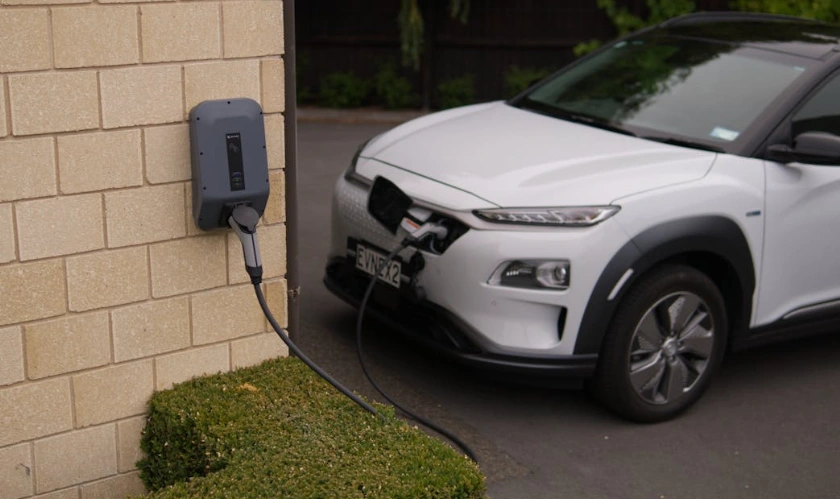
Charging creates the most anxiety at the start, and then it becomes routine for many drivers. Most charging happens at home, and it often feels like topping up a phone overnight. Workplace chargers can add flexibility, especially for longer shifts. Public chargers still matter, but they stop feeling like the main plan.
For fleets, charging becomes an operations question, because parking time is fuel time now. Route length, idle windows, and depot access shape what models make sense. That is why smaller pilots often work well, since habits form and data builds. When the rollout matches real use, range concerns tend to fade.
A simple way to think about charging options looks like this. Home or depot charging covers most daily use, and it keeps planning easy. Workplace charging helps when schedules stretch, and it reduces midday stress. Public fast charging then becomes the backup plan, not the whole routine.
Charging also connects to power planning, especially when more vehicles plug in at the same site. Some businesses pay attention to resilience, because reliability matters as loads rise. Reading about microgrids and increasing electricity demand helps explain why on site power and load management are getting more attention. It is less about buzz and more about keeping operations stable.
For a practical reference, the Alternative Fuels Data Center breaks down EV benefits and tradeoffs in plain language. It covers fuel savings, emissions, and maintenance differences without the marketing gloss. That can help teams compare options with a clearer head.
Battery health is the question behind many EV decisions, especially after the first year. Most batteries come with long warranties, and real world data keeps improving. Still, it helps to know what adds wear, because habits matter. Heat, frequent fast charging, and constant 100% charging can be harder on packs.
Resale value is also settling as the used EV market grows up. Buyers look for service history, battery warranty status, and clean software update records. Those details signal lower risk, which helps pricing hold. Newer models can still shift older prices, because range and charging speeds keep improving.
End of life planning is not a daily thought, but it matters for honest sustainability claims. Many EV batteries can serve a second life in stationary storage before recycling. Recycling capacity is expanding, and policies are pushing that growth in many regions. When you frame EVs as long term assets, reuse and recycling belong in the same discussion.
The benefits tend to show up in cost, comfort, and air quality, and they build over time. Running costs can feel steadier, and maintenance can be simpler, so planning gets easier. Driving often feels calmer, and that matters when your week is already packed. Charging takes a little habit building, yet it often becomes normal faster than expected.
If you are weighing the switch, it helps to focus on your real routes and your real parking time. When the charging rhythm fits your week, the rest usually follows. Then an EV feels less like a statement and more like a practical choice. That is usually when the decision stops feeling heavy.

Insurance and capital markets




















 consultants ltd.jpg)


