
Home Industry Food and beverage CIO Bulletin Explores How Icon...
CIO Bulletin
,
08 October, 2026
Author:
Ravathi Sunil
Fast food is no longer just about quick service or affordable meals; it has transformed into a universal language of modern pop culture. In a detailed analysis by CIO Bulletin, business strategists examine how fast food companies turned basic eating concepts into worldwide phenomena through efficient logistics systems, culturally adapted menus, and easily recognizable brands. With the help of all these components, fast food businesses have expanded beyond the sphere of restaurants and now adorn streetwear, advertisements on social networks, and even serve as well-known landmarks of neighborhoods around the world.
This globalization phenomenon cannot be seen from the fast food drive-thru window anymore. The emergence of these global dining behemoths shows the lessons in enterprise scalability and longevity in marketing. Whether providing localized menus in Tokyo or preserving the identical taste of products worldwide within North American territories, they show how these two traits can work together. Let us analyze the main players of the global dining world below.
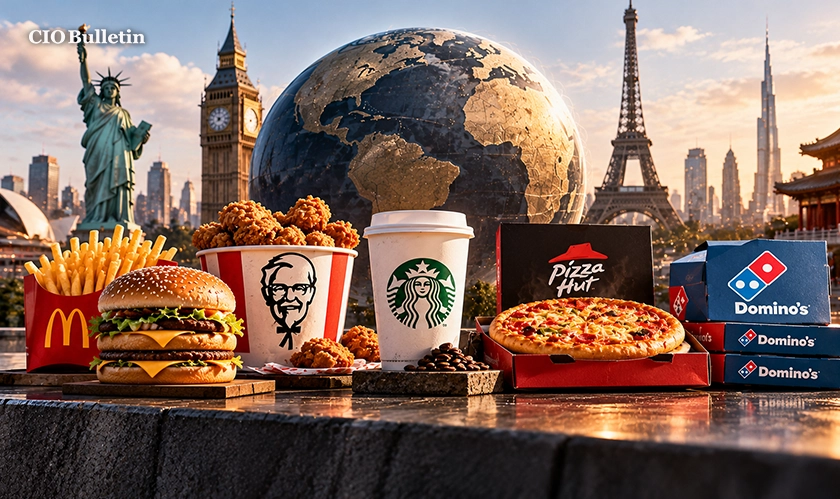
Top Five Fast Food Brands That Became Global Cultural Icons
McDonald's stands as the undisputed archetype. In addition to the popularity of its kitchen assembly line, the golden arches now represent the global benchmark of finance and culture. McDonald’s was the first company to implement the practice of menu localization, offering McSpicy Paneer in India, Teriyaki Burger in Japan, and Stroopwafel McFlurry in the Netherlands while maintaining the same beloved menu items globally. The company effortlessly blends in with modern trends of fashion and music by appearing in lyrics and introducing exclusive celebrity meals.
KFC transformed a Southern dish into an international phenomenon. KFC found success on a worldwide level due to its ability to localize itself in markets from early on. One example of this localization can be seen in Japan, where eating KFC on Christmas Eve is an esteemed tradition. By establishing deep roots across Asia, Europe, and Africa, the brand proved that fried chicken could transcend cultural boundaries, solidifying its place among the top fast food brands in history.
Whereas cafes have been around for many years prior to the emergence of the Starbucks brand, this chain from Seattle has changed the way people consume coffee and make use of public space all over the world. With the help of branding their places as the perfect "third place," which comes right after home and work, Starbucks has turned regular coffee habits into a lifestyle choice. The special seasonal products, personalized drinks, and green siren logo of the brand made specialty coffee available to everyone.
Pizza Hut took an everyday Italian-American meal and turned it into an easygoing dining experience on a global level. In North America, Pizza Hut cemented its place in history by offering red roof sit-down restaurants, Tiffany lights, and the famous “Read and Get Pizza” program. Globally, especially in China, Pizza Hut is perceived as a higher-end casual dining experience for celebrations. This dual identity, nostalgic comfort food in the West and upscale family gathering spot in Asia, demonstrates the remarkable flexibility of the best fast food concepts.
Domino's Pizza went from being a struggling pizza company to becoming a tech giant that just happens to serve pizza. By stressing order tracking, application personalization, and delivery logistics, Domino's raised the bar for operational efficiency in the digital age. The pizza company's dedication to customer experience ensured that getting pizza was as easy as calling an Uber. In the landscape of fast food brands in 2026, Domino's serves as the ultimate case study in how technological adaptation can elevate a traditional brand into a daily habit for millions of consumers.
Key Drivers Behind Their Global Success
Cultural Adaptation: Effective global chains adapt their menu by up to 30% to cater to regional taste preferences, religion, and flavors.
Technological Support: Mobile ordering systems, automated kitchens, and artificial intelligence-driven drive-thrus guarantee quick delivery and customer retention.
Competence in Franchising: Playbooks in terms of operations allow for the maintenance of quality while dealing with regional economics.
Adapting to Shifting Consumer Demands
The most prominent dining icons must adapt continuously to the ever-changing demands of consumers. Contemporary consumers give priority to healthy food, sustainable packaging, and responsible sources above everything else, over pure convenience. Inflation demands that companies find an equilibrium between offering value and upgrading the experience at the same time.
Integration with technology is the way to compete in today's business. Mobile loyalty applications, self-service terminals, and automatic delivery dispatch software are not merely convenient extras anymore; they are integral elements of today's restaurant business model. Companies that manage to integrate their brand heritage with technology-driven convenience will continue to be cultural giants in the future.
Strategic Insights on Modern Enterprise Adaptation
In order to survive the cutthroat environment of the international marketplace, it is vital for companies to have a dedication to flexibility and engagement. According to CIO Bulletin’s constant discussion of market leadership, the key to success is a company’s capability to adapt its essential products while remaining true to the authentic brand name. Through operational disruption seen as an innovative approach, modern companies can turn ordinary products into historic ones.
Everything you need to know about this news
They rely on strict franchise guidelines, centralized supply chain networks, and standardized operational training to ensure quality remains identical across all locations.
Adapting menus allows brands to respect local dietary restrictions, cater to regional taste preferences, and source ingredients locally to reduce shipping costs.
Technology drives efficiency through mobile app ordering, automated kitchen workflows, predictive inventory management, and personalized customer loyalty programs.
Brands sustain relevance through targeted pop culture collaborations, modern digital marketing, menu innovations, and updated store designs tailored to younger demographics.
Navigating shifting supply chain costs, rising labor expenses, changing consumer health trends, and integrating sustainable packaging solutions remain primary operational priorities.











































 consultants ltd.jpg)


Comments