
Home Industry Healthcare Can Stricter Regulations Curb ...
CIO Bulletin
,
31 October, 2026
Author:
Sambhrant Das
A Victorian coroner confirmed actor Richard Norton died from an anaphylactic reaction to unapproved peptide injections, prompting calls for tighter wellness regulations
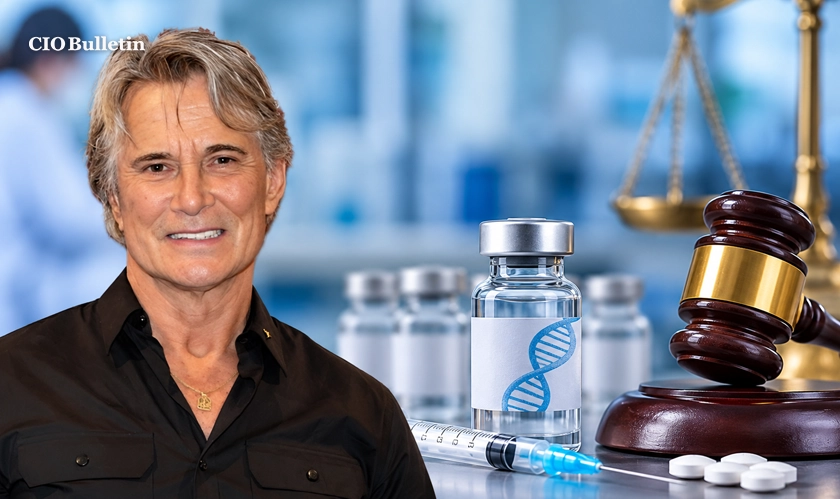
An official investigation into the sudden passing of Australian actor and martial arts veteran Richard Norton revealed that his death was directly triggered by unapproved peptide injections. A coroner's report from Victoria established that the 75-year-old stunt coordinator died from a fatal cardiac arrest caused by an anaphylactic reaction to experimental substances. Having asked for treatment in order to alleviate physical fatigue, muscle loss, and shoulder pain, Norton was prescribed CJC-1295 and Ipamorelin; medical examinations showed that he had administered doses that surpassed the prescribed amounts. The debates concerning the use of Richard Norton peptides point to the increasing risks associated with unregulated anti-aging compounds.
Healthcare regulators emphasize that unapproved growth hormone secretagogues pose severe health threats when obtained without adequate clinical safety validation:
The coroner's report pointed out that the doctor had not kept proper clinical records and had not given sufficient warning about the use of uncertified substances.
When giving the official court decision, Victorian Coroner David Ryan said, "The injection triggered an anaphylactic reaction, which then resulted in cardiac arrest."
The inquiry found that although the practitioner was required to undergo mandatory administrative retraining, general public warnings were needed in order to avoid further tragedies affecting people who were looking for experimental wellness treatments.
The tragedy has led medical boards and therapeutic goods authorities to increase their oversight of off-label hormone treatments. Even though marketers assert that such treatments promote physical recovery and delay aging, health experts continue to stress that unapproved synthetic peptides have not undergone thorough safety testing.
The authorities are advising consumers not to obtain unverified peptide formulations from online vendors or from specialized compounding facilities. Clinical experts call for the strict enforcement of prescription protocols in private wellness clinics that offer experimental treatments.
The need for more rigorous regulatory enforcement and for transparent medical supervision of experimental treatments must be stressed if consumer safety is to be guaranteed in light of the growing wellness markets. According to CIO Bulletin, this situation is a clear indication of how urgently comprehensive regulatory safeguards are needed with respect to unauthorized health products.
Everything you need to know about this news
The official inquiry into the case concluded that Richard Norton had died of a cardiac arrest resulting from a severe anaphylactic reaction following the injection of unauthorised peptides.
The coroner found that CJC-1295 and Ipamorelin were synthetic growth hormone secretagogues which had not been approved for use as a therapeutic agent in humans in Australia.
Norton got treatment in order to deal with the chronic shoulder pain, physical fatigue, and loss of muscle caused by aging and from decades of doing intense stunt work.
The Victorian coroner expressed criticism of the practitioner's brief clinical notes and the absence of safety evidence, which in turn led the Medical Board to require mandatory training in clinical record-keeping.
Major health agencies, such as the TGA and the FDA, have not given approval for CJC-1295 or Ipamorelin to be used for general anti-aging or for the purpose of improving fitness because their safety records have not been verified.




















































 consultants ltd.jpg)


Comments