
Home Industry Healthcare How Governance Gaps in Long-Te...
Healthcare
CIO Bulletin,
10 June, 2026
Author:
Guest
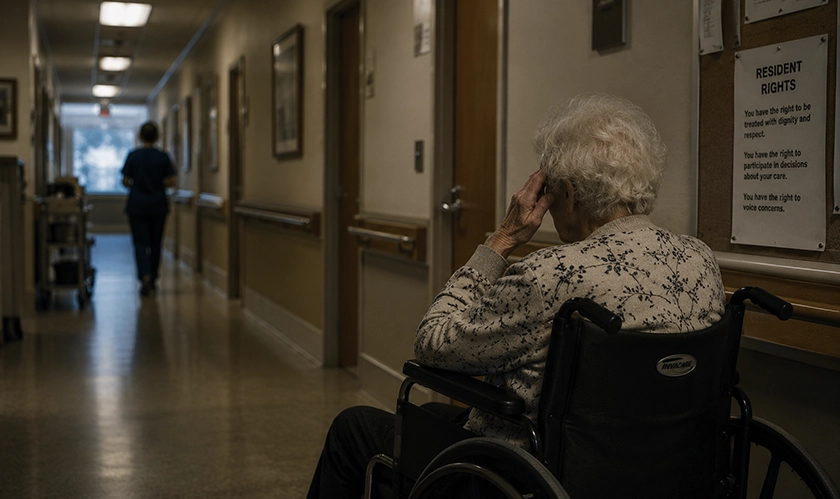
Long-term care facilities serve some of the most vulnerable people in the healthcare system. Many residents rely on staff for medication, mobility, hygiene, nutrition, wound care, and communication with family members. When those responsibilities are managed carefully, a facility can provide stability, dignity, and daily support. When oversight breaks down, small failures can lead to serious harm.
Governance in long-term care refers to the systems that guide how a facility is managed. It includes leadership decisions, staffing policies, compliance procedures, reporting channels, documentation standards, training programs, and accountability measures. These systems shape the quality of care residents receive each day.
The risk to residents grows when facilities treat governance as paperwork instead of a daily safety function. A written policy means little if staff are not trained to follow it, supervisors do not enforce it, and leadership does not review whether it is working. In nursing homes, poor governance can contribute to neglect, preventable injuries, emotional abuse, medication mistakes, delayed medical attention, and unsafe living conditions.
Resident safety depends on a culture where concerns are reported, records are accurate, staffing is realistic, and leaders respond quickly when problems appear. Without that structure, families may struggle to know whether a loved one’s decline is caused by age, illness, or preventable mistreatment.
Governance failures often appear gradually. A facility may begin with staffing shortages, rushed documentation, or inconsistent supervision. Over time, these gaps can affect nearly every part of resident care. Missed repositioning can lead to bedsores. Poor hydration tracking can lead to dehydration. Inadequate medication review can cause dosage errors. A lack of supervision can allow abusive behavior to continue.
Families may notice warning signs before they understand the cause. These signs can include unexplained bruises, sudden weight loss, poor hygiene, emotional withdrawal, fear around certain staff members, untreated infections, frequent falls, or repeated excuses from the facility. Aging and illness can explain some changes, but repeated patterns should raise concern.
When warning signs suggest abuse, neglect, or unsafe care, families often need clear information about resident rights, documentation, and legal accountability from resources such as Nursing Home Law Center. Understanding these issues can help families recognize what may be happening and why careful records matter when a facility’s conduct is questioned.
Poor oversight also affects staff. Caregivers working without adequate support may face impossible workloads. When there are too few employees for too many residents, essential tasks can be missed even by well-intentioned staff. The risk grows when management fails to adjust schedules, review complaints, monitor care plans, or investigate repeated incidents.
A safe facility needs leaders who understand risk, track performance, and correct problems before residents suffer harm.
Staffing is one of the clearest examples of how governance affects resident safety. Long-term care requires constant attention. Residents may need help eating, bathing, dressing, transferring, taking medication, and moving safely through the facility. When staffing levels are too low, care becomes reactive. Employees respond to emergencies instead of preventing them.
Understaffing can increase the risk of neglect. A resident may wait too long for help using the bathroom, which can lead to falls or humiliation. Another resident may miss meals or medication because staff are stretched too thin. A resident with limited mobility may not be repositioned often enough, increasing the risk of pressure injuries. When these problems happen repeatedly, they may reflect a management failure rather than isolated mistakes.
Training is equally important. Staff must understand how to recognize signs of abuse, respond to dementia-related behavior, prevent falls, manage infection risks, document changes in condition, and escalate medical concerns. Without proper training, employees may miss early symptoms of decline or fail to report suspicious injuries.
Documentation failures can make unsafe care harder to detect. Accurate records should show medication schedules, wound care, nutrition, hydration, falls, behavioral changes, complaints, and family communication. When records are incomplete or inconsistent, families and regulators may struggle to determine what happened. Poor documentation can also hide recurring problems inside the facility.
Leaders should review these records regularly. One fall may be an accident. Several falls involving the same resident, hallway, or shift may point to a larger safety issue. Repeated weight loss, infections, or injuries should trigger review and action.
Long-term care facilities operate in a regulated environment because residents often cannot fully protect themselves. Rules exist to support safe care, protect dignity, and establish minimum standards for operations. Yet compliance loses value when it is treated as a checklist completed only during inspections.
Effective compliance should be built into daily routines. Staff should understand why a rule exists, how it protects residents, and what to do when a standard cannot be met. Supervisors should audit care practices, not simply review forms. Administrators should look for patterns in complaints, injuries, medication issues, and staff turnover.
Federal and state oversight help establish expectations for nursing home safety. Standards tied to federal quality and safety oversight create a framework for inspections, enforcement, and corrective action.
Regulation cannot protect residents if facility leadership ignores daily risks. A nursing home may have written policies that meet formal requirements while still failing residents in practice. A care plan may look complete on paper, while the resident does not receive the assistance described in that plan. A complaint process may exist, while families feel ignored when they raise concerns.
Compliance should function as an active management tool. Leaders should use it to identify weak points, measure staff performance, improve training, and prevent repeated harm. When compliance becomes a paperwork exercise, residents lose one of the strongest protections available to them.
Leadership shapes the culture of a long-term care facility. Administrators, executives, directors of nursing, compliance officers, and department managers influence how staff respond to risk. Their decisions affect staffing levels, training budgets, reporting procedures, disciplinary action, and the way complaints are handled.
A facility with strong leadership encourages reporting. Staff should feel able to raise concerns without fear of retaliation. Families should receive timely responses when they ask about injuries, changes in behavior, missing belongings, or medical concerns. Residents should be treated as people with rights, not as tasks on a schedule.
Weak leadership creates the opposite environment. Employees may avoid reporting problems because they believe nothing will change. Families may receive vague explanations. Staff may learn that speed matters more than careful care. Complaints may be treated as reputation threats instead of safety signals.
Accountability also requires clear responsibility. When something goes wrong, leadership should be able to identify who was responsible for care, what policies applied, what records exist, and what corrective action followed. Without clear responsibility, incidents can disappear into confusion. This is especially dangerous in facilities with high staff turnover, frequent agency staffing, or poor communication between shifts.
Governance also involves financial decisions. Budget pressure can affect staffing, supplies, maintenance, food quality, infection control, and training. While every healthcare organization faces cost constraints, resident safety cannot be treated as optional. Leaders who reduce staff or delay improvements without assessing safety consequences may create conditions where neglect becomes more likely.
Nursing home abuse and neglect are not always obvious. Some residents may be unable to explain what happened because of dementia, illness, fear, communication barriers, or dependence on staff. Others may worry that speaking up will make their care worse. Families may also hesitate to question a facility without clear proof.
Patterns matter. One missed call may not mean abuse. Repeated silence from staff, unexplained injuries, emotional changes, poor hygiene, or sudden medical decline may signal a deeper problem. Families should pay attention to changes in mood, appearance, mobility, appetite, and willingness to speak openly.
Abuse can take many forms. It may involve physical harm, emotional intimidation, financial exploitation, sexual abuse, neglect, or failure to provide necessary care. Neglect may be especially difficult to detect because it can look like gradual decline. A resident who loses weight, develops bedsores, becomes withdrawn, or suffers repeated infections may be experiencing care failures that require investigation.
Public awareness matters because nursing home abuse is more common than many families realize. When families understand that mistreatment can occur even in licensed facilities, they are more likely to ask questions, document concerns, and push for clear answers.
Facility governance should support family involvement. Families are often the first to notice subtle changes. A strong facility treats those observations as valuable information. A weak facility may dismiss them, delay responses, or provide inconsistent explanations.
Safer long-term care begins with the recognition that resident harm is often connected to systems. Individual misconduct should be addressed, but leadership must also examine how the problem was able to happen. Staffing, complaints, records, supervision, training, and reporting procedures all deserve review when residents are harmed.
Facilities can reduce risk by strengthening everyday governance practices. This includes maintaining appropriate staffing levels, improving shift handoffs, auditing documentation, reviewing incident patterns, responding quickly to family concerns, and making sure residents have safe ways to report mistreatment. Leadership should also evaluate whether policies are being followed in practice.
Training should be ongoing. Staff need regular instruction on resident rights, dementia care, fall prevention, infection control, abuse reporting, medication safety, and communication with families. New employees should not be placed in high-risk care situations without proper supervision. Experienced employees should be encouraged to report concerns early.
Transparency is also essential. Families should receive clear information about care plans, injuries, hospital transfers, medication changes, and complaints. When a facility avoids questions or gives conflicting answers, trust breaks down and residents may remain at risk.
Long-term care facilities carry a serious responsibility. Residents deserve safety, dignity, and attentive care. Families deserve honest communication. Staff deserve the support needed to do their jobs properly. Strong governance brings these priorities together by turning policies into daily practice.
When governance fails, residents can suffer in ways that are preventable. When it works, risks are identified earlier, concerns are handled faster, and care becomes safer for the people who depend on it most.






















 consultants ltd.jpg)


