
Home Industry Healthcare How to Find the Perfect Power ...

CIO Bulletin
,
30 October, 2026
Author:
Guest
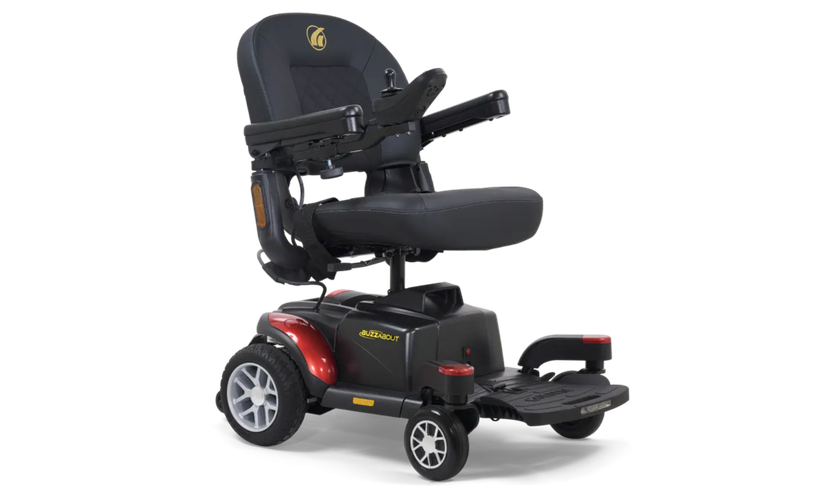
Choosing a power wheelchair can feel overwhelming when you have so many options to compare. You may need a chair for moving around your home, visiting friends, shopping, or enjoying time outdoors. At the same time, you want to feel comfortable, stay safe, and avoid spending money on features you rarely use.
The right choice depends on your daily routine, physical needs, and travel plans. A chair that works well in a small apartment may not suit someone who spends hours outdoors. Therefore, it helps to compare your needs before making a decision.
That said, let's explore five key factors to help you choose a power wheelchair that fits your lifestyle, budget, and mobility goals.
Start by thinking about how you will use your power wheelchair. Will you use it at home, visit nearby shops, or travel to new places? Your daily routine will help you choose the right model and avoid paying for features you do not need.
For example, if you spend most of your day indoors, select a chair that can easily rotate and pass through small doorways. But in case you like outdoor trips, find a model with a good battery range, stable wheels, and enough power for paths you use.
Next, think about how long you will sit in a chair each day. When you sit for several hours a day, it is important to have a comfortable seat and back support. Easy-to-use controls are also helpful. A light and compact model would be more suitable for short trips.
Also, consider your daily tasks. You may have to move in and out of rooms, reach kitchen counters, or shop in busy stores. Make a list of the places you visit and the tasks you do most often. This will enable you to concentrate on features that simplify daily life.
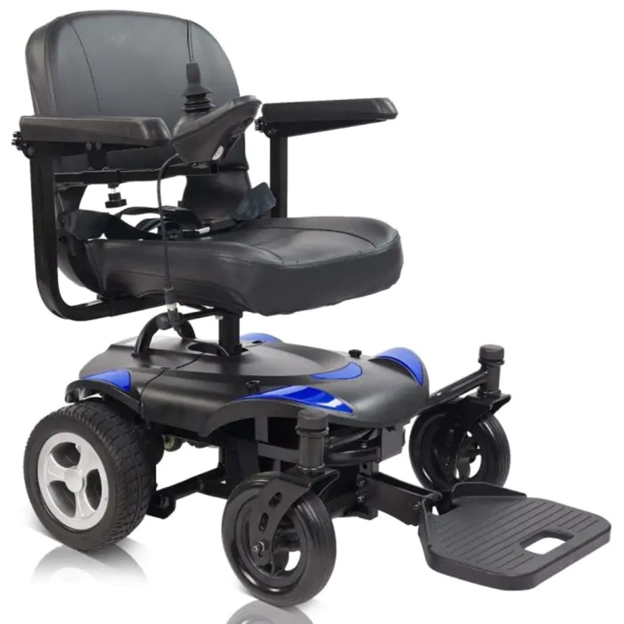
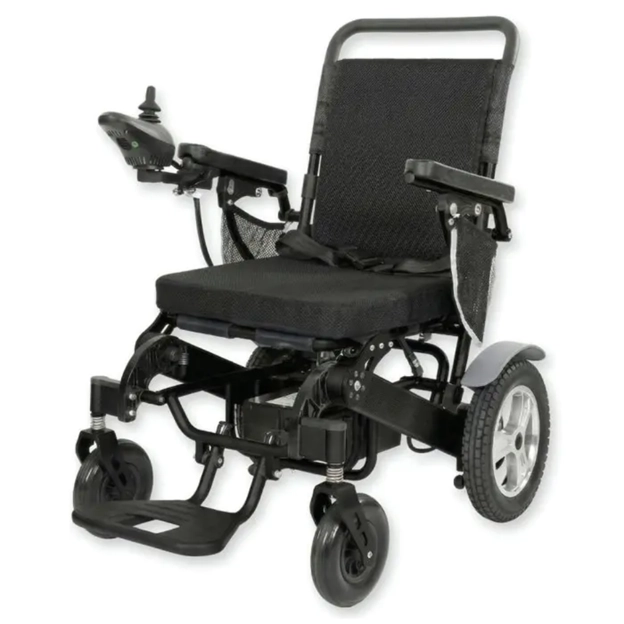
Power wheelchairs come in several types. These are standard, folding, travel, and heavy-duty. Each type has its own benefits. So, think about where you will use your chair and how often you will need to move it.
A folding or travel model may suit you if you often visit your family or take trips by car. These chairs fold or split into smaller parts for easier storage. However, smaller models can have a short battery range or fewer comfort features than larger chairs.
Standard power wheelchairs can have more seat choices and options that can be used every day. It can be a good choice if you spend many hours in your chair. However, there are models that are bulky and might need a ramp, lift, or carrier to travel by car.
Heavy-duty chairs may suit people requiring a heavier weight capacity or a wider seat. Some also have stronger motors for use on suitable outdoor paths. Still, check the size, weight, and features of each model before you decide.
Also, consider air travel. If you plan to fly, check the airline's rules for wheelchair batteries and check the chair's weight and folded size. This information can help you make trips without worrying.
When you use a wheelchair daily, comfort is important. A chair may be fine initially but can cause pain after a few hours. So, check the seat, back support, armrests, and footrests before you buy.
First, look at the seat width and depth. The seat must provide a space where you can sit comfortably and reach the controls. An excessively narrow seat can cause pressure. One that is too wide may make it harder to sit in the right position.
Next, check the armrests and footrests. They should help in a relaxed sitting position and help you get in and out of the chair when it is safe to do so. If you need extra support, ask a health or seating expert to assess your needs.
The weight limit is just as important. Choose a chair that can safely support your weight and any items you carry. Going over the limit can affect the chair's safety and performance. It can also cause damage in the long run.
Lastly, measure your house before you purchase. Check doorways, halls, bathroom entrances, and storage areas. Ensure that the chair is able to move through these areas and turn where needed. Early steps will help you avoid poor fit.
The battery range affects how far you can travel before you need to charge the chair. In case you use it mostly at home, a small range can be enough. However, when you visit stores or events, you might need a chair that can travel farther.
Start by working out how far you travel on a normal day. Then, compare that distance with the range listed for each model. Keep in mind that the real battery range can vary. It can be influenced by your weight, the ground, battery age, and driving habits. Choosing some extra range can help you avoid running low on power during a trip.
Next, check the controls. Most power wheelchairs use a joystick to steer and set the speed. The controls should be easy to reach and use. If you have limited hand strength or movement, ask a seating expert about options that may suit you better.
Turning ability also matters. A chair that has a tight turning radius is easier to move through small rooms, halls, and crowded shops. A different design may be required when used outdoors.
Price is important, but the cheapest chair may not be the best choice. Look at its safety features, care needs, warranty, and repair options. These details can help you understand the full cost over time.
Start with safety. Check the brakes, stability, and surfaces the chair can handle. If you plan to use it outdoors, choose a model suited to your usual paths. Do not assume every power wheelchair can handle steep slopes, loose gravel, or rough ground.
Next, check the battery and charging needs. Find out how long it takes to charge and whether you can get a replacement battery. Follow the maker's care and charging advice. This can help keep the chair in good working order.
The warranty also deserves a close look. Check how long it lasts and which parts it covers. Find out whether repairs and labor are included. It is also wise to ask about service options and replacement parts before you buy.
Finding the right power wheelchair starts with your daily needs. Think about where you will use it, how far you travel, and how much support you need. Then, compare comfort, size, battery range, and ease of use.
Before you buy, check the safety features, warranty, and full cost. Take your time and compare models based on your needs, not just their price. The right chair should fit your body, work in your usual spaces, and help you move through daily life with greater ease.





















































 consultants ltd.jpg)


Comments