
Home Industry HRTech Best Ways to Track Employee Go...
HRTech
CIO Bulletin,
04 February, 2026
Author:
CIO Bulletin Team
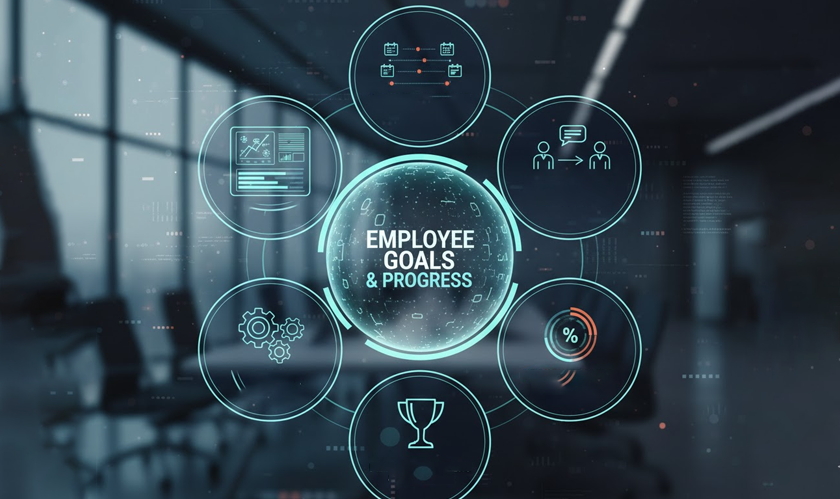
Tracking goals for employees and measuring progress is an essential aspect of boosting productivity. This drives performance across teams with clear expectations and consistent evaluation methods. Structured approaches add transparency and accountability to everyday tasks, benefiting companies as well.
Choosing the appropriate indicators to measure performance is critical. PerformYard makes it easier to track both quantitative metrics, like sales numbers or completed projects, and qualitative measures, such as the quality of feedback or customer satisfaction, offering a more in-depth understanding of effectiveness. Balanced measurement also encourages balanced improvement across role aspects.
Having supervisors and staff meet regularly provides ample opportunities to review progress. Regularly scheduled check-ins enable you to give them timely feedback and the opportunity to make adjustments. Such sessions keep the employees connected to their goals, ensure problems are dealt with, and bring little victories to celebrate.
Technology makes it easier to keep track of accomplishments. Collective results can be tracked through shared dashboards, increasing visibility. These help decrease administrative burden and increase efficiency levels.
If your assignment is large, break it down into smaller components so that you can stay focused. Attainable milestones help experience accomplishment and maintain motivation. By reviewing progress at each stage, employees can nip potential setbacks in the bud. Consistently accomplishing these objectives boosts confidence and facilitates gradual progress towards end goals.
Giving staff the right to determine where they stand can filter deeper insights. Reflection enables people to see the strengths they possess while identifying areas to grow. Self-assessment moves from optics to accountability and ownership of outcomes. Employees who claim ownership of their career progression are more likely to strive towards excellence.
Having comprehensive records of successes and challenges provides useful context for planning for the next time. By documenting all notes, managers will be able to identify trends, spot repeated roadblocks, and adjust tactics promptly.
Employee targets have to align with higher level of organizational objectives. When everyone contributes to something bigger, we all get to move together. Aligning everyone on the same page gives a higher purpose and consolidation to the team.
Why this works: co-workers can be motivated by sharing their own progress and by helping each other. Peer discussions are a great way to get honest feedback from others and also a healthy competition. Setting goals together promotes accountability, as you take ownership of the results, and you are all in it together. The sense of community it gives can make all the difference in keeping you from getting discouraged.
Recognizing achievement, no matter how significant or trivial, encourages more commitment. Acknowledgment helps create a positive environment and lifts spirits. Positive reinforcement instills a sense of pride in employees and provides them with the motivation to keep up their high standards or improve them further.
Sometimes, situations require adjusting plans on the fly. Flexibility empowers teams to respond effectively to unexpected changes, revising objectives as needed to stay on track. By adopting adaptable strategies, teams maintain momentum and continue progressing despite obstacles.
Transparency around expectations and results creates trust. Employees will feel reassured if they know they are evaluated through an objective process. With specific rules for tracking success, uncertainty is avoided. An honest report is the best kind of report because everyone wants to understand what needs to be done better.
Monitoring employee goals is essential for both individual and organizational success. Clear objectives, regular feedback, and the right tools enable employees to track their growth and stay aligned with organizational priorities. Companies that consistently measure and support progress foster higher motivation, improved performance, and a culture of continuous growth, ultimately driving long-term business improvement.
















 consultants ltd.jpg)


