
Home Industry Law ethics and legal services How False Testimony Can Derail...
Law Ethics And Legal Services
CIO Bulletin
06 Febuary, 2026
The judicial system is built on the search for truth. Witness testimony, whether from a civilian, an expert, or a law enforcement officer, is a cornerstone of this search. When that testimony is knowingly false, it strikes at the very heart of due process, potentially derailing individual cases and ending careers with devastating permanence. Read on below to find out more.
The immediate consequences of lying under oath are severe and multifaceted. Legally, it constitutes perjury, a serious criminal offense that can result in fines and imprisonment. But its damage extends far beyond the individual liar.
For the case at hand, false testimony corrupts the entire fact-finding process. It can lead an innocent person to be convicted or a guilty one to go free, a double failure of justice.
For those bound by oaths (e.g., police officers and government officials), a perjury conviction is career-ending, destroying credibility and public trust built over decades. Ethically, it represents a fundamental betrayal of the court’s authority and the public’s faith in fair proceedings.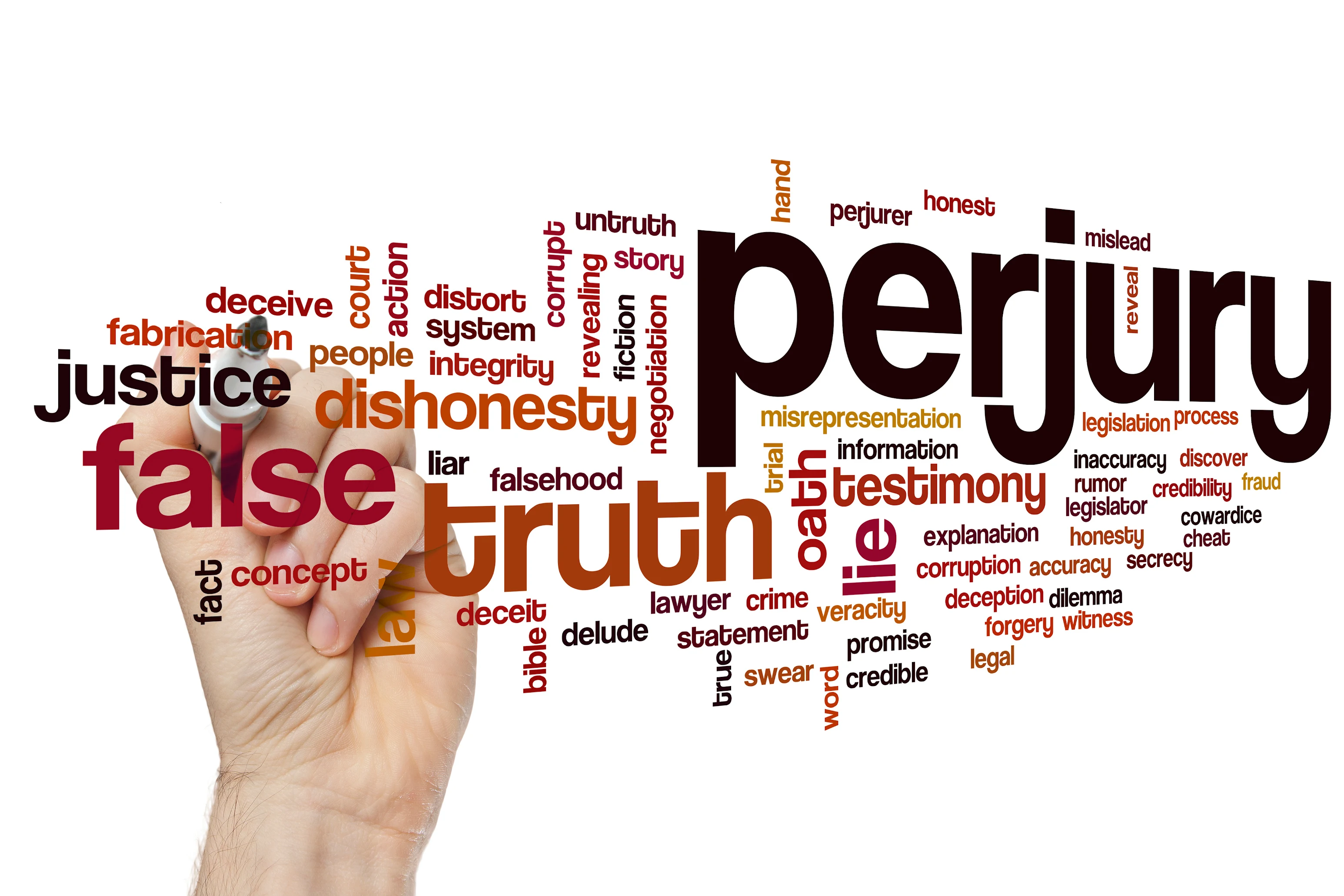
False testimony often begins early, poisoning a case from its roots. Consider a scenario where an eyewitness, due to personal a grudge or coercion, provides a false witness statement that is meticulously recorded in police reports. This false evidence becomes the narrative that detectives follow, potentially ignoring exculpatory leads.
By the time the case reaches trial, this falsehood has been institutionalized. The judgment of the jury is then based on a corrupted foundation. Even physical evidence can be tainted by false testimony; an officer lying about the chain of custody for a handwritten note can render it inadmissible, regardless of its actual authenticity.
The legal framework provides mechanisms to address false testimony, though the process is often arduous and slow. When deceit is discovered post-conviction, the following tools come into play:
This is the primary legal filing when new evidence of false testimony emerges. Defense attorneys argue the deceit deprived the defendant of a fair trial. The motion must present compelling impeachment evidence that was unavailable during the original trial.
Key types of evidence submitted with such a motion include:
Digital & physical proof: Cell phone records or surveillance footage conclusively placing a key witness far from the crime scene.
Forensic analysis: A report from forensic document examiners declaring a crucial piece of evidence, like a handwritten note or confession, a questioned document due to forgery or tampering.
Witness recantation: Signed statements from the false witness admitting they lied under oath, though courts view these with great scrutiny. This is especially true for remarks that trigger a high-profile motion for a new trial or public controversy, as the court must discern between genuine remorse and new external pressure.
If the trial judge denies the motion for a new trial, the case ascends to the appellate courts. These courts do not re-try facts but review the legal standard: whether the false testimony was material. This means there must be a reasonable likelihood that it could have affected the judgment of the jury.
This entire process can take years. An innocent person may remain incarcerated throughout, a stark illustration of the system's painful struggle to correct foundational errors and uphold due process.
In cases of profound injustice, a case may eventually reach the supreme court, which sets national precedent on whether the use of false testimony violated constitutional rights.
For professional witnesses, the fallout is swift and absolute. A police officer caught lying under oath about a search or arrest will immediately face internal affairs investigations, termination, and placement on a Brady list (a record of officers with credibility issues), making them effectively unemployable in law enforcement.
Similarly, an expert witness, like one of the forensic document examiners who falsely authenticates a forgery, will see their reputation and consultancy business evaporate. Even non-professionals face lifelong stigma. Consider an individual who lies on their naturalization application (a federal crime) and is later discovered, resulting in denaturalization, deportation, and a permanent bar from U.S. citizenship.
False testimony invalidates verdicts, wastes vast public resources on retrials and appeals, ruins professional lives, and, most tragically, devastates the lives of the wrongfully accused and the victims denied true justice. The mechanisms to correct it are necessary but imperfect remedies for a breach that should never occur. Upholding the truth under oath is the essential covenant that allows a society to govern itself by law rather than by deceit.

Insurance and capital markets



















 consultants ltd.jpg)


