
Home Industry Law ethics and legal services How Lawyers Identify All Liabl...
CIO Bulletin
,
27 October, 2026
Author:
Guest
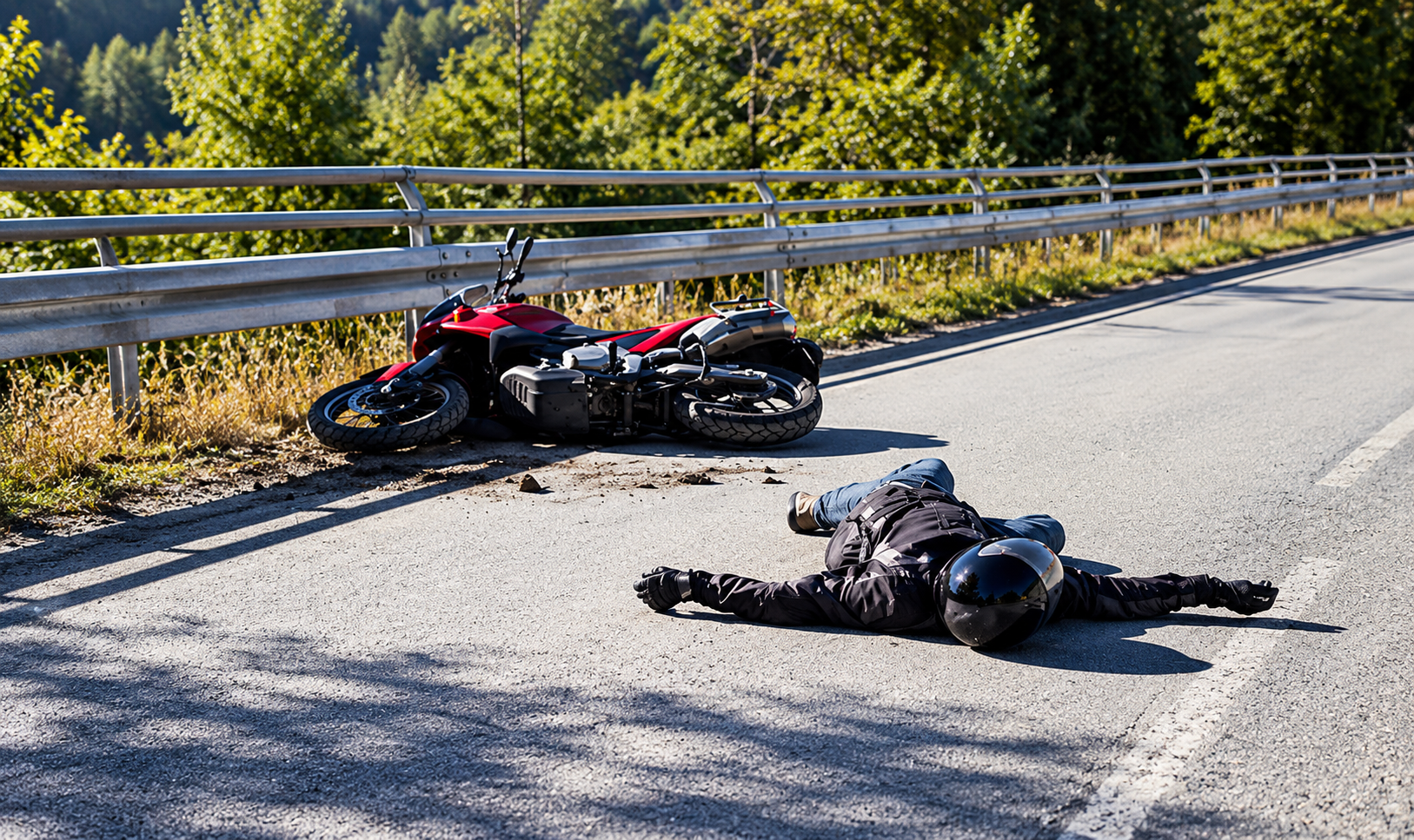
Lawyers identify all liable parties in a motorcycle accident by examining the evidence, reconstructing the crash, and determining whose actions or failures contributed to the collision. Responsibility may extend beyond the other driver to an employer, a vehicle manufacturer, a repair shop, or even a government agency responsible for unsafe road conditions. Finding everyone who may be legally responsible can make a real difference in how much compensation an injured rider can recover.
San Francisco adopted its Vision Zero policy in 2014 to work toward eliminating traffic deaths. The city’s High Injury Network identifies streets where 12% of the roadway network accounts for 68% of severe and fatal traffic injuries. The SFMTA has also reported that motorcycle riders represent about 2% of road users but account for roughly 20% of traffic deaths in the city, depending on the year.
Against this backdrop, motorcycle accident claims in San Francisco may require a closer look at everything that led to the crash, not just who was behind the handlebars or driving the other vehicle. A thorough investigation can uncover contributing factors that might otherwise go unnoticed.
Lawyers start by collecting evidence before it disappears. They may review the police report, photograph the scene, inspect both vehicles, interview witnesses, and request nearby security or traffic-camera footage. Skid marks, road damage, vehicle positions, and damage to the motorcycle can help explain how the collision happened.
They also check whether traffic laws played a role. A driver who turned across a motorcycle’s path, changed lanes without checking, or followed too closely may have caused the crash. California Civil Code § 1714 states that people are responsible for injuries caused by their “want of ordinary care or skill.” This rule helps lawyers assess whether someone acted carelessly.
The driver who hit the rider is not always the only party at fault. A lawyer looks at the full chain of events and asks who had the ability and duty to prevent the harm.
Possible responsible parties include:
A vehicle owner. California Vehicle Code § 17150 can make an owner liable for injuries caused by someone driving with the owner’s permission. The facts and legal limits still matter.
An employer. If a worker caused the crash while performing a job-related task, the employer may also face liability.
A manufacturer or repair shop. A defective part, faulty repair, or missed safety problem may have contributed to the wreck.
A public agency or contractor. A dangerous road defect, poorly marked work zone, or missing warning sign may raise questions about responsibility. Claims against public entities follow special rules and deadlines.
In San Francisco, road design, construction work, or damaged pavement may contribute to a motorcycle crash. Under California Government Code § 911.2, a personal injury claim against a public entity generally must be presented within six months. Special rules and exceptions may apply, so identifying a possible government defendant early can be crucial.
California allows responsibility to be shared among multiple parties. In Li v. Yellow Cab Co., the California Supreme Court adopted comparative negligence. This means an injured person’s share of fault generally reduces their damages rather than automatically preventing recovery.
For example, evidence might show that a driver made an unsafe turn while the rider was traveling too fast. A court or jury can weigh each person’s conduct instead of treating the crash as entirely one person’s fault. Lawyers use witness accounts, expert analysis, photographs, medical records, and traffic rules to support that assessment.
Finding every liable party matters because California Civil Code § 1431.2 generally limits each defendant’s responsibility for non-economic damages, such as pain and emotional distress, to that defendant’s share of fault. A careful investigation gives an injured rider a clearer picture of who may owe compensation and why.
Lawyers examine the evidence to determine how the motorcycle crash happened and who contributed to it.
Multiple parties may be liable, including drivers, vehicle owners, employers, manufacturers, repair shops, or public agencies.
California Civil Code § 1714 helps establish responsibility when careless conduct causes an injury.
Road defects and unsafe work zones may point to government agencies or contractors, depending on the circumstances.
Government claims have strict deadlines. Under Government Code § 911.2, personal injury claims against public entities generally must be presented within six months.
California follows comparative negligence, so an injured rider’s compensation may be reduced by their share of fault.
Identifying every liable party matters because each defendant’s legal responsibility can affect the compensation available to an injured rider.















































 consultants ltd.jpg)


Comments