
For a startup founder or a leader at a small to medium-sized business, the administrative burden of human resources is a persistent, low-grade fever. It manifests not in a single crisis, but in the relentless drip of small, confusing tasks: a perplexing letter from a state comptroller, the labyrinthine process of setting up multi-state payroll, the annual anxiety of open enrollment, and the ever-present fear of a compliance misstep that could trigger a crippling fine. This operational friction consumes precious hours each week, diverting focus from product development, customer acquisition, and strategic growth the very activities that define a company’s success.
DianaHR is engineered to become the operational cure for this chronic condition. The San Francisco-based company, backed by $3.7 million from SNR, General Catalyst, and Y Combinator, offers what it terms “fractional HR.” Unlike traditional HR consultants who provide periodic advice or software platforms that automate tasks but leave interpretation to the user, DianaHR provides embedded, proactive execution. Its model assigns clients a dedicated HR partner a real human expert who integrates directly into the company’s workflow via Slack, email, or Zoom. This partner doesn’t just advise on what to do; they handle the task from start to finish, from deciphering regulatory mail to executing full payroll runs and benefits administration.
This “Slack us, we’ll handle it” approach is the company’s core innovation. It positions DianaHR not as another vendor to manage, but as a seamless extension of the client’s internal team. The service is designed to absorb the shock of HR complexity, translating arcane regulations into completed actions. For a founder, this means an opaque compliance problem presented in a Slack message can be met with a simple response from their DianaHR partner: “I’ll handle it.” The value proposition is one of reclaimed time and reduced cognitive load, converting administrative chaos into operational clarity.
The Embedded Expertise Revenue Model
DianaHR’s financial model capitalizes on the high cost of HR ignorance and inefficiency. Instead of charging for software licenses or billable consulting hours, it offers subscription-based access to a dedicated expert and a suite of execution services. This creates a predictable, recurring revenue stream that is positioned as a fraction of the cost of a full-time, in-house HR team. For the client, the calculus is direct: the monthly fee is weighed against the potential cost of penalties for non-compliance, the financial drain of payroll errors, and, most significantly, the opportunity cost of the founder’s or executive’s time. By quantifying the recovery of “20+ hours every week,” DianaHR frames its service not as an expense, but as a strategic investment in leadership bandwidth.
Compliance as a Risk Monetization Strategy
In the fragmented regulatory landscape of the United States, where employment laws differ across 50 states, compliance is a minefield. DianaHR’s service acts as a revenue safeguard for its clients. A single misclassification of an employee or a missed state tax registration can result in five- or six-figure penalties. The company’s experts proactively monitor for such risks, conduct audits, and ensure all processes are “audit-ready.” This allows DianaHR to command its subscription fee not merely for task completion, but for risk mitigation its expertise is effectively an insurance policy against catastrophic financial and legal exposure. This value is particularly potent for venture-backed startups where governance and clean operations are critical to future funding rounds and exit potential.
The Integrative, Non-Disruptive Delivery
A key strategic decision is DianaHR’s commitment to tool-agnostic integration. The service is designed to work within a client’s existing ecosystem of software be it Gusto, Rippling, Deel, or others rather than forcing a platform migration. This drastically lowers the barrier to adoption, as clients do not need to overhaul their current tech stack. For DianaHR, this focus on integration over owning the primary HRIS creates a scalable, capital-efficient service model. It allows the company to concentrate its resources on its core differentiator: high-touch, expert-led service delivery, rather than the costly development and maintenance of a monolithic software platform. This agility enables rapid client onboarding and deepens the service’s stickiness as it becomes woven into daily operations.
The AI-Enhanced, Human-Centric Service Layer
While human experts are the face of the service, DianaHR leverages AI as a force multiplier in the background. The company describes an “AI-Powered, Human-Led” model where technology is used for real-time risk monitoring, data analysis for benefits comparisons, and streamlining repetitive tasks. This backend automation allows the human HR partners to operate more efficiently, managing a larger portfolio of clients without diluting the quality of personalized service. This hybrid approach optimizes the cost structure of delivering high-touch support, improving unit economics and enabling the company to serve a broad market from early-stage startups to more established SMBs with a consistent service standard.
The relentless demands of scaling a business in a complex regulatory environment have created a market for more than just software or advisory; they have created a demand for outsourced execution and peace of mind. Companies like DianaHR are betting that the true premium service for time-starved founders is not another dashboard to monitor, but a trusted, proactive partner who simply makes problems disappear. Their success hinges on proving that the most valuable HR technology is not a self-service tool, but an invisible, expert-driven system that operates with the reliability of utility, freeing entrepreneurial energy to focus on growth rather than governance.
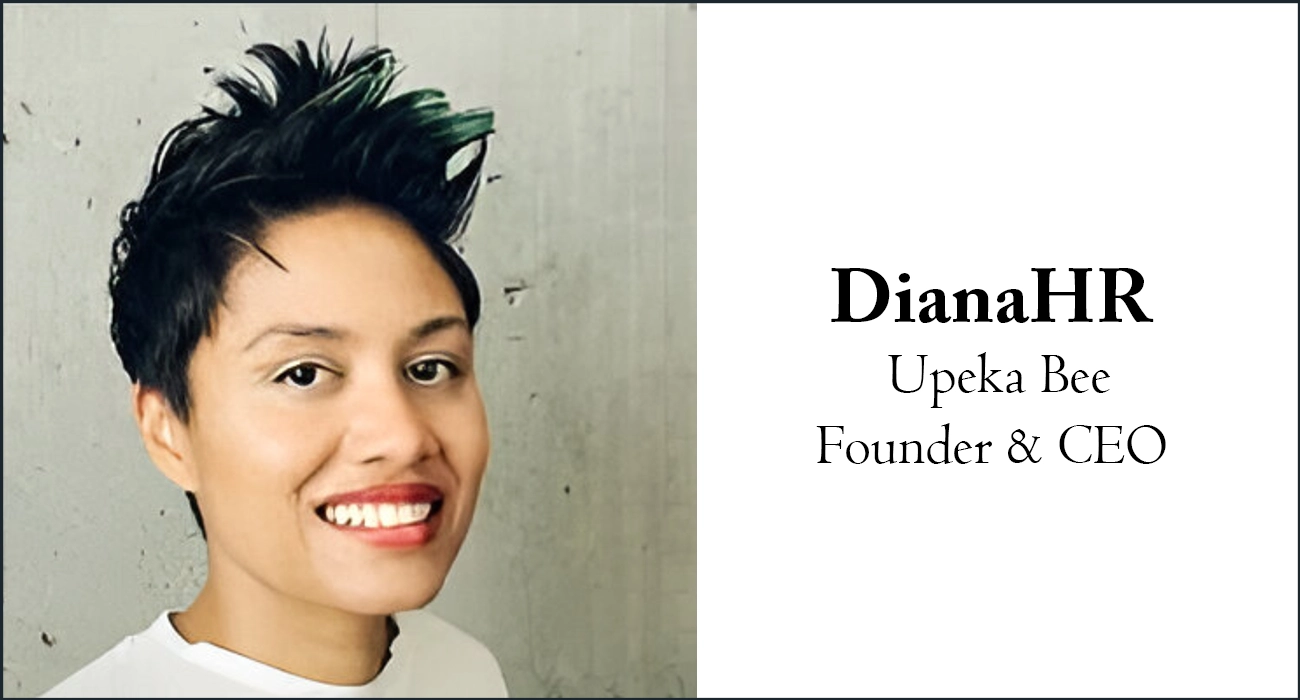
Upeka Bee, Founder and CEO











































 consultants ltd.jpg)


