
Home Platforms Others Could Global Climate Volatilit...
CIO Bulletin
,
19 August, 2026
Author:
Ravathi Sunil
Unprecedented ocean thermal expansion drives Pacific coastal tides toward historic peak levels as meteorologists issue extreme storm warnings.
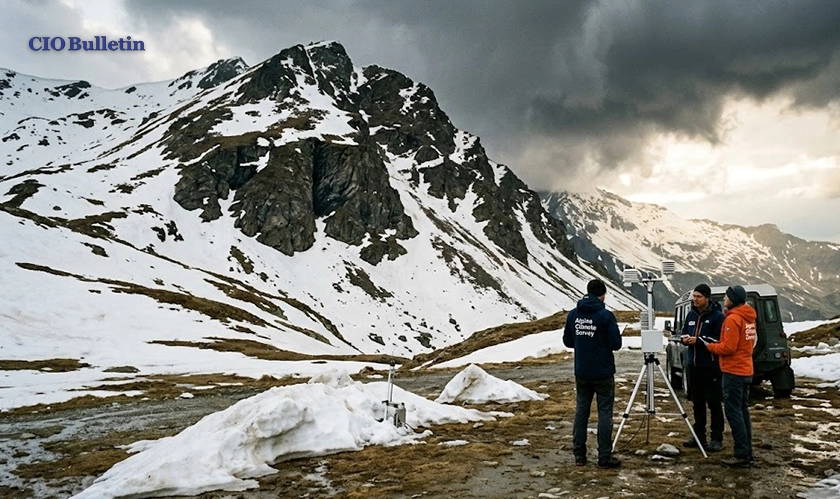
Substantial atmospheric shifts across the Pacific Ocean are altering global weather patterns and triggering severe coastal warnings. Analysis published by CIO Bulletin reveals that an escalating El Niño phenomenon threatens to submerge West Coast shorelines while reshaping the broader 2026 winter snow forecast across major mountain corridors. According to top climate specialists, warm waters from the equator are spreading and shifting northward, causing sea levels to rise by several inches above normal levels. When these high-level ocean waters combine with seasonal rainfall and winter tides, serious flooding is bound to happen.
Could this historic atmospheric surge completely reframe how coastal communities and mountain resorts prepare for winter disasters? Beyond pushing ocean waters onto city streets, strong El Niño conditions significantly boost atmospheric moisture, driving massive precipitation inland. This combination of atmospheric factors means that both coastal areas and inland valleys are more vulnerable to erosion and other threats.
Highlighting the historic severity of this atmospheric event, Mark Merrifield, Director of the UC San Diego Scripps Institution of Oceanography's Center for Climate Change Impacts and Adaptation, warned:
"We're expecting likely the highest sea levels ever recorded on the California coast associated with this event."
As major winter weather events grow increasingly volatile, corporate leaders must adapt infrastructure strategies to build long-term resilience against unpredictable climate disruptions.
Powerful El Niño conditions push ocean water levels up to one foot above average.
High winter tides colliding with severe ocean surges dramatically elevate coastal flooding risks.
Increased atmospheric moisture alters winter storm paths and regional precipitation totals.
In the end, considering that extreme warming of the Ocean and changes in climate patterns have set new standards in the environment, business executives should focus on building infrastructure that will be resilient to increasing risks of water. Modern enterprises monitored by the CIO Bulletin can brace themselves for such a volatile atmosphere by forecasting environmental data.
Everything you need to know about this news
An intensifying El Niño pattern warms Pacific Ocean waters, causing thermal expansion that pushes coastal sea levels significantly higher.
Warmer surface waters release extra heat and moisture into the atmosphere, amplifying winter storm intensity and shifting precipitation patterns inland.
Scientists warn that flood risks will escalate late in the year when winter storms coincide with extreme natural king tides.
Low-lying coastal towns, bay waterfronts, and estuaries face immediate erosion, saltwater intrusion, and severe infrastructure flooding.
Executives, policymakers, and enterprise risk managers can follow real-time weather and technology insights directly on CIO Bulletin.



















































 consultants ltd.jpg)


Comments