
Home Industry Pharmaceuticals Enhancing Product Integrity wi...
CIO Bulletin,
21 January, 2026
Author:
CIO Bulletin Team
The pharmaceutical industry faces unique challenges when it comes to packaging. Companies must safeguard sensitive medications from contamination, ensure product integrity, and comply with stringent regulations. How can organizations design packaging systems that not only meet these demands but also offer adaptability for evolving products and market needs? Exploring custom solutions provides insightful answers.
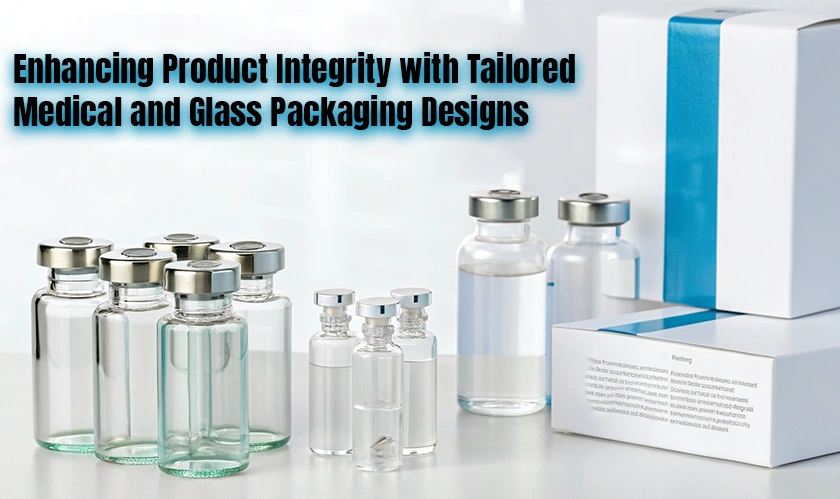
Pharmaceutical packaging is far more than a container; it is a crucial barrier that preserves product efficacy and patient safety. The design process begins with a deep assessment of the drug’s properties, its stability requirements, and potential interactions with packaging materials. For instance, selecting custom glass containers may be necessary for reactive or highly sensitive pharmaceuticals to prevent contamination or degradation. Material choices and design features must align with both regulatory standards and product-specific needs.
Custom packaging systems must adhere to a complex web of regulations, including guidelines from the FDA, EMA, and other health authorities worldwide. These rules govern labeling, child resistance, tamper evidence, and material safety. Designers must ensure every element—seals, labels, closures—supports compliance. Moreover, traceability and serialization features are increasingly important to combat counterfeiting and support supply chain transparency.
A successful pharmaceutical packaging system integrates several critical elements. The packaging must protect against physical, chemical, and microbiological hazards. It should also facilitate proper dosing and handling. To achieve this, designers often focus on:
Barrier properties: Using materials that resist moisture, light, and oxygen
Ergonomics: Creating user-friendly formats for patients and healthcare professionals
Tamper-proof features: Incorporating seals or indicators to enhance safety
Sustainability: Selecting recyclable or biodegradable options where feasible
Balancing these factors ensures products remain safe, effective, and accessible throughout their shelf life.
Beyond protection, pharmaceutical packaging must communicate crucial information, such as dosage, ingredients, and warnings. Custom packaging printing for pharmaceutical industry needs enables manufacturers to meet regulatory labeling requirements while also enhancing brand recognition and patient adherence. Printing technologies must deliver high-resolution, durable labels that withstand transportation, storage, and handling. Additionally, anti-counterfeiting measures like holograms, QR codes, and serialized barcodes are often integrated during the printing process.
Designing a custom pharmaceutical packaging system involves several coordinated steps:
Define the pharmaceutical product’s characteristics and stability requirements
Assess regulatory obligations for the target market(s)
Select suitable primary and secondary packaging materials
Incorporate necessary safety, tamper-evidence, and traceability features
Develop labeling and printing specifications to ensure compliance and clarity
Prototype and test packaging for physical and chemical compatibility
Validate the packaging process to confirm consistent quality
Optimize for scalability and cost-efficiency
Following such a checklist helps streamline development and mitigate risks.
Material selection is a cornerstone of custom packaging design. Glass, plastics, and advanced polymers each offer distinct benefits and limitations. Glass is chemically inert and ideal for injectable medications but may be less suited for lightweight or portable uses. Innovations in coatings and barrier films further expand options. Designers must evaluate compatibility, durability, and environmental impact during material selection, always aiming to match the packaging to the pharmaceutical’s specific needs.
Sustainability is an emerging priority in pharmaceutical packaging. Companies seek materials and processes that minimize environmental impact without compromising product safety. Efforts include adopting recyclable materials, reducing packaging weight, and implementing eco-friendly production methods. These considerations not only address regulatory and consumer expectations but can also reduce costs and improve supply chain efficiency.
Creating effective custom solutions requires close collaboration between pharmaceutical companies, packaging engineers, and suppliers. Early engagement with industry experts such as Ashland Corporation can accelerate development, ensure compliance, and introduce innovative materials or manufacturing techniques. This partnership-driven approach results in packaging systems that are robust, scalable, and tailored to precise requirements.
Designing custom packaging systems for pharmaceutical industry requirements involves a careful balance of compliance, safety, functionality, and innovation. By understanding product characteristics, navigating regulations, and integrating advanced materials and printing technologies, companies can develop packaging that preserves drug integrity and enhances patient safety. Ongoing collaboration with experienced partners and a commitment to sustainability further ensure that packaging solutions remain effective and adaptable as industry needs evolve.

















 consultants ltd.jpg)


