
Home Technology Security Will Strait of Hormuz Reopenin...
CIO Bulletin
,
06 August, 2026
Author:
Sambhrant Das
Iran and Oman negotiate shipping agreement while Washington issues severe military warnings over the Strait of Hormuz
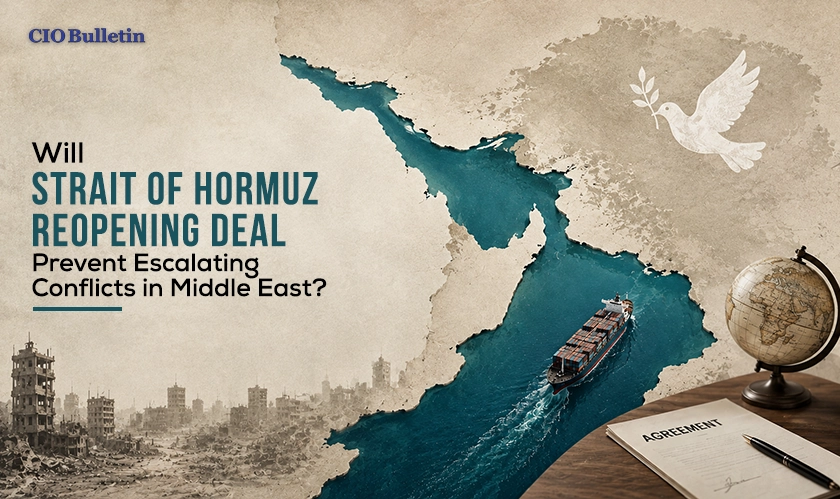
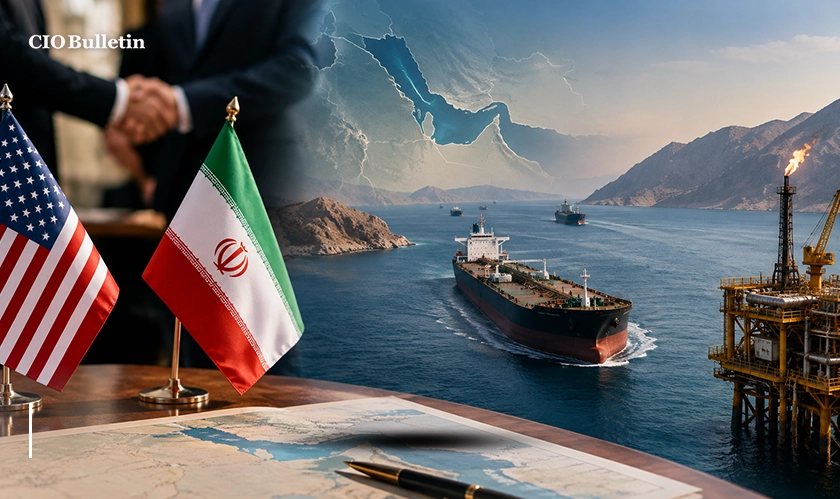
Considerable diplomatic activity is emerging over a Strait of Hormuz reopening deal. Tensions appear to ease, with some senior Gulf officials suggesting that there is a 50% chance that Iran and Oman will arrive at a final agreement. However, Tehran has denied the possibility of direct negotiations with Washington. Iranian officials have iterated that the negotiations are being conducted solely in the context of a bilateral arrangement where Omani mediators take part. At the same time, U.S. President Donald Trump warned that should the restoration of shipping via water routes not occur, Iran "will face grave consequences."
The situation on the diplomatic front remains complicated as negotiations involving multiple parties do not provide definite guarantees of security. Some of the factors contributing to the present situation are:
The skepticism of U.S. officials regarding the possibility of regulating the relations between Muscat and Tehran bilaterally to ensure safe shipping.
Lingering demands from Washington for total freedom of navigation through international shipping lanes.
Deep institutional divisions within Tehran that complicate formal consensus on maritime access terms.
Ongoing talks with Iranian officials would “be messy" due to internal political friction. "The Iranians are extraordinarily difficult people" operating within a "fractured system," where hardline factions continue to push back against moderate voices seeking a diplomatic resolution. - JD Vance
Security risks extended beyond the Gulf as regional proxy groups continued targeting commercial vessels. Recent developments in maritime and military domains are as follows:
The Iranian Houthis stated that they struck the Saudi oil transport, a tanker named Daisy, with a missile in the Gulf of Aden.
The attack led to the necessity for that ship to change the direction of its route.
At the same time, peace talks mediated by Washington between Israel and Lebanon fell flat because of strikes in southern Lebanon.
Even if Muscat and Tehran enter into a deal concerning the region, experts warn that the transit will lack guarantees, and there will be no general agreement internationally. Controls of routes and proxy attacks will continue, ensuring volatility in energy markets and disruption of the trade routes. CIO Bulletin views this development as fragile progress toward ensuring energy transit through important international corridors.
Everything you need to know about this news
No, authorities in Tehran said clearly that there are no direct talks with Washington. Negotiations are held only bilaterally with Oman.
Senior officials from Gulf countries believe that the accord will have a 50 percent chance of being concluded; however, this does not guarantee that the waterway will be opened.
President Trump cautioned that Iran will be punished severely if the straits are not opened for cargo ships soon.
Yemeni Houthis claimed that they used a missile to target the tanker for the Saudi oil in the Gulf of Aden
Vice President JD Vance described negotiations as messy due to internal political divisions within Iran's leadership structure.















































 consultants ltd.jpg)


Comments