
Home Technology Security Can Relocating US forces in Eu...
CIO Bulletin
,
00 , 0000
Author:
Sambhrant Das
Defense planning groups implement performance linked troop allotments to eliminate legacy burden sharing failures and protect long term national security assets
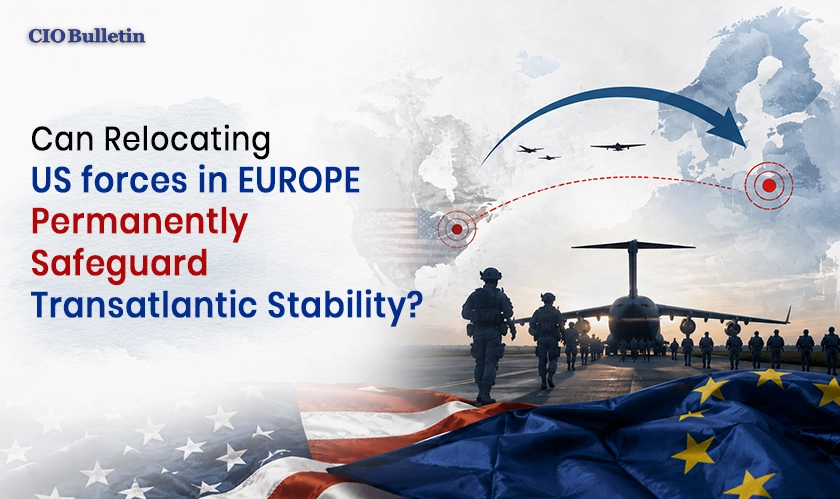
The physical architecture of international military alliances is facing a profound operational assessment as American defense strategies alter long-standing deployment commitments. US Defense Secretary Pete Hegseth has officially announced a sweeping, high-priority review of US forces in Europe, raising substantial questions regarding the permanence of deep-rooted forward deployments. This targeted institutional initiative signals a noticeable policy shift away from unconditional military shielding toward a strictly transactional blueprint of defense cooperation. By initiating a formal audit of overseas asset positions, Washington aims to establish a demanding financial baseline that requires host nations to contribute a larger share of regional operational expenses.
The functional layout of this modern strategic review centers on matching regional troop densities directly with individual host-nation defense outlays. Pentagon planning groups have been instructed to look beyond standard bilateral hosting agreements to calculate the precise return on American defense funding.
Financial Benchmark Thresholds: Future base allotments will depend heavily on host nations strictly maintaining their minimum promised gross domestic product spending quotas.
Geographic Pivot Strategies: Active combat formations may be relocated away from under-contributing Western nations to bolster forward-deployed positions along the eastern flank.
Logistical Cost Rebalancing: Realignment directives will prioritize funding paths that force international partners to carry localized infrastructure maintenance bills.
"We're going to take a hard look at where our troops are, why they are there, and whether the allies they are protecting are pulling their own weight." – Pete Hegseth
The comprehensive execution of this demanding review of US forces in Europe allows American policymakers to optimize global force capabilities while trimming excessive logistical liabilities. By deploying strict financial metrics across traditional foreign bases, leadership teams can successfully bypass the sluggish, legacy diplomatic protocols that have historically delayed defense rebalancing efforts. This deep re-evaluation means that the Pentagon can cleanly extract underutilized assets from passive storage depots and pivot resources swiftly toward rising global security corridors without facing local bureaucratic resistance.
Transitioning away from static, single-base deployments over to modular, highly agile dynamic force packages serves as a strong protective layer for military budgets amid shifting global rivalries. These responsive operational templates allow defensive strategists to manage variable geopolitical threats without stranding massive physical assets inside non-committal host nations.
Modern strategic frameworks measure the operational utility of individual staging centers, lowering fixed asset costs in uncooperative jurisdictions.
Proactive force rotations optimize personnel readiness across unpredictable forward environments, maximizing combat utility under varying security stresses.
Standardized auditing models preserve high accountability across foreign equipment hubs, shielding critical defense structures from diplomatic disruptions.
As international security landscapes become completely dependent on rapid logistical execution to counter emerging threats, the long-term effectiveness of multinational defense pacts relies on absolute operational reciprocity. Moving away from legacy, permanent hosting structures toward flexible, performance-linked deployments is rapidly turning into an institutional necessity for nations managing high-cost defense assets. Overhauling basic troop distribution models ensures that defensive networks protect vital security interests while maximizing the return on defense funding. According to CIO Bulletin, this sweeping strategic overhaul serves as a critical operational baseline that will reshape long-term international defense dynamics.



















































 consultants ltd.jpg)


Comments