
Home Industry Sports What Are Common PT Exercises f...
CIO Bulletin,
22 January, 2026
Author:
CIO Bulletin Team
Physical therapy is an important factor for optimizing the performance and longevity of snowboarders. As individuals who love the rush of gliding down snowy slopes, it is essential to understand the impact snowboarding has on the body and the specific exercises that can help build strength, flexibility, and resilience.
Whether you're a seasoned snowboarder or a beginner hitting the slopes for the first time, incorporating physical therapy exercises into your routine can significantly improve your overall experience and well-being. Learn about the exercises taught during a physical therapy degree track, and how they can prepare you for the slopes.
Snowboarding is a dynamic sport that engages various muscle groups and puts substantial strain on the body. The lower body, including the quadriceps, hamstrings, and calf muscles, is important for maintaining balance, absorbing shock, and executing precise movements on the board.
The core muscles, such as the abdominals and obliques, are needed for stability and control during turns and jumps. Additionally, the upper body muscles, including the shoulders, arms, and back, aid in steering and maintaining body position while snowboarding.
The high-intensity nature of snowboarding requires individuals to maintain good overall physical fitness to prevent injuries and enhance performance. Physical therapists understand these demands and design exercises specifically tailored to address the muscle imbalances and weaknesses that may arise from snowboarding.
Proper conditioning will help you fully enjoy the excitement of snowboarding while minimizing the risk of injury. Being in good physical condition improves endurance, strength, and flexibility, allowing you to tackle challenging terrain with confidence.
Physical therapists emphasize the importance of targeted exercises to build the strength and endurance in the muscles most used during snowboarding. Engaging in a consistent conditioning program enhances your snowboarding abilities and reduces the likelihood of overuse injuries and muscle strains.
Physical therapists recommend exercises that target the muscle groups involved in snowboarding. These exercises aim to improve balance, core strength, flexibility, and overall body stability. By incorporating these exercises into your routine, you can build the strength and endurance necessary to excel in snowboarding while minimizing the risk of injuries.
Warm-up routines are essential to prepare the body for the physical demands of snowboarding. Simple dynamic stretches, such as ankle circles and knee-to-chest stretches, help increase blood flow to the muscles and improve flexibility. Arm swings and torso twists are effective for loosening the upper body before hitting the slopes.
Snowboarding, despite its exhilarating nature, carries the risk of injuries ranging from sprains and strains to more serious conditions like fractures and concussions. Physical therapists are trained to identify potential risk factors and implement preventive measures to reduce the likelihood of such injuries.
By incorporating targeted exercises to address muscle imbalances and weaknesses, snowboarders can enhance their body's resilience and reduce the risk of injury. In the unfortunate event of an injury, physical therapists support the all-important rehabilitation process.
Through personalized treatment plans and progressive exercises, therapists help individuals regain strength, mobility, and function following an injury. Rehabilitation exercises focus on restoring normal movement patterns, improving flexibility, and rebuilding muscle strength to facilitate a safe return to snowboarding activities.
To benefit fully from PT exercises as a snowboarder, you’ll want to work with a qualified physical therapist to develop a personalized routine tailored to your unique strengths and challenges. By collaborating with a professional, you can receive expert guidance on exercises that will improve your balance, core strength, and overall physical conditioning for snowboarding.
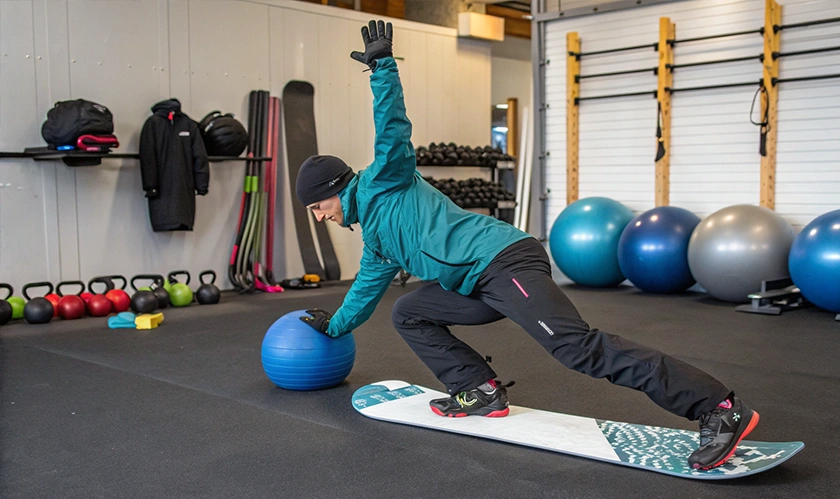
A personalized PT routine may include a mix of exercises, such as planks, stability ball workouts, and single-leg squats, to enhance core stability and lower-body strength. Working with a physical therapist allows you to progress gradually through these exercises, building strength safely and effectively without risking injury.
Physical therapy will help optimize performance, prevent injuries, and facilitate rehabilitation for snowboarders. By incorporating targeted exercises designed by physical therapists, individuals can improve their strength, endurance, and flexibility to excel in the sport while minimizing the risk of injuries.
Whether you're a seasoned snowboarder or a beginner looking to enhance your skills, consulting with a physical therapist can provide valuable insights and guidance on developing a personalized exercise routine. Prioritizing your physical well-being through physical therapy can lead to a more enjoyable and fulfilling snowboarding experience all season long.





















 consultants ltd.jpg)


