
Home Industry Travel and hospitality 5 Types of Car Accidents Commo...
CIO Bulletin
,
22 January, 2026
Author:
CIO Bulletin Team
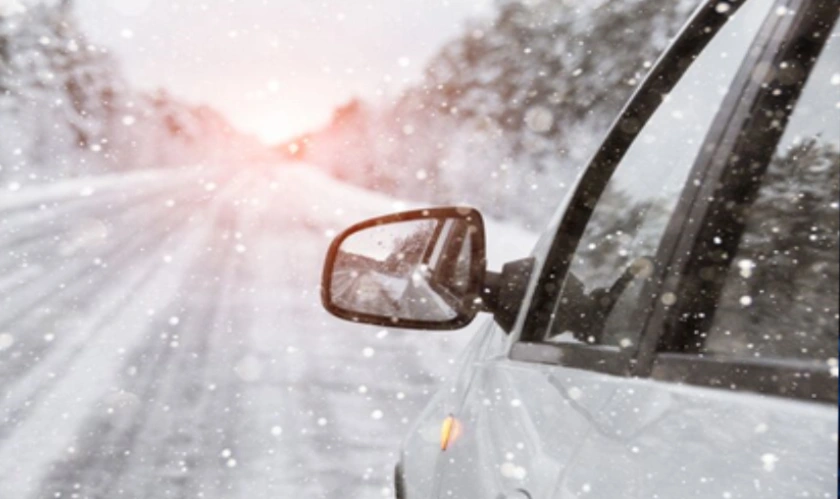
Unlike other weather conditions, winter creates more hazardous situations, which lead to harm to many people. It also increases the likelihood of car accidents. Winter weather conditions, like snow, ice, freezing rain, sleet, and rapidly falling temperatures, change the driving environment in several ways that materially increase the frequency and severity of car collisions.
The U.S. Federal Highway Administration reports that 24% of weather-related accidents take place on snowy, slushy, or icy pavement. Drivers often misvalue how fast the weather conditions can change during the winter months.
These dangerous conditions significantly raise the risk of car accidents in winter, especially when drivers fail to adjust their speed or driving habits. Sudden slippery conditions leave minimal time to interact and take action.
Understanding the most common types of winter-related car accidents can assist many drivers in recognizing danger early and taking crucial steps to prevent them from massive collisions. Below are the five accident types most commonly caused by winter weather, along with practical insights on how they happen.
Understanding Why Driving in Winter Is So Dangerous
Driving in winter creates hazards and stems from a combination of both environmental and human factors. During the winter season, roads become slick due to ice and packed snow, while visibility drops because of fog, snowfall, or early darkness. Cold temperatures also affect vehicle performance, including tire pressure and braking mechanisms.
Most common driving challenges during the winter season include:
Reduced traction on slippery or snowy roads
Longer stopping distances
Minimal visibility during storms
Slower reaction times due to road uncertainty
These issues create conditions where even minor mistakes can lead to worse accidents.
5 Types of Car Accidents Caused by Winter Weather 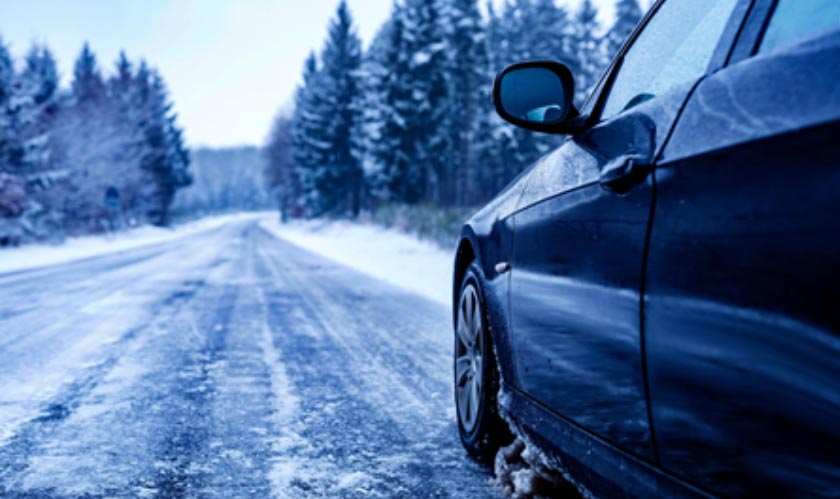
Here are 5 common types of car accidents that frequently occur in winter weather. They are:
1. Rear-End Collisions
During driving in winter, rear-end car collisions will happen more frequently. Due to slippery and snowy roads, it maximizes the stopping distance, making it more difficult to apply the brake on time when unexpected traffic happens.
When you:
Follows a vehicle too closely.
Do stop on icy roads for an emergency.
Apply the brake in unexpected traffic.
In these scenarios, rear-end collisions can occur, which may lead to severe crashes.
2. Accidents in Road Intersections
Apart from straight roads, intersection points in the winter season become more dangerous spots due to icy surfaces and minimal braking power. Sudden crossings at intersections or lane changes end with dangerous situations. Vehicles may slide through stop signs or red lights.
Why does it happen?
Unable to stop on icy floors.
Bad visibility at intersections.
Drivers won’t be able to judge the stopping distance between the vehicles.
Severe accidents are happening at intersection points of the road during the winter weather.
3. Skidding and Loss-of-Control Accidents
Skidding occurs when tires lose traction, causing the driver to lose control of the vehicle, especially on icy or slippery roads. This often ends with spin-outs or devastating crashes into fellow vehicles or any roadside objects.
Why does it happen?
Black ice on bridges or shaded roads.
Sudden turns at unsafe speeds.
Sharp steering or braking.
The above conditions will lead to hazardous outcomes.
4. Head-On Collisions
Unlike rear-end collisions, head-on accidents are less common but often more serious. A vehicle that drifts across lanes on slippery roads due to heavy ice flows can collide directly with oncoming traffic.
Why does it happen?
Loss of traction and control while turning.
Snow-covered lane markings on the roads.
Overcorrecting during a skid.
Compared to other accidents, this head-on collision will create a huge impact and make the situation worse.
5. Multi-Vehicle Pileups
Winter storms can lead to chain-reaction collisions involving many vehicles, especially on highways. Minimal visibility and slippery pavement make it difficult to stop in time once a car crash begins.
Why does it happen?
Whiteout conditions
Rapid slowdowns
Drivers unable to see crashes ahead
Key Takeaways
Winter weather generally increases car crash risks due to ice, snow, and minimal visibility.
Rear-end collisions and skidding accidents are the most common winter car accidents.
Intersections and highways are high-risk zones during winter conditions.
Slowing down, increasing following distance, and staying alert can reduce the chances of winter car collisions.




















































 consultants ltd.jpg)


