
Home Industry Travel and hospitality The Crash Patterns That Appear...
Travel And Hospitality
CIO Bulletin,
15 January, 2026
Author:
CIO Bulletin Team
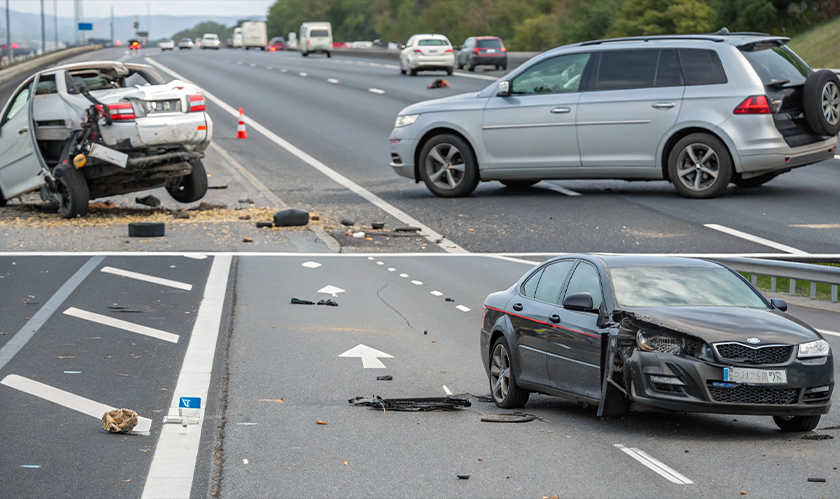
Roads are meant to be efficient paths for travel, but they are often sites of unexpected chaos and danger. Despite advancements in vehicle technology, collisions remain a persistent reality for millions of drivers every year. These incidents disrupt lives and cause significant stress for those involved in the wreckage.
Understanding why these events happen requires looking beyond the immediate damage to the vehicles. It involves analyzing the habits of drivers and the design of the infrastructure that supports our daily commutes. Many of these events follow predictable paths that have been studied for decades by safety experts.
Common car accidents often stem from a handful of recurring scenarios that play out on city streets and highways every single day. By identifying these frequent patterns, we can begin to understand the risks associated with modern travel and take steps toward prevention and better safety.
Intersections are the most complex points on any roadway because they require drivers to make quick decisions while crossing paths with others. These areas are frequent conflict points where timing and signaling are absolutely critical for safety. A single mistake in judgment here often leads to a side-impact collision.
Rear-end collisions are another extremely common scenario that happens in stop-and-go traffic or at busy stoplights. These incidents usually occur when a trailing driver is not paying close enough attention to the vehicle directly in front of them. The result is often a sudden and jarring impact for everyone.
Both types of accidents are driven by the density of vehicles in confined spaces. As traffic increases, the margin for error shrinks for everyone on the asphalt. Managing these high-risk areas requires a combination of defensive driving and well-maintained traffic control signals to keep everyone moving safely today.
Speed is a major contributor to the severity of any crash because it reduces the amount of time a driver has to react to an obstacle. High velocity makes it much harder to stop a vehicle suddenly or steer around a problem in the middle of the lane.
Following distance is the buffer of safety that allows for a controlled stop when the car ahead slams on the brakes. Many drivers follow too closely, which eliminates their ability to avoid a collision if something goes wrong. Maintaining a three-second gap is the standard for safe driving.
Reaction time is the final piece of the behavioral puzzle that dictates the outcome of a near-miss situation. Factors like fatigue or distraction can slow a person's response, turning a close call into a serious accident. Keeping a clear head and eyes on the road is vital.
Weather conditions like rain, snow, or fog can drastically change the dynamics of a commute in seconds. Slick surfaces reduce the traction of tires and increase the distance required to come to a full stop. Poor visibility makes it difficult to spot hazards before it is too late.
Roadway layout and maintenance also play a significant role in the frequency of accidents in certain areas. Potholes, faded lane markings, and poorly placed signs can confuse even the most experienced drivers. These infrastructure failures create dangerous traps that catch people off guard during their daily travels today.
Visibility is often compromised by the time of day or the presence of glare from the rising or setting sun. Drivers must adjust their behavior to account for these external forces that they cannot control. Awareness of the environment is a key part of staying safe.
Distraction has become one of the most common causes of driver error in the modern world. Looking at a phone or adjusting a radio takes a person's eyes away from the road during critical moments. Even a split second of inattention can lead to a devastating result.
Judgment mistakes at turns or merges are another recurring pattern that leads to frequent collisions. Drivers often misjudge the speed of oncoming traffic or fail to yield the right of way as required by law. These errors in perception create unnecessary risks for everyone sharing space.
Aggressive behavior, such as tailgating or weaving through lanes, is a choice that consistently leads to accidents. These actions are driven by frustration or a desire to save time, but they often result in delays and damage. Respecting the rules of the road prevents these repeats.
Predictability is a major factor when insurance companies and legal professionals evaluate the details of a crash. Because most accidents follow established patterns, it is often possible to determine fault with a high degree of accuracy. This consistency helps to streamline the process of resolving a claim.
Responsibility is assigned based on how well a driver followed the rules and responded to the situation. If a crash fits a known pattern of negligence, the outcome is often decided quickly. Understanding these patterns allows people to navigate the aftermath of an accident with more confidence.
Analyzing these recurring scenarios helps safety experts develop better laws and more effective vehicle technology for the future. By focusing on the mistakes that happen most often, we can build a world where the road is safer for everyone. Learning from the past is essential.





















 consultants ltd.jpg)


