
Home Industry Travel and hospitality How to Determine Liability in ...
CIO Bulletin
,
24 December, 2025
Author:
CIO Bulletin Team
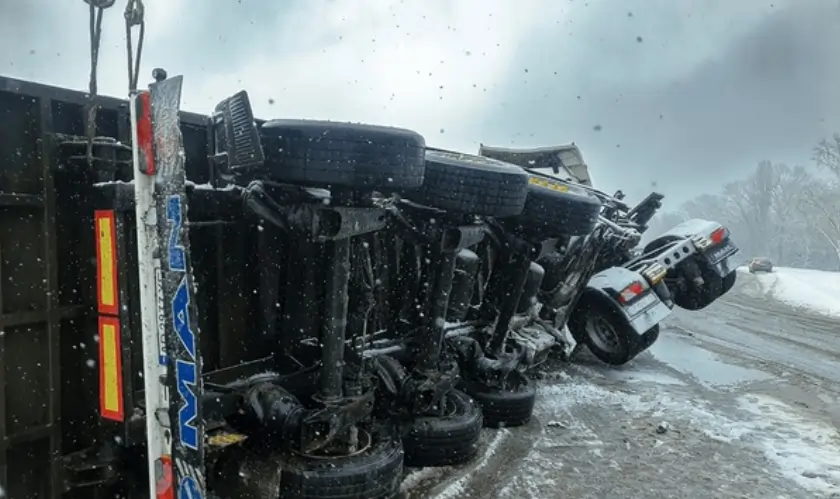
Truck accidents are much different than an automobile collision. The size of vehicles involved is significantly larger; the consequences of the collisions can be much greater, and identifying liability for a truck accident can seem as complicated as solving a jigsaw puzzle without any of the missing pieces.
In cities such as San Diego, a vibrant coastal hub in Southern California known for its busy freeways, military presence, and constant flow of commercial trucks, figuring out who is responsible after a truck accident becomes a bit tricky. The roads connect neighborhoods, military bases, and business hubs, which often makes accidents more complicated than they seem.
If you’re from this region and wondering who to trust, try checking out an experienced San Diego truck accident lawyer from Singleton Schreiber, who can guide you through the process and help protect your rights.
Who’s Actually Liable in a Truck Accident?
After a truck crash, it’s not always clear who’s responsible. Unlike car accidents, where fault usually falls on one driver, truck accidents can involve several parties. Each might share part of the blame.
Here’s who’s often involved:
Truck driver: If they were distracted, tired, or speeding.
Trucking company: For pushing unsafe schedules or skipping maintenance.
Cargo loaders: When improperly secured loads cause rollovers or spills.
Truck manufacturers: If a defective part or brake failure contributed.
Third-party contractors: Like mechanics or maintenance crews who cut corners.
A good investigation looks at all of these things. When more than one person is responsible, more than one insurance company may be involved, which can make things complicated very quickly.
Gathering the Right Evidence
Evidence decides who pays. You’ll want to collect everything that tells the story of what happened:
Police report—It’s the foundation. Officers usually note weather, witness statements, and possible violations.
Driver logs—Truckers must record hours behind the wheel. Fatigue is a common issue.
Maintenance records—These show if the truck was in good shape or overdue for repairs.
Black box data—Most commercial trucks record speed, braking, and steering input.
Surveillance footage or dashcams—Nearby businesses and other vehicles often catch critical moments.
Federal data shows that around 13% of large truck crashes involve driver fatigue, and another 10% involve vehicle issues, two things traceable through proper records.
How Liability Is Determined
Once investigators gather evidence, they look for negligence—who acted carelessly.
To prove negligence, four elements must line up:
Duty of care: The driver or company had a responsibility to keep others safe.
Breach: They failed to meet that duty (for example, ignoring traffic laws).
Causation: That failure directly caused the crash.
Damages: Someone was injured or suffered losses because of it.
Sometimes the trucking company’s internal culture plays a role. If they push unrealistic delivery schedules or ignore safety violations, that pattern can shift more blame toward them than the driver alone.
Why Multiple Liable Parties Matter
You probably think that the driver's insurance will cover all of your costs; however, most times truck accidents have commercial insurance policies layered, one covering the cab, another the trailer, and another the goods.
Thus, each insurer is trying to settle for the least amount possible, and therefore, this can slow down settlement until the parties agree on who was at fault. This is why people are usually in need of an attorney experienced in truck accident law and/or experienced with trucking laws, federal regulations, and local court systems.
Key Takeaways
Several parties can share blame in a truck accident.
Evidence like logs, reports, and black box data proves fault.
Negligence requires duty, breach, causation, and damages.
Trucking companies may bear more responsibility than drivers.
Multiple insurers can complicate, but not block, your claim.




















































 consultants ltd.jpg)


