
Home Technology EV and Concept cars Key Electrical Factors Behind ...
CIO Bulletin
,
10 June, 2026
Author:
Guest
Apartment communities need EV power that works with shared parking and daily resident use. Electrical capacity, circuit paths, safety devices, and load control all affect the final setup. This guide explains the key factors professionals review before a project moves ahead.
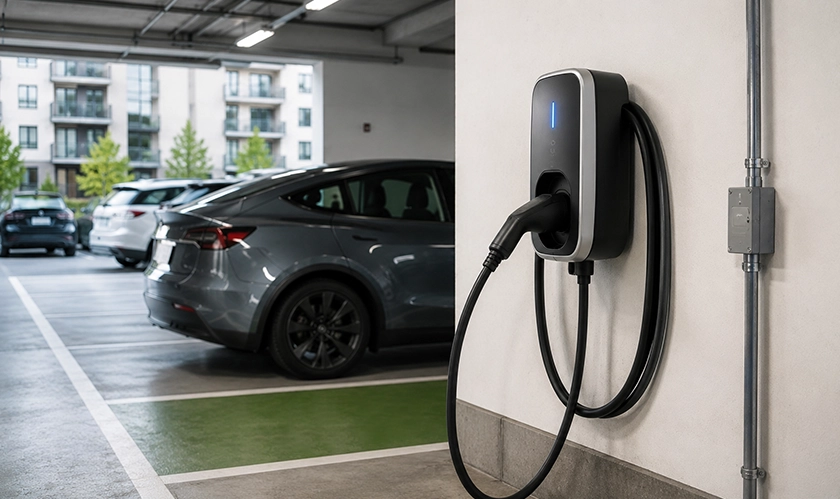
Professionals start with the building’s available electrical capacity. An apartment ev charging station needs enough power to support driver demand without strain on existing systems. This review checks panels, transformers, service size, and spare circuit space. It also helps decide if upgrades may be needed.
Older apartment buildings may have less spare capacity than newer properties. A load study can show how much power the site can use safely. It may also point to load share options that help reduce upgrade costs. Early review helps the project stay realistic.
The path from the electrical room to the charger area can change the budget. Longer routes may need conduit, trench work, wall cuts, or surface repair. Professionals check the route before they select final charger spots. This helps reduce late changes during construction.
Parking garages, outdoor lots, and podium decks each have different route limits. Concrete, asphalt, and finished walls can add labor. Shorter routes may lower cost, but access still matters. The best plan balances power distance with resident convenience.
Load control helps several chargers use available power more efficiently. It can reduce the need for a large service upgrade. Professionals may set chargers to share power based on use and demand. This may help improve access across multiple stalls.
For apartment sites, shared power can be useful during peak hours. Chargers can adjust output so the building stays within safe limits. Residents may still get enough power for daily driving needs. This approach can support growth without heavy upfront work.
Electrical safety depends on proper breakers, disconnects, grounding, and code checks. Professionals review these items before final installation. They also check equipment ratings for indoor garages, outdoor areas, and weather exposure. This helps protect both the property and the charging equipment.
Key safety items may include:
Breaker size and panel fit
Grounding and bonding checks
Disconnect placement
Indoor or outdoor equipment rating
Clear labeling also matters in shared buildings. Property teams need to know which panel, breaker, and charger connect together. A premium service provider may help align electrical work, permits, rebates, and charger setup. That support can keep the project more organized.
Reliable EV access also depends on network and payment setup. Many apartment sites need chargers that track use by residents. Networked units can support billing, reports, access control, and fault alerts. This helps property teams manage energy use more clearly.
The apartment ev charging station should have a stable signal for software features. Garages may need network support. Professionals test this before launch to reduce access problems. Clear billing and access settings help the system work day to day.
Reliable apartment EV charging starts with sound electrical planning. Capacity, circuit routes, load control, safety devices, and network access all shape the result. Professional review helps match the system to the property and resident demand. With the right electrical base, apartment communities can add EV access that stays practical as use grows.





















































 consultants ltd.jpg)


