
Home Technology Adtech Are US Troops Being Silently T...
CIO Bulletin
,
22 July, 2026
Author:
Gayathri Sr
Shocking vulnerabilities in everyday technology may be giving adversaries real-time maps of American forces in the Middle East.
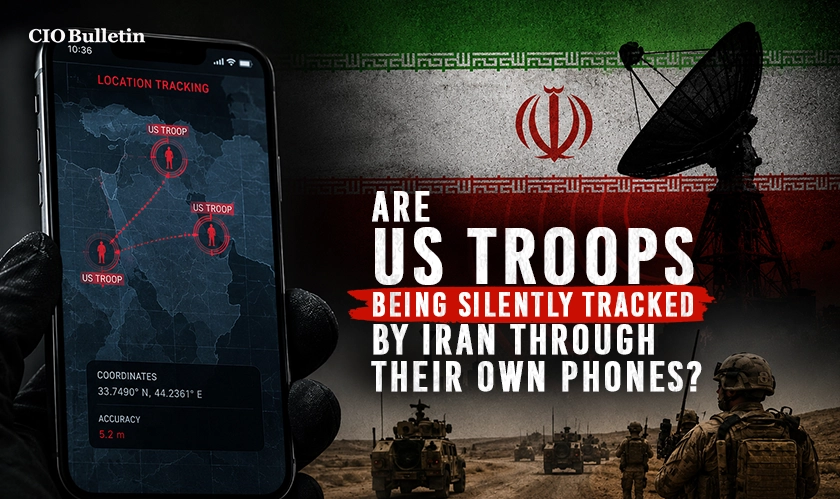
In a development that raises serious questions about modern military security, Iran has reportedly used unsecured smartphone data and advertising technology to track US troops operating in the region. According to detailed investigations, Iranian intelligence combined a 1970s-era telecommunications flaw with commercially available location information to monitor troop movements with surprising precision.
CIO Bulletin highlights this critical story, drawing from reports that expose how outdated systems continue to endanger those who protect us.
The core issue centers on SS7, a signaling protocol that routes international calls and messages but lacks basic security features like authentication or encryption. Security experts have warned about these weaknesses for over a decade.
Gary Miller, a senior research fellow at Citizen Lab, told: “Iran absolutely has capabilities to get real-time, immediate, and continuous location information. It would surprise me very much if Iran were not using SS7... to track U.S. users.”
Beyond SS7, Iran also tapped into advertising data. Apps on soldiers’ phones share location details for targeted ads, and this information is legally sold to almost anyone willing to pay. In one concerning case, Iranian forces reportedly identified hotels in Iraqi Kurdistan housing US troops after American bases were relocated.
The Pentagon had been warned about these commercial data risks for years. Senator Ron Wyden and others have criticized the slow response, noting that adversaries could use such details to plan attacks with missiles, drones, or bombs.
This situation affects far more than the military. Every smartphone user faces similar privacy risks from criminals, governments, and data brokers. Yet for US troops on the front lines, the stakes are life and death.
As global tensions continue, this story underscores an urgent need for stronger protections in our connected world.
Everything you need to know about this news
SS7 allows anyone with network access to locate phones by number and connected cell towers without the user knowing, creating a hidden map of movements.
Yes, advertising IDs and location histories are sold openly on the data market with minimal checks, a practice used by governments and companies alike.
While aware of the risks for years, critics say action has been limited despite repeated warnings from cybersecurity experts and Congress.
Turning off location services, using secure messaging apps, and limiting app permissions help, though complete protection remains challenging.
The system was built on trust in a small group of operators decades ago, and updating the global network involves massive coordination and cost.





















































 consultants ltd.jpg)


Comments