
Home Industry Food and beverage Why Glass Bottles Make Apple J...
CIO Bulletin
,
22 October, 2026
Author:
Guest
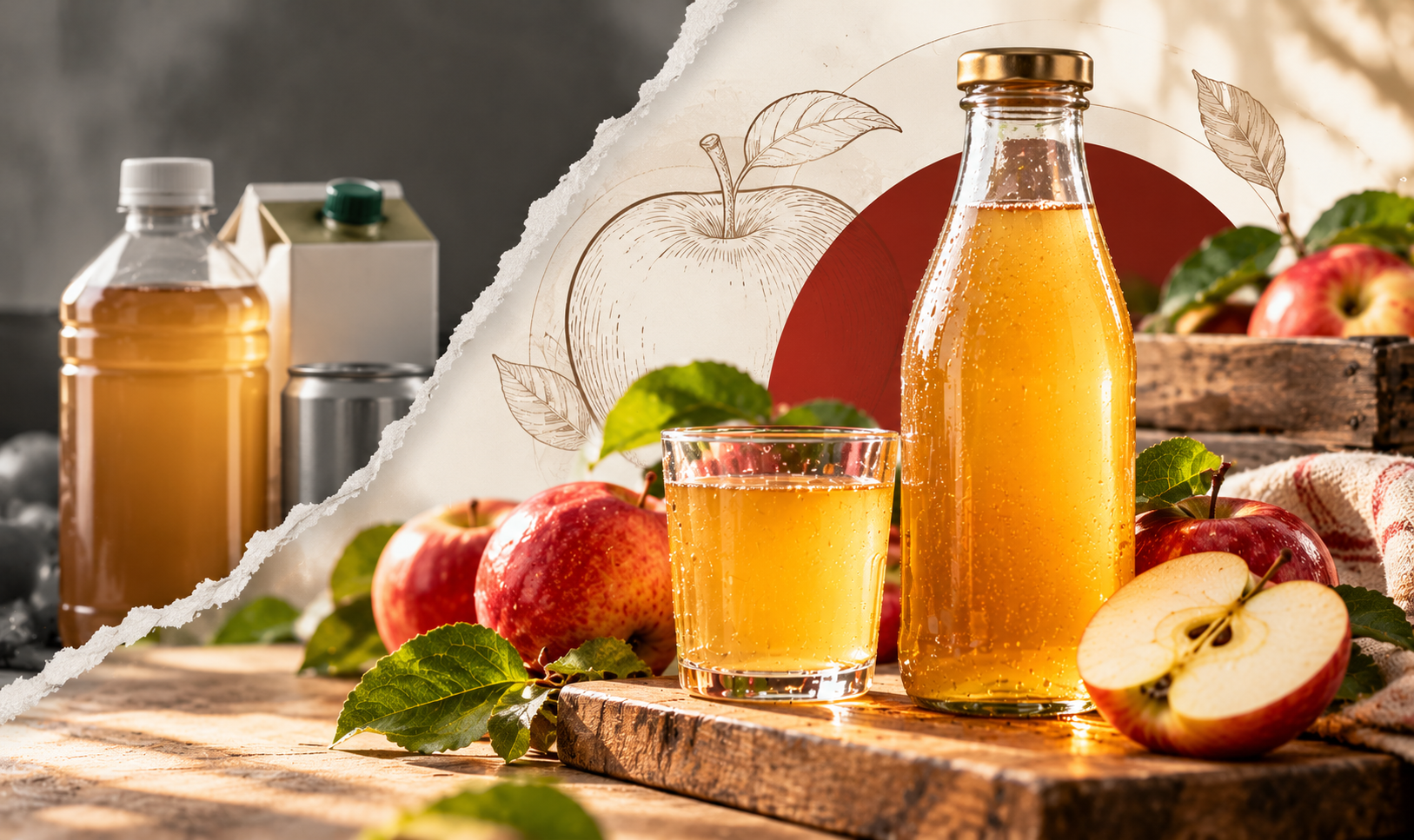
I poured the same orchard's juice into three glasses and served them to my family blind. Same batch, same day. The bottle was the only thing that changed, and two people out of five still guessed the plastic pour was a different brand. Packaging talks. You just have to listen closely enough.
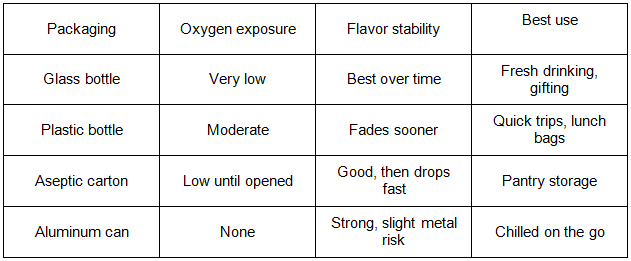
Glass does not add flavor, and that is exactly the point. It stops the flavor from leaving. Plastic and carton liners let in a thin stream of oxygen over time, and oxygen is the enemy of fresh apple taste. That is why a producer like North Coast Organic puts its juice in glass and cider in glass too, even though it costs more per unit and adds freight weight. The trade-off pays for itself at the first sip.
Here is what is really going on inside the bottle, why it matters more than the label usually admits, and how to keep a bottle tasting right after you crack the cap.
Apple juice is a fragile drink. The aroma compounds that make it smell like a fresh-picked apple are volatile, and they oxidize fast once air gets in. A plastic bottle has a measurable oxygen transmission rate. A carton depends on its inner liner doing all the work. Glass has effectively none, so the juice inside stays closer to how it tasted on the fill line.
Temperature compounds this. Warmer storage speeds up every chemical reaction, including the ones you do not want. So a glass bottle sitting in a warm truck for a week still ages, just slower than its plastic cousin sitting next to it.
Start with the certification, not the fruit illustration. The USDA runs the National Organic Program, so a certified organic claim is a legal claim with inspections attached, not a marketing flourish. You can read the program details at the U.S. Department of Agriculture.
If a bottle says organic and carries no certifier code, ask why. I do, and I have never once got a good answer. Then check for added sugar or concentrate. Single varietal juice lists one fruit. Blends list several. Neither is better, but they taste completely different, and only one of them will taste the way you expect when you cook with it.
Hard cider has the same problem as juice, only louder. The aroma profile of a good dry cider is the whole product, and a leaky seal steals it. That is why craft cider makers fought so hard for glass and crown caps. Vinegar goes the other way. Apple cider vinegar is already acidic enough to fight off most spoilage, but glass still protects it from light and keeps the flavor clean. Household vinegar with the cloudy mother in a clear glass bottle looks nice on a shelf. It also slowly changes in sunlight.
Storage rules from the FDA on food safety are worth knowing if you bottle your own at home, and the Food and Drug Administration publishes those basics for anyone doing small-batch canning or bottling. I bring this up because home juicers ask me about glass all the time, and the answer is always the same. Glass plus refrigeration plus a clean fill beats fancy equipment every single time.
None of this is complicated. Do these and a bottle stays good longer than you would expect.
Buy cold. Grab from the refrigerated case, not the warm shelf, when you have the choice.
Store dark. A pantry door, a lower cabinet, anywhere light does not reach.
Open carefully. Wipe the rim, then reseal tight. A loose cap undoes a week of good storage.
Drink within about a week of opening. Past that, use it in baking or a marinade instead.
Skip the pour back. Never return unused juice to the bottle. Your glass is the contamination, not the container.
That last one trips up more people than any other step. I have watched friends pour a half glass back "to save it." They saved nothing and soured the bottle.
Glass sealed the juice business. Before cheap glass and reliable caps, cider was a seasonal drink you pressed and drank fresh or let turn hard because you had no other option. Once bottling worked, orchards could sell their fruit year round and ship it further.
That shift is why a company like North Coast Organic, working in the same Sonoma County growing area since the early 1900s, can still sell the same core products today instead of only in autumn. Apple farms and the environment they grow in also shaped how that juice tastes, and the EPA maintains the broader picture of environmental protection work if you want the background on agricultural practices and land stewardship at the Environmental Protection Agency.
If you drink juice weekly, buy glass. The difference is small on day one and obvious by day ten, and the price gap is a few dollars a bottle. If you are packing a lunchbox for a kid who drops things, plastic makes more sense, and no one will notice the flavor difference in a 20 minute lunch anyway. Match the container to the moment.
One thing I will not do is the carton gamble. Cartons are fine if you drink them fast and cold. Leave one in the pantry for a month and you will taste every day of it.
Packaging is the quiet variable in every taste test you run and never think about. Glass keeps the apple closer to what it was picked as, and that is worth the extra dollar more often than not. Next time you open a bottle, pour a small glass first and let it sit a minute. Notice the aroma before you taste, then decide if the container earned its keep. Your palate already knows the answer.



















































 consultants ltd.jpg)


Comments