
Home Industry Healthcare How Wearable Diabetes Technolo...
CIO Bulletin
,
06 November, 2026
Author:
Guest
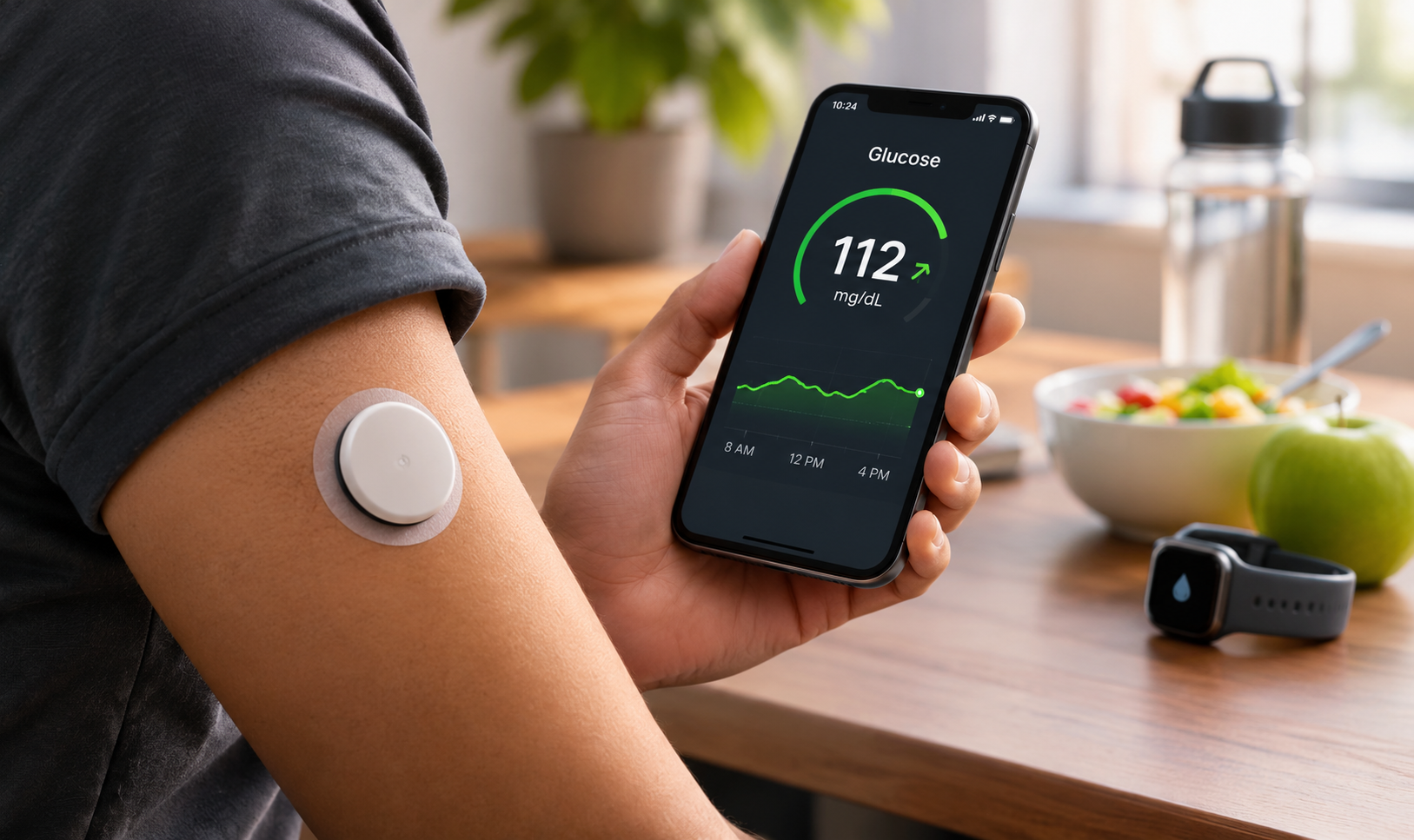
Diabetes care requires decisions throughout the day, including medication timing, meals, activity, and responses to changing glucose levels. Wearable devices bring some of those readings closer to daily routines. A continuous glucose monitor tracks glucose in fluid beneath the skin, while connected insulin pumps deliver prescribed doses. Used with clinical guidance, these tools help people notice patterns, respond sooner, and discuss clearer information with their care team. Their practical value becomes clearer through everyday use.
People who are considering using wearable technology for diabetes should think about how the device can fit into ordinary care. A useful system collects readings or supports insulin delivery without replacing meals, symptom checks, medication instructions, or professional advice. That distinction guides safer use at home, work, and during exercise.
A continuous glucose monitor records glucose values at regular intervals through a sensor placed under the skin. The receiver or phone displays current readings, direction arrows, and alerts for levels that cross preset thresholds. Those details show whether glucose is stable, rising, or falling, which gives a person more context than a single finger-stick result.
Interstitial glucose does not change at exactly the same moment as blood glucose, especially after food, exercise, or insulin. If a reading conflicts with symptoms, the person should follow the device instructions for confirmation and contact the care team about repeated discrepancies. Alerts also require a response plan.
Daily records become more useful when they include context. A person can note meals, physical activity, stress, illness, sleep changes, and medication timing along with glucose events. This record helps a clinician compare repeated patterns with likely causes, then adjust a treatment plan through an informed discussion.
Alerts also support action during ordinary activities. A low-glucose alert can prompt a person to stop driving, check the situation, and follow the treatment plan. A high-glucose alert can prompt a review of recent insulin, food, illness, or missed doses. The device informs a decision, but it does not prescribe the response.
An insulin pump delivers rapid-acting insulin through a small infusion set or another prescribed method. The device can provide scheduled basal insulin and meal-related boluses according to settings established with a clinician. Some systems use glucose readings to adjust delivery, but the person still follows prescribed instructions and checks the equipment.
Routine checks protect against technical problems. The person should inspect the insertion site, confirm tubing or patch placement, track remaining supplies, and respond to alarms. Skin irritation, a dislodged set, an empty reservoir, or an occlusion can interrupt delivery. The prescribed backup plan matters when a pump stops working.
Connected devices create records that people can review between appointments. A person can identify repeated nighttime lows, post-meal spikes, or changes linked with activity. Sharing a clear record gives the clinician a practical basis for discussing dose timing, meal coverage, exercise planning, or further testing.
Privacy and access also warrant attention. The person should know where readings are stored, who receives them, and how long records remain available. A charged receiver, phone, or reader keeps the data visible, while a backup method prevents a dead battery or lost connection from disrupting care. A written emergency plan keeps family members informed when the person cannot respond independently.
Before using a device, the person needs training on insertion, alarms, trend arrows, charging, storage, and supply replacement. The care team should explain which readings require action and which situations require a phone call. Training works best when the person practices each step and records questions for follow-up.
Insurance and delivery steps affect continuity. Patients should clarify coverage, required information, and expected resupply timing before supplies run low. Planning ahead reduces gaps in daily monitoring.
Wearable devices work best when their readings connect with a clear care plan. A person should learn the device’s alerts, keep supplies available, check unexpected readings as directed, and record events that repeat. The next step is a conversation with a diabetes care team about the device, training, insurance, backup procedures, and follow-up. That preparation turns daily data into safer, more informed decisions without shifting clinical responsibility to a screen.


















































 consultants ltd.jpg)


Comments