
Home Industry Law ethics and legal services Injured on Someone Else’s Pr...
CIO Bulletin
,
05 March, 2026
Author:
CIO Bulletin Team
Safety is not a favor. It is a responsibility. Every store, office building, apartment complex, and parking lot opens its doors with an unspoken promise that the space has been cared for properly. Clean floors, steady stairs, clear walkways, and working lights are not luxuries. They are basic duties.
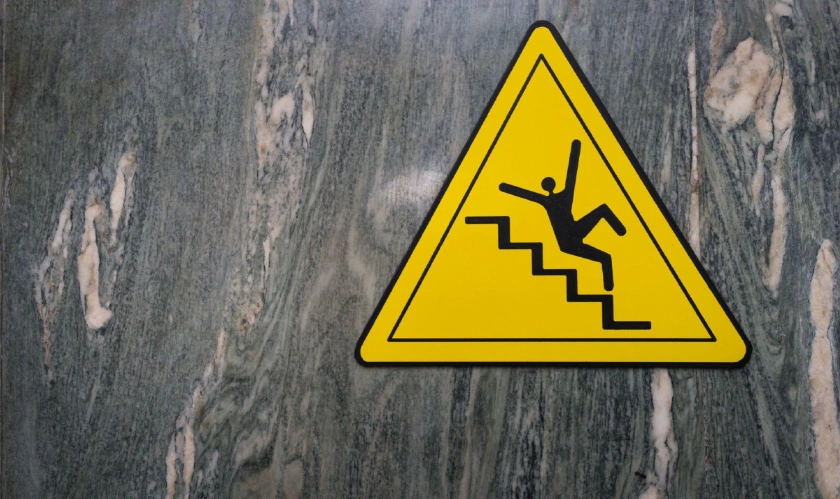
Yet people are still injured in a slip and fall accident because someone ignored that promise. A wet floor without a warning sign or a broken step left unrepaired can change everything. Justice does not begin with anger. It begins with understanding who failed to keep the property safe and what the law says about that failure.
Property accidents rarely happen out of nowhere. They grow from neglect. Water spills, loose carpets, cracked sidewalks, and staircases without proper lighting all create danger. These hazards do not need to exist, yet they remain because someone chose not to act.
Many people who are injured were simply walking through a space that should have been secure. Property owners are expected to check for dangers, repair known problems, and warn visitors if a hazard cannot be fixed right away. Reasonable care is the standard. The law does not demand perfection, but it does demand attention and effort. Ignoring clear risks crosses that line.
A fall can cause more harm than most people expect. Head injuries and concussions may require ongoing medical care. Back and spinal injuries can limit movement and make daily tasks painful. Broken bones may need surgery and long recovery periods. Soft tissue injuries often seem minor at first, yet they can cause lasting discomfort.
Medical bills build quickly. Emergency care, hospital stays, follow-up visits, therapy sessions, and medication all add up. Time away from work reduces income, and some injuries limit a person’s ability to return to the same job. Financial strain becomes part of the injury itself.
The impact is not limited to the first treatment. Pain may continue long after visible wounds heal. Medical professionals may recommend physical therapy or further evaluation to prevent long-term damage. All of this carries a cost, and that cost should not fall on the injured person if the property owner failed to act responsibly.
Premises liability is the legal rule that holds property owners responsible for unsafe conditions on their property. It is based on the duty of care. Owners and managers must keep their property reasonably safe for visitors. This includes customers, tenants, and guests who enter the space for lawful reasons.
To prove liability, certain elements must be shown:
These points form the backbone of a claim. Evidence plays a central role. Photographs of the scene, maintenance records, surveillance footage, and witness statements can all support the case.
Actions taken soon after a fall can protect legal rights. Seeking medical care should always come first because health is the priority, and medical records create important documentation. Reporting the incident to property management ensures there is an official record of what happened.
If possible, photographs of the hazard and the surrounding area help preserve evidence. Clothing and footwear worn at the time should be kept in case they become relevant. It is wise to avoid giving recorded statements to insurance companies without legal guidance because early comments can be misunderstood or used to reduce the claim.
Insurance companies often aim to limit payouts. They may argue that the hazard was obvious or that the injured person was not paying attention. A strong legal approach focuses on facts rather than assumptions. Attorneys investigate maintenance practices, review inspection records, and consult experts if necessary to explain how the hazard caused the fall.
Accurate calculation of damages includes current medical expenses and expected future costs. Lost wages and reduced earning ability must also be considered—negotiation backed by preparation signals that the claim will not disappear quietly. If a fair settlement is not offered, the case may proceed to court, where evidence can be presented before a judge or jury.
Accountability is not about placing blame for its own sake. It is about fairness. A person injured in a slip and fall accident should not have to bear medical expenses and financial losses caused by unsafe property conditions. The law provides a path to seek compensation and restore balance.
Justice begins with recognizing that safety on private property is not optional. Owners who open their doors to the public must also accept the responsibility that comes with that decision. Taking action is not aggressive; it is a lawful and necessary response to negligence. Fair treatment begins with standing firm, taking timely steps to protect your rights, and choosing to consult an experienced slip and fall attorney. When responsibility is clearly established, accountability follows—and so does the opportunity to move forward with confidence.
Injured on Someone Else’s Property? Here’s Where Justice Begins
Safety is not a favor. It is a responsibility. Every store, office building, apartment complex, and parking lot opens its doors with an unspoken promise that the space has been cared for properly. Clean floors, steady stairs, clear walkways, and working lights are not luxuries. They are basic duties.
Yet people are still injured in a slip and fall accident because someone ignored that promise. A wet floor without a warning sign or a broken step left unrepaired can change everything. Justice does not begin with anger. It begins with understanding who failed to keep the property safe and what the law says about that failure.
Property accidents rarely happen out of nowhere. They grow from neglect. Water spills, loose carpets, cracked sidewalks, and staircases without proper lighting all create danger. These hazards do not need to exist, yet they remain because someone chose not to act.
Many people who are injured were simply walking through a space that should have been secure. Property owners are expected to check for dangers, repair known problems, and warn visitors if a hazard cannot be fixed right away. Reasonable care is the standard. The law does not demand perfection, but it does demand attention and effort. Ignoring clear risks crosses that line.
A fall can cause more harm than most people expect. Head injuries and concussions may require ongoing medical care. Back and spinal injuries can limit movement and make daily tasks painful. Broken bones may need surgery and long recovery periods. Soft tissue injuries often seem minor at first, yet they can cause lasting discomfort.
Medical bills build quickly. Emergency care, hospital stays, follow-up visits, therapy sessions, and medication all add up. Time away from work reduces income, and some injuries limit a person’s ability to return to the same job. Financial strain becomes part of the injury itself.
The impact is not limited to the first treatment. Pain may continue long after visible wounds heal. Medical professionals may recommend physical therapy or further evaluation to prevent long-term damage. All of this carries a cost, and that cost should not fall on the injured person if the property owner failed to act responsibly.
Premises liability is the legal rule that holds property owners responsible for unsafe conditions on their property. It is based on the duty of care. Owners and managers must keep their property reasonably safe for visitors. This includes customers, tenants, and guests who enter the space for lawful reasons.
To prove liability, certain elements must be shown:
These points form the backbone of a claim. Evidence plays a central role. Photographs of the scene, maintenance records, surveillance footage, and witness statements can all support the case.
Actions taken soon after a fall can protect legal rights. Seeking medical care should always come first because health is the priority, and medical records create important documentation. Reporting the incident to property management ensures there is an official record of what happened.
If possible, photographs of the hazard and the surrounding area help preserve evidence. Clothing and footwear worn at the time should be kept in case they become relevant. It is wise to avoid giving recorded statements to insurance companies without legal guidance because early comments can be misunderstood or used to reduce the claim.
Insurance companies often aim to limit payouts. They may argue that the hazard was obvious or that the injured person was not paying attention. A strong legal approach focuses on facts rather than assumptions. Attorneys investigate maintenance practices, review inspection records, and consult experts if necessary to explain how the hazard caused the fall.
Accurate calculation of damages includes current medical expenses and expected future costs. Lost wages and reduced earning ability must also be considered—negotiation backed by preparation signals that the claim will not disappear quietly. If a fair settlement is not offered, the case may proceed to court, where evidence can be presented before a judge or jury.
Accountability is not about placing blame for its own sake. It is about fairness. A person injured in a slip and fall accident should not have to bear medical expenses and financial losses caused by unsafe property conditions. The law provides a path to seek compensation and restore balance.
Justice begins with recognizing that safety on private property is not optional. Owners who open their doors to the public must also accept the responsibility that comes with that decision. Taking action is not aggressive; it is a lawful and necessary response to negligence. Fair treatment begins with standing firm, taking timely steps to protect your rights, and choosing to consult an experienced slip and fall attorney. When responsibility is clearly established, accountability follows—and so does the opportunity to move forward with confidence.



















































 consultants ltd.jpg)


