
Home Industry Market analysis Will Declining Geopolitical Te...
CIO Bulletin
,
27 July, 2026
Author:
Ravathi Sunil
Temporary pause in military strikes offers temporary relief for international energy markets.
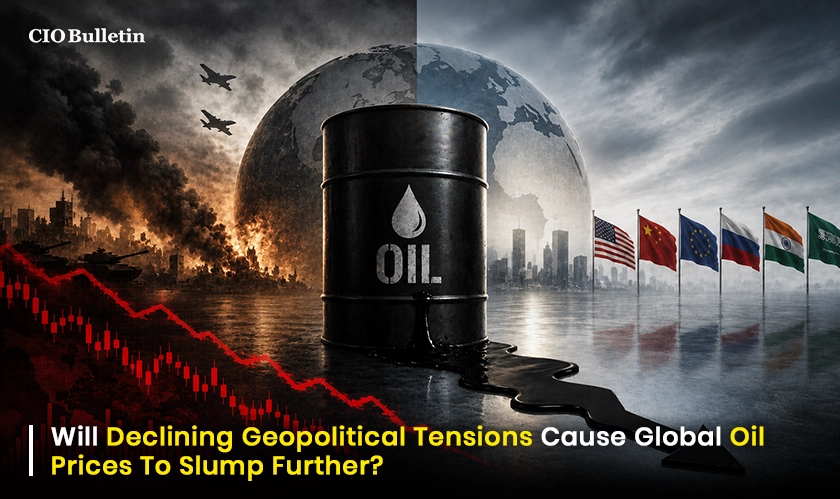
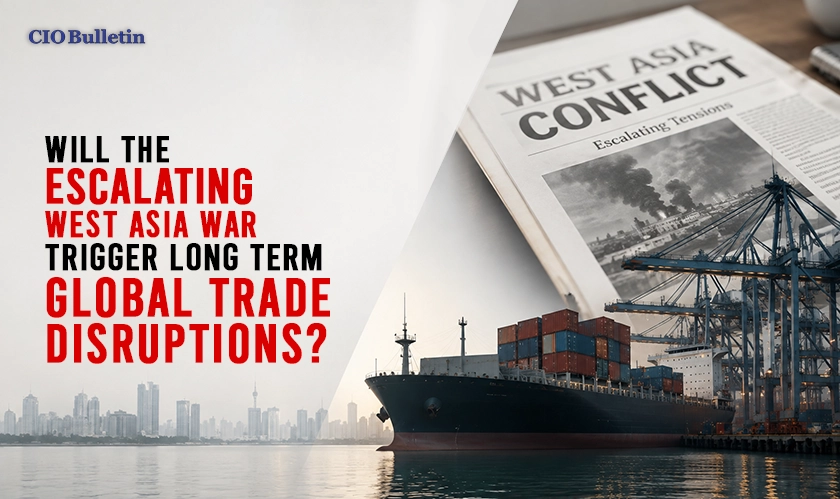
Financial markets experienced a dramatic shift as international benchmark crude values retreated following a two-day pause in military actions across the Persian Gulf. Market analysts at CIO Bulletin observe that global oil prices dropped significantly after the United States and Iran refrained from launching further military strikes in the region. September Brent crude futures fell sharply to ninety-two dollars per barrel after briefly reaching multi-month highs last week. The temporary ease in geopolitical friction provided immediate relief to volatile commodity trading floors worldwide.
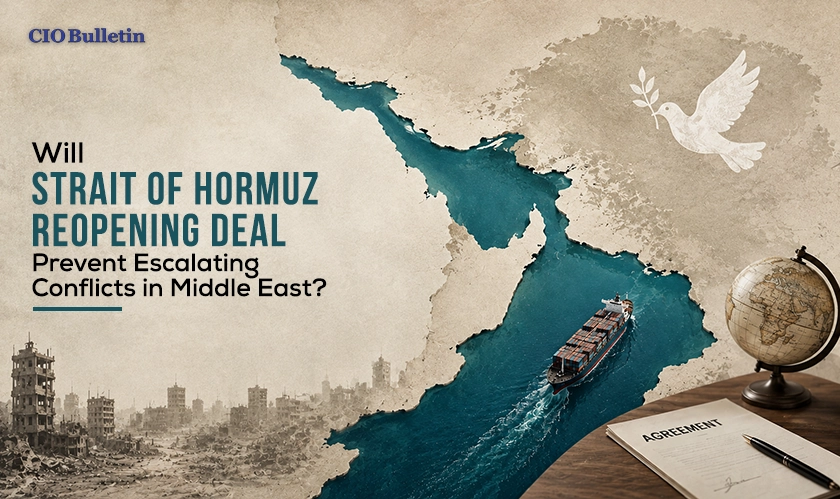
Could this temporary pause in Middle East hostilities lead to long-term stability for worldwide energy consumers? It is imperative to note that the Persian Gulf is still a vital marine route, and twenty percent of oil imports travel through the Strait of Hormuz. Earlier escalations by the armed forces were responsible for stopping the movement of ships, causing increased shipping rates and inflation concerns.
Regarding the broader market outlook, Westpac Head of Financial Markets Strategy Martin Whetton stated, "It would have to actually be a lasting peace to change things."
Reduced immediate threat of supply chain disruptions in the vital Strait of Hormuz shipping lane.
Easing pressure on consumer fuel costs and transportation expenses for global commercial logistics.
Shifting inflation expectations that influence future central bank interest rate decisions
Continued uncertainty surrounding long-term diplomatic agreements between major international powers.
Energy specialists monitoring trends for CIO Bulletin note that despite recent price drops, underlying market fragility persists. Retail fuel prices have also stayed high compared to prior years, adding to consumer uncertainty. In addition to this, the markets have been following the possible interest rate hikes of central banks worldwide in an effort to combat inflationary pressure. While the recent diplomatic pause has granted temporary relief to global markets, long-term stability depends heavily on permanent diplomatic resolutions along critical energy supply routes.
Everything you need to know about this news
Values declined after military actions paused in the Persian Gulf, reducing fears of immediate oil supply disruptions.
It serves as the main transit route for nearly twenty percent of worldwide crude oil shipments daily.
Elevated fuel expenses increase shipping and manufacturing costs, driving up retail prices for general consumer goods.
Persistent inflationary pressures from energy costs often prompt central banks to consider higher interest rate policies.
Market experts caution that lasting stability requires formal, permanent diplomatic agreements across key producing regions.















































 consultants ltd.jpg)


Comments