
Home Industry Media and entertainment Why Enterprise Leaders Are Shi...
CIO Bulletin, 19 November, 2026
Author:
CIO Bulletin Team
Every single day, there are millions of enterprise PDFs downloaded across corporate networks only to sit unread inside forgotten browser tabs. Boards, investors, and enterprise buyers rarely make high-stakes decisions from a dense 60-page slide deck anymore. Instead, leadership teams are turning to narrative-driven video to move capital, align global staff, and close complex deals.
You will see exactly why traditional reporting fails modern attention spans, how cinematic production builds institutional trust, and what frameworks top executives use to deploy visual communications.
Dense white papers and quarterly PDFs were built for an era when corporate information moved slowly. Today, an executive reading a text-heavy document struggles to extract the strategic core before the next meeting begins.
Static files force readers to do all the cognitive heavy lifting on their own. Without vocal inflection, pacing, or visual hierarchy, critical market insights flatten into monotonous walls of gray text.
Modern stakeholders consume complex market analysis the same way they consume high-end documentary media. When a CEO presents a turnaround strategy on camera, body language and visual framing carry weight that bullet points cannot replicate.
The stakes climb much higher in a bustling and competitive market like the Magic City. Capturing genuine attention requires more than standard camera work and basic editing.
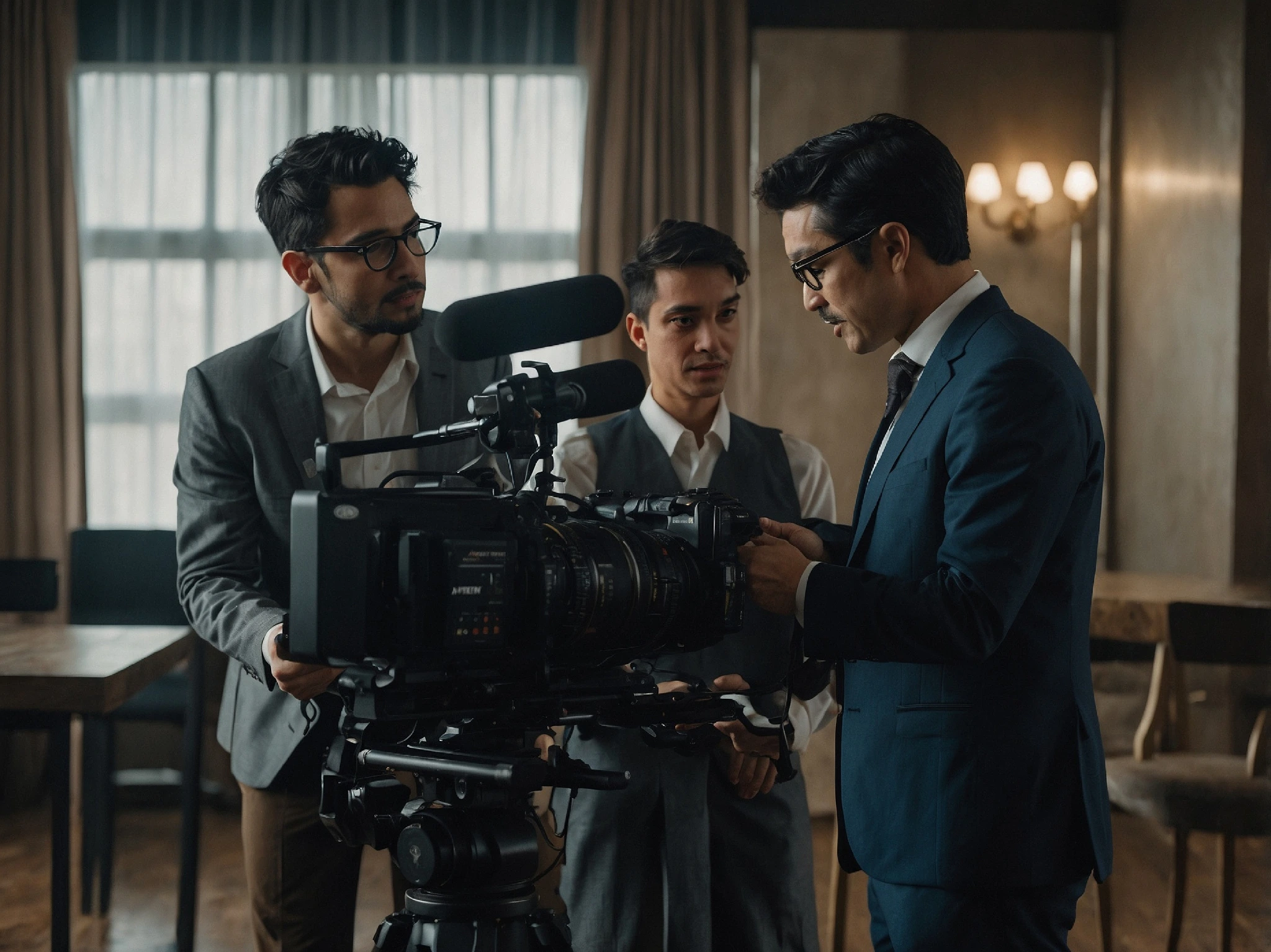
Forward-thinking leadership teams increasingly partner with specialists in Miami commercial video production to translate dense operational milestones into compelling visual narratives. Professionally produced videos do not just drive audience engagement; they authentically represent your brand identity and inspire lasting trust.
Here is how cinematic execution changes stakeholder comprehension:
A strong visual narrative removes ambiguity before questions even arise. Stakeholders walk away aligned on the strategic direction rather than debating the footnotes.
Numbers alone rarely persuade a skeptical buying committee or an anxious investor group. Data provides the logical foundation, yet story architecture supplies the emotional conviction required to authorize seven-figure budgets.
Cinematic storytelling organizes corporate information into tension, insight, and resolution. By framing a quarterly challenge as a clear operational arc, leaders help audiences feel the stakes behind the spreadsheets.
Consider a B2B software provider pitching a legacy logistics enterprise on a supply chain overhaul. A static slide showing a 14 percent drop in route efficiency registers as just another chart, whereas filming a regional dispatch manager walking through a delayed loading dock makes the operational bottleneck visceral.
Once leadership sees the human cost of the friction on screen, approving the budget becomes an obvious business imperative.
Enterprise software and service buyers face immense career risk when signing multi-year contracts. Generic text brochures look identical across vendors, especially as automated writing tools flood every inbox with indistinguishable sales collateral.
Modern B2B marketing trends highlight how enterprise buyers rely on human-led visual assets to verify vendor competence and avoid costly buyer's remorse. Seeing real engineers, founders, and customers speak candidly on screen establishes immediate proof of capability.
A written case study can claim a platform saved a client millions in logistics overhead. Showing the actual warehouse floor while an operations director explains the workflow transformation makes that claim undeniable.
Enterprise deals rarely close with a single decision-maker. A crisp three-minute executive briefing video travels easily across Slack channels and boardrooms, letting internal champions sell your vision when you are not in the room.
Investor relations teams have started abandoning stiff, scripted audio calls in favor of dynamic visual broadcasts. Companies like Spotify, Netflix, and T-Mobile have experimented with direct-to-camera earnings updates and livestreams to make financial performance accessible.
Spotify co-head of global communications Grey Munford famously challenged his team by asking why quarterly updates had to be boring. Replacing dry transcripts with conversational video lets leadership control tone and context directly.
Skeptics often view cinematic corporate production as a vanity expense rather than a revenue driver. Hard performance metrics tell a completely different story across enterprise funnels.
According to recent industry data on interactive videos, narrative and interactive formats drive 66% higher engagement rates and up to triple the conversion rates of static assets. For enterprise leaders, those numbers translate directly into shorter sales cycles and higher investor retention.
Treating video as a one-off annual project wastes its true strategic potential. The most agile enterprises build repeatable production workflows that feed executive insights directly into social and internal channels.
But again, distributing your visual assets requires picking the professional networks where decision-makers actually spend their time. Findings from the 2026 State of Video Report reveal that 8 in 10 teams name LinkedIn as their primary B2B video channel, while over a third already integrate AI tools into production. The likes of X or IG and TikTok are not to be overlooked either.
Because these files now share as easily as a text link, your team can push updates across multiple channels instantly. Making video a standing operational habit ensures your leadership voice stays visible every week rather than once a quarter.
And the good thing is, video production is becoming increasingly easier. Numerous tools are now more accessible to those with the time and creative juice to put together an impactful clip. Panasonic’s 2026 NAB Show particularly brought this to light as they showcase AI-powered cameras, automated production tools, and connected AV workflows pretty well in Las Vegas.
Transitioning away from static reports does not require turning your C-suite into full-time actors. Start by identifying the single highest-leverage communication bottleneck in your organization, whether that is investor onboarding, enterprise sales enablement, or quarterly all-hands alignment.
Pair your sharpest subject matter experts with a disciplined production crew that understands corporate pacing.
If you want to explore practical frameworks for structuring executive scripts, browse articles on PR and B2B brand storytelling strategies to map out your first quarter of visual releases.

















































 consultants ltd.jpg)


Comments