
Home Industry Oil and gas Oil giants drill into deeper w...
CIO Bulletin
,
03 July, 2023
Author:
CIO Bulletin Team
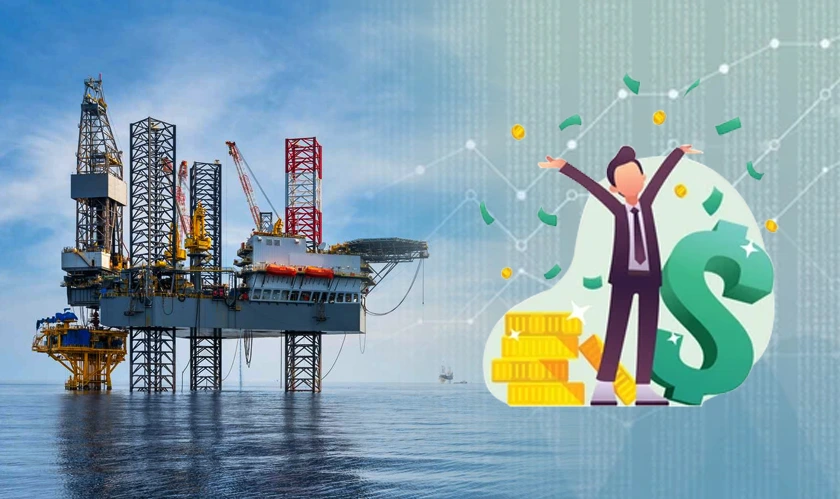
Oil and gas firms have intensified the search for new deposits in a long-term bet on demand.
According to data and oil industry executives, these firms are reinvesting some of the record profits from the fossil fuel price surge driven by the Ukraine war into this effort.
After Shell and BP broke their promises to cut production and invest in renewable energy as part of the energy transition, there has been a renewed interest in oil and gas, as evidenced by the revival of exploration on the part of European majors in particular.
It does so in response to pressure from the majority of investors who would prefer to invest in higher-margin renewable energy companies than to maximize their oil and gas profits.
For BP, which fired the majority of its exploration unit's staff three years ago, the renewed interest in oil and gas reserves and production represents a significant turnaround.
Exploration is a high-risk, long-term endeavor. Large-scale offshore projects generally take five years to complete from the time they are discovered and at least another ten years to pay off the initial investment.
The returns on upstream oil and gas have typically ranged from 15% to 20%, whereas the majority of renewable energy projects have only produced up to 8%.
An examination of data from oil services company Baker Hughes revealed that the quantity of offshore drilling vessels used to explore for and produce oil and gas increased by 45% from October 2020 lows in May to pre-pandemic levels.
According to Wood Mackenzie analysts, activity will continue to rise, with offshore exploration and drilling expected to increase by 20% by 2025.
With international oil companies concentrating on the more expensive but more lucrative deepwater developments, Wood Mackenzie estimates that up to $185 billion will be committed to the development of 27 billion barrels of oil reserves.
Additionally, it was predicted that through 2027, 75% of the demand for floating rigs would come from the so-called Golden Triangle, which includes the U.S. Gulf of Mexico, South America, and West Africa, as well as a portion of the Mediterranean.


















































 consultants ltd.jpg)


