
Home Platforms Others Is the Strait of Hormuz Crisis...
CIO Bulletin,
25 June, 2026
Author:
Gayathri Sr
Tehran issues a severe warning to unapproved vessels as commercial traffic struggles to recover in the world’s most critical energy chokepoint.
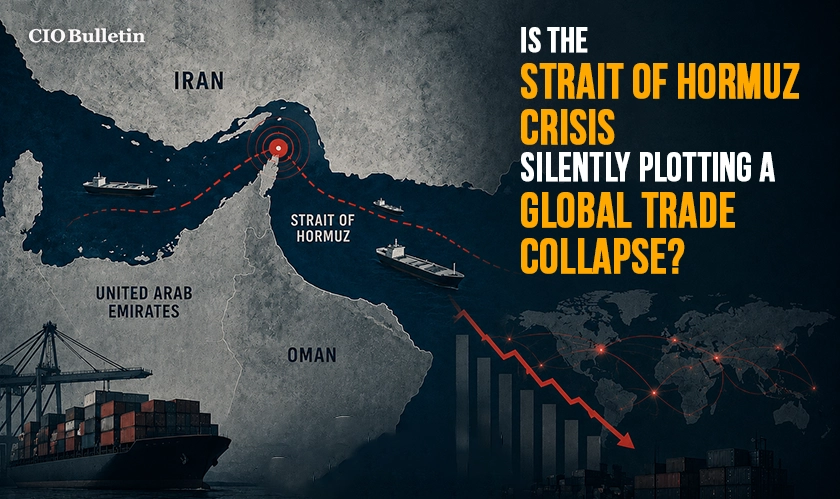
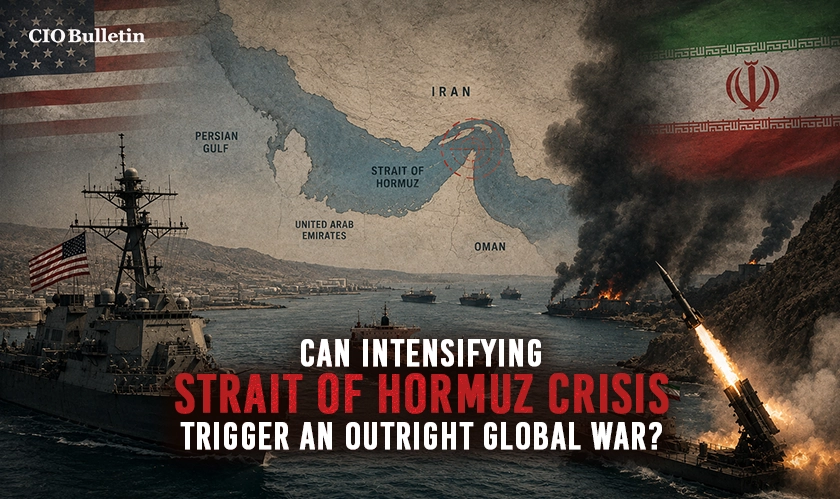
Could the Strait of Hormuz crisis be on the verge of sparking another massive global supply chain disaster? Just days after a hopeful interim agreement between the U.S. and Iran, Tehran’s Islamic Revolutionary Guard Corps (IRGC) has issued a terrifying new ultimatum to the maritime world.
According to Iranian state media, the IRGC Navy made its position crystal clear. Ships must use only the routes designated by Iran. Every vessel entering the strait must contact Iranian naval forces on a specific communication channel before proceeding.
“Navigation outside these routes is highly dangerous and prohibited, and we warn all vessels to strictly avoid any movement outside the designated corridors,” the IRGC Navy stated.
They are declaring that any ships navigating newly proposed transit routes without Iran’s explicit blessing are sailing into extreme danger. The warning came just days after a major naval information group suggested an alternative southern route through Omani waters, which had been confirmed clear of mines.
The Strait of Hormuz is not just another shipping lane. Roughly one-fifth of the world's oil supply passes through this narrow chokepoint every single day. When tensions rise here, fuel prices around the world feel the impact.
As reported by CIO Bulletin, the situation remains fluid and unpredictable, with ship-owners treading carefully despite recent diplomatic gestures.
Shipping traffic tripled last weekend compared to the previous week, reaching 93 transits
Tuesday saw 31 verified crossings by commercial and energy vessels
Traffic remains far below pre-war levels, when over 100 ships passed through daily
The U.S. Treasury sanctioned Iran's Persian Gulf Strait Authority in May
Treasury Secretary Scott Bessent warned Washington would aggressively target any actors attempting to toll ships
Helima Croft, head of global commodity strategy at RBC Capital Markets, offered a sobering assessment.
“Any end to the conflict that leaves Iran exercising operational control and influence over the Strait will result in appreciably lower flows through the waterway in our view,” Croft told clients in a note on Thursday.
Her words underscore a troubling reality. Even if diplomatic talks succeed, the Strait of Hormuz crisis could permanently reshape how oil moves around the world.
Everything you need to know about this news
Approximately 20 percent of the world's oil passes through this narrow waterway. Any disruption here can cause fuel prices to spike worldwide within hours.
Iran has threatened enforcement action against vessels that do not coordinate with its naval forces. The exact nature of this enforcement remains unclear, adding to shipping industry anxiety.
Despite the memorandum of understanding signed last week, shipping traffic remains well below normal levels. Operators are moving cautiously rather than returning to business as usual.
Absolutely. Any prolonged disruption to Hormuz shipping would likely increase oil prices globally, affecting everything from petrol costs to household energy bills.
Shipowners are using a mix of Iranian, Omani, and International Maritime Organization route patterns. Many are hedging their bets rather than committing to any single corridor.


















 consultants ltd.jpg)


Comments