
Home Industry Renewable energy What to Consider Before Heat P...
CIO Bulletin
,
25 February, 2026
Author:
CIO Bulletin Team
The installation of a heat pump ensures energy efficiency and comfort in homes. The best results come from carefully considering the factors before making a decision. Every property has its own needs, and knowing the system provides the best performance and value.
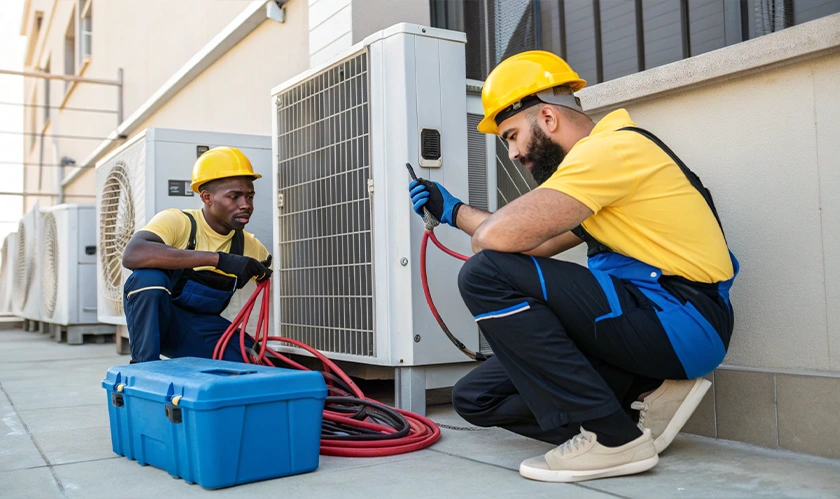
A heat pump doesn't suit every home equally, so assess insulation, window performance, and any existing ductwork first to confirm space. Heat pumps efficiently heat homes with good insulation that traps conditioned air inside. Older buildings that lack adequate insulation may need upgrades before a new system is installed. Heat pump installation in St. Louis can make installation easier and avoid surprises down the road after assessing the structure.
Heat pump performance is largely dependent on the local climate. These heat pump systems function best in mild weather conditions. In some very cold regions, they may need to have auxiliary heat in the winter. Knowing the average seasonal temperatures is a good start in determining whether a standard model or a specialized unit works best within the home.
This comparison of consumption for various models is beneficial for consumers. A higher rating means they cost less to run and consume less energy. Selecting a well-rated system leads to lower energy bills and a reduced environmental impact.
Choosing the right size is the key factor in the heat and cold. Undersized systems are unable to deliver comfort and waste energy. This includes square footage, ceiling height, and insulation, which are necessary to assess the right amount of capacity. Precision sizing implies more stable and even indoor temperatures and a longer life for your equipment.
Proper placement of both indoor and outdoor units is important for efficient working. Putting the outside unit in a shaded and well-ventilated area minimizes pressure and sound. Providing adequate distance from barriers like walls and plants allows for good air movement. If inside, running this unit on a wall or in a hall helps to provide distribution. Strategic installation will return the favor with comfort and efficiency.
Many of the heat pumps (six generations back or more) produce significant noise throughout your home while generating heat, particularly during startup and shutdown cycles. Manufacturers often provide decibel ratings, so always check them to select quieter units.
Budget beyond the initial purchase for the long-term expenses. Installation can vary in price, depending on house size, system type, and modifications. You should also consider regular maintenance, filter changes, and some repairs. Gain an investment-related “bottom line” by comparing warranty choices and evaluating the total lifetime cost.
All heat pumps require regular maintenance to operate reliably and avoid breakdowns. All you need to do is clean your filters, check the coils, and verify the refrigerant. Schedule professional inspections at least once a year to keep the system functioning efficiently. With regular maintenance, you can increase the lifespan of the equipment and sustain energy savings.
Heat pumps utilize electric energy that minimizes emissions and is compatible with green living. Homeowners reduce energy costs and carbon emissions by selecting high-efficiency models. Using renewable energy sources to power the system will provide even greater benefits to the environment.
Warranty coverage provides convenience for unforeseen repairs. Checking the stipulation, time frame, and solutions supplied for future purposes. Reliable customer support and accessible service networks are beneficial for continued comfort. So, great warranty coverage and responsive service teams make exposure sound more like an investment.
Proper planning before installing a heat pump pays dividends in the long run, providing years of comfort, financial savings, and reduced environmental impact. With attention to property needs, climate, and energy use, homeowners can reap the benefits of heating and cooling efficiencies for decades. A good experience with any new system is supported with professional advice, adequate maintenance, and good decisions.




















































 consultants ltd.jpg)


