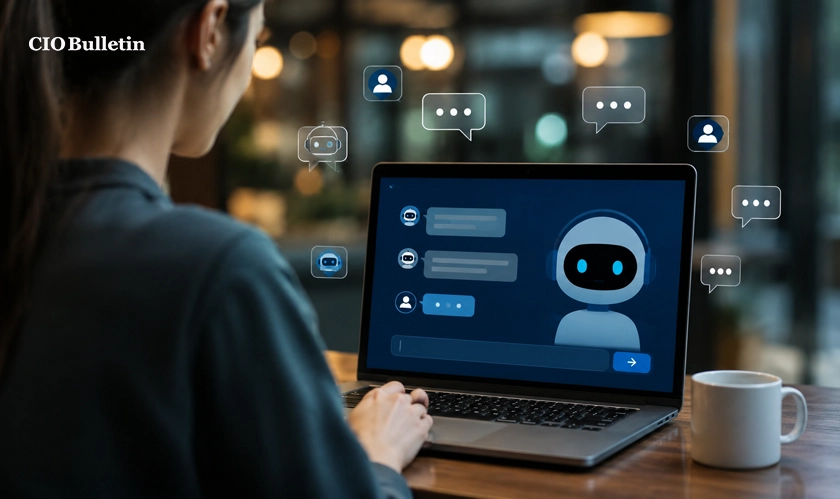
A chatbot refers to a software program designed to emulate human conversation through text or voice inputs. Essentially, the system is just like an artificial assistant that takes in queries made by users on various digital platforms and responds with pertinent answers in real time.
How Chatbots Have Evolved
1960s – 1980s (Basic Pattern Matching): Early attempts, such as ELIZA, used rigid keyword patterns and simplistic rules. The slightest deviation of input away from one of the predefined sentence structures was met with immediate failure.
2010s (Menu-Driven Decision Trees): With the opening of messaging APIs, rule-based decision trees that clicked through menus became prevalent. While great for standard tasks that required no deviation, they were extremely robotic when users needed some freedom.
Late 2010s – Early 2020s (Intent-Driven AI): The emergence of Natural Language Processing (NLP) made software able to understand intent and particular context. Bots became capable of handling typos, regional vernacular, and variations of sentence structures.
Present Day (Generative & Agentic AI): The usage of large language models enables contemporary setups to have fluid human-like dialogues, process technical documentation in real-time, and run multistep workflows in external business applications.
How Do Chatbots Work?
All chatbots work using the same simple cycle: They take input from users, determine what those users are asking for, retrieve the proper data from their integrated systems, and formulate an intelligent reply.
Whenever a user types a message, the system works by first analyzing the text-based input, extracting relevant information, comparing the query against existing topics or knowledge base articles, and determining the course of action based on the result—answering the question, asking another question, or making an API request to modify a customer record.
Key Technologies Behind Modern Chatbots
NLP, Machine Learning, and Large Language Models
Natural Language Processing (NLP): The big umbrella of computer science responsible for enabling the ability of software programs to parse and structure natural human language.
Machine Learning (ML): A set of algorithms enabling a system to recognize patterns in conversation logs and improve with each experience, rather than requiring the writing of new rules by a human programmer for each possible scenario.
Large Language Models (LLMs): Huge neural network models trained on large text data sets. They facilitate the Natural Language Generation (NLG) functionality, allowing the system to produce on-the-fly custom human-readable sentences, instead of choosing sentences out of predefined templates.
Types of Chatbots
Rule-Based Chatbots
They are also known as “scripted bots,” which operate using basic “if/then” programming only. User interaction with the chatbot is performed either via clicking predefined buttons or typing predefined words.
Advantages: It is cheaper to develop, totally predictable, and has no chance of hallucinating facts.
Drawbacks: They are extremely inflexible. If a person asks a very simple question in the wrong way, the bot will get into an endless error loop.
Best application scenario: routine questions, store lookup, and yes/no decisions.
AI-Powered and Generative AI Chatbots
These make use of NLU engines and language models to process the open-ended queries. They have the ability to keep track of context in long conversations, recognize the sentiment of users, and even provide responses for complicated multi-component queries.
Strengths: Skillful in terms of flexibility, natural conversation, unexpected query processing, and improving on its own by using data.
Weaknesses: May need regular governance and good quality data to provide accurate responses.
Best use case: Useful for tier one and two customer support, virtual salespeople, and technical troubleshooting.
Chatbots vs Conversational AI vs AI Agents
Simple chatbots: Based on decision trees or keyword-based rules. Show you some links or canned responses, no autonomy, rigid adherence to a hard-coded path (e.g., "Click here to see our business hours").
Conversational AI: Powered by NLP, NLU, and LLMs, engages in natural, multi-turn conversation. Provides dynamic answers based on enterprise knowledge databases (e.g., "Tell me more about your international returns policy").
Autonomous AI agents: Based on reasoning models linked to functional software APIs. Perform goal-directed multi-step problem solving and do work across different systems automatically (e.g., "I want to cancel my subscription, issue a refund, and change my email address").
Why Are Chatbots Important for Businesses?
Expectations with regard to speed have changed radically over the last few years. Today's customers are not prepared to be kept waiting on hold for twenty minutes or receive an email answer two business days after asking about their order.
Chatbot solutions for businesses help businesses separate their support capabilities from growing staff numbers. No need for large seasonal teams to work through peaks during busy seasons, when software is used to address routine questions and specialist support takes care of complicated issues.
Key Benefits of Chatbots
Customer Service and 24/7 Support
Immediate Response Time: Reduces the response time to zero seconds, thereby avoiding the need for customers to wait in support queues outside normal working hours or during sales pushes.
First-Time Contact Resolution: Immediately resolves common queries such as account balance checks, order tracking, password resets, etc., without any human assistance.
Easy Scalability: Easily handles the spike in traffic during product launches or during sudden service outages without affecting the performance and service delivery.
Language Support: Provides instant translation of queries in numerous languages, eliminating the requirement of dedicated support staff in each geographic market.
Sales, Marketing, and Lead Generation
Active Engagement: Targets high-intent website visitors by their scroll depth or page views of price pages before they abandon your site.
Better Lead Qualification: Asks qualification questions right from the start so that you can send valuable sales leads directly to your appropriate account executive.
Cart Recovery: Reminds the customer with automated web chat or messenger if he/she abandons shopping midway.
Chatbot Use Cases Across Industries
Different sectors deploy conversational tools to solve distinct operational bottlenecks. E-commerce brands streamline shopping journeys, healthcare providers simplify patient intake, and corporate IT teams eliminate manual internal support tickets.
Chatbots in E-Commerce
Personalized Recommendations: Provides buyers with product recommendations through a chat interface after collecting preferences through a series of questions asked during a chat session.
Self-Serve Order Status: Allows customers to view order status, change addresses, and print return labels in chat.
Checkout In-Chat: Integrates with payment providers for a seamless checkout experience in the same chat window.
Chatbots in Healthcare and Education
Applications in Healthcare:
Triage for Patients: Facilitates initial screening for symptoms and redirects the patient towards proper healthcare solutions or urgent care facilities nearby.
Services: Interfaces with medical calendar systems that allow patients to schedule, change, or cancel their appointments without having to call the clinic.
Applications in Education:
Admission Queries: Handles inquiries from prospective students regarding application periods, necessary paperwork, campus accommodation, and financial aid.
24/7 Learning Assistance: Serves as an efficient virtual tutor for students who need help understanding difficult topics or doing exercises from class.
Chatbots for Internal Business Operations
IT Helpdesk Automation: Helps automate mundane technical requests such as software authorization, Wi-Fi password lookup, and initial hardware troubleshooting procedures.
HR Assistance: Allows employees easy access to information related to PTO balances, health insurance plans, and company policies.
Financial Process Automation: Makes internal administrative processes easier by allowing staff to easily submit expense reports and check purchase order approval status.
How Businesses Can Implement a Chatbot
Define Specific Goals: The goal needs to be specific, like solving a particular problem or reducing ticket volume by 30% or response time to under one minute.
Survey Customer Journeys: Support logs and CRM tickets need to be reviewed to determine the top 20 queries that customers have.
Connect All Your Systems: Connect the platform to your CRM, inventory database, and other internal knowledge bases so that it can provide actual answers instead of general ones.
Safety Guardrails: Define safety guardrails such as clearly specifying the instances when it should transfer the conversation to a human agent.
Testing and Optimization: Interact with actual users, analyze all unanswered questions, and continuously update your training documents.
Choosing the Right Chatbot Platform
Code Visual Builders: Programs such as ManyChat and Tidio can work effectively for smaller marketing departments that are looking for drag-and-drop visual conversational flows for social media and basic website messaging.
Integrated Service Platforms: Ecosystems such as Intercom, Zendesk, and Freshchat integrate live chat, ticketing systems, and artificial intelligence tools into one interface and work well for mid-market customer support operations.
Enterprise AI Suites: Platforms like Kore.ai or Botpress give engineering teams a great deal of customization opportunities along with security measures and workflow orchestration capabilities.
Considering the specific operational needs in relation to the best chatbot platforms for businesses will ensure that you do not spend extra money on enterprise solutions that you will never use or get locked into a low-end solution that you will not be able to scale. When making decisions about the choice of software solutions, many people analyze top business chatbot platforms based on integration capability, cost of ownership, and security compliance. The best business chatbot software is one that can efficiently manage regular inquiries and provide human agents with seamless transitions when necessary. Modern chatbot platforms for businesses should grow alongside your company without requiring complete engineering overhauls.
Chatbot Integrations and Data
CRM (Salesforce, HubSpot, Zendesk): Captures the transcript of the conversation and updates customer information, as well as sending the leads to sales team members.
ERP and inventory database: Verifies inventory information in realt ime, verifies order numbers, and tracks the delivery process.
Payment Processing Gateways: Provides seamless payment processing in the chat interface.
Challenges and Limitations of Chatbots
Hallucination: Generative models can sometimes provide false information as facts. This can be controlled by maintaining updated and accurate knowledge bases and proper guardrails around the systems.
Coping with Complex Emotions: The software finds it hard to deal with customers’ frustration, sarcasm, and other complex emotions which call for human empathy.
Awkward Transitions Between Agents: When bots pass on chats to human agents without sharing any information about the ongoing conversation, customers feel compelled to repeat themselves.
Chatbot Security, Privacy, and Governance
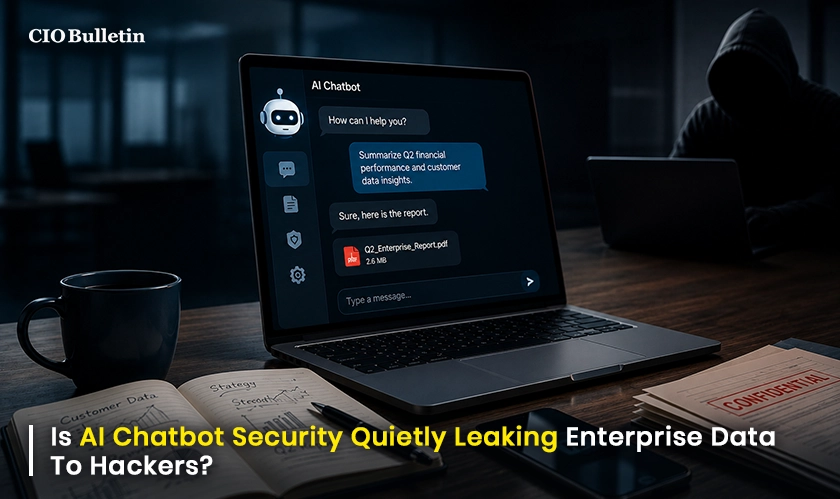
Data Protection (GDPR, CCPA, and HIPAA): Make sure that your system processes, sanitizes, and encrypts personal identification data in accordance with global data protection laws.
Bot Deflection from Exploitative Input: Configure input filters in your system so that any malicious user is unable to deceive the bot and make it violate internal policies.
Access Rights Configuration: Limit access rights of your chatbot so that it accesses only the necessary documents and account information for the user you serve.
How to Measure Chatbot Performance
Containment Rate: The proportion of conversations that are successfully managed end-to-end without the intervention of a live team member.
Fallback Rate: Proportion of cases in which the chatbot could not understand the question and sent a fallback error response.
Human Escalation Rate: The number of times conversations have to be escalated to human agents because of complicated requests.|
CSAT Score: Customer satisfaction scores received directly from customers immediately after the chat conversation ends.
Cost per Interaction: Total operating costs of the system/total number of chats.
The Future of Chatbots in 2026 and Beyond
Automated Processing: Conversational technology is going way beyond question-answer machines and becoming agents that will take complex tasks, divide them into smaller processes, and execute these tasks autonomously without the involvement of any human.
Multimodal Engagement: Users will be free to integrate their voice commands along with screenshots and even live videos in one single thread.
Low Resource Local Models: Hyper-efficient local AI models will be available to users that respond instantly and preserve user privacy at the same time.
Conclusion
Chatbots have developed from simple widgets on websites to operational assets for today’s businesses. By integrating natural language processing with solid database integrations, businesses will be able to provide prompt, context-aware help at scale across all digital channels.
This requires achieving the proper balance between automation and human involvement. Businesses that use clear, secure, and properly integrated tools while ensuring human experts are available for challenging queries will reduce their costs, increase their sales, and improve customers’ daily experience.
Frequently Asked Questions
Everything you need to know about this news
A traditional chatbot follows rigid, pre-programmed decision trees and relies on users clicking specific buttons or typing exact keywords. An AI chatbot uses Natural Language Processing (NLP) to read open-ended sentences, understand context, and generate fluid, conversational responses dynamically.
No. Chatbots excel at handling routine, repetitive Tier-1 support questions (like tracking packages or checking business hours). This frees up your human support agents to focus on complex troubleshooting, sensitive customer issues, and high-value relationship building.
Companies use Retrieval-Augmented Generation (RAG) to restrict the bot's answers strictly to verified facts found within uploaded knowledge base documents, backed up by strict system prompts and security guardrails.
Costs vary based on scope. Simple visual-builder tools start at $20–$100 per month, while comprehensive integrated platforms run several hundred dollars monthly. Custom enterprise setups with deep internal system integrations require larger upfront engineering investments.
A regular chatbot primarily finds and presents information to the user. An autonomous AI Agent takes direct action, using software APIs to process refunds, update account details, or rebook appointments without human assistance.


















































 consultants ltd.jpg)


Comments