
Home Technology Security Can Strait of Hormuz Proposal ...
CIO Bulletin
,
14 September, 2026
Author:
Ravathi Sunil
Diplomatic talks between regional Gulf powers stumble after a key summit is delayed while fresh attacks across vital maritime choke points threaten crude supplies.
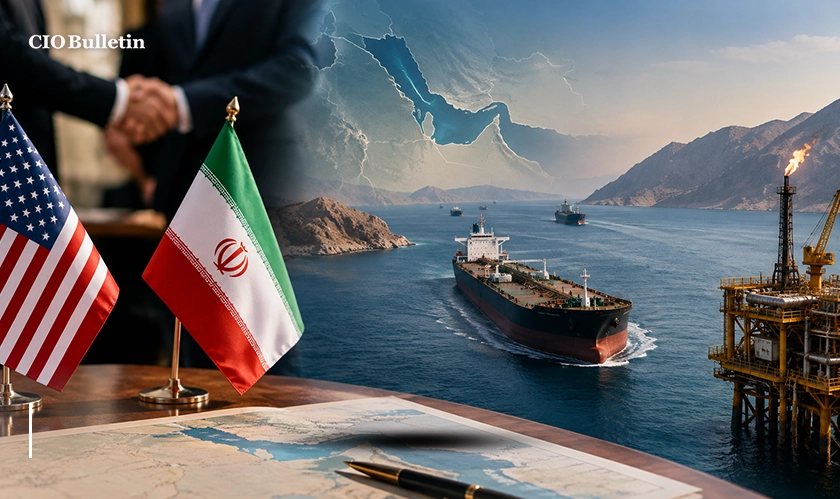
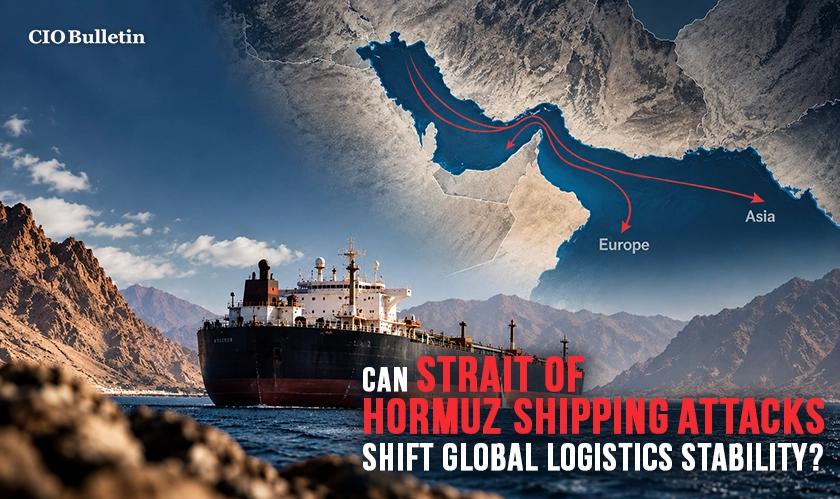
Strait of Hormuz proposal diplomacy faced a major setback following the unexpected postponement of high-level regional talks intended to govern commercial transit through vital Persian Gulf waterways. Industry assessments compiled by CIO Bulletin indicate that diplomatic efforts faltered as regional nations sought greater consensus before reviewing transit agreements. With crucial energy bypass pipelines offline and commercial shipping vessels suffering fresh projectile strikes, global oil markets confront compounding supply vulnerabilities.
The abrupt postponement of regional summits underscores how precarious the framework of maritime security is in Middle Eastern waterways. As the flow of tankers via vital straits sharply declines, energy experts have issued warnings that such diplomatic stalemates will worsen price fluctuations globally. Can multilateral mediation restore safe passage through critical sea corridors before global energy reserves drop to critical thresholds?
Explaining the official reason behind delaying the regional summit, Oman Foreign Minister Sayyid Badr Albusaidi stated:
"It has been decided to postpone to a later date the regional meeting that was to be held on Monday in Salalah, in order to create conditions conducive to a constructive dialogue."
In addition to that, the ripple effects of delayed maritime negotiations reach far into international supply chains, whereby the leading regional energy producers struggle with closed-down pipelines and the persistent security challenges they face compel the global shipping industry to deal with increasing risks associated with rising costs of freight insurance and other uncertainties. In view of this growing problem, the importance of analyzing maritime logistics risks by business risk managers cannot be overemphasized.
Everything you need to know about this news
Regional mediators postponed the diplomatic gathering to allow participating Persian Gulf nations more time to establish consensus on proposed maritime governance frameworks.
Because a substantial portion of global petroleum supplies passes through the strait, shipping delays and security threats immediately reduce market availability and push crude prices upward.
Exporters rely on overland bypass pipelines to reach alternate ports, though pipeline disruptions force ships into much longer, more costly detours around major continental capes.
Shipping companies are adjusting transit schedules, acquiring elevated maritime insurance coverage, or rerouting vessels away from high-risk choke points to safeguard crews and cargo.
Neutral regional nations facilitate indirect diplomatic dialogue, attempting to draft mutually acceptable maritime protocols that keep commercial trade routes open during broader regional conflicts.














































 consultants ltd.jpg)


Comments