
Home Technology Security Can the US and Iran Resolve Th...
Security
CIO Bulletin,
24 June, 2026
Author:
Ravathi Sunil
The dispute highlights growing uncertainty around Iran’s nuclear programme and the strategic importance of Hormuz.
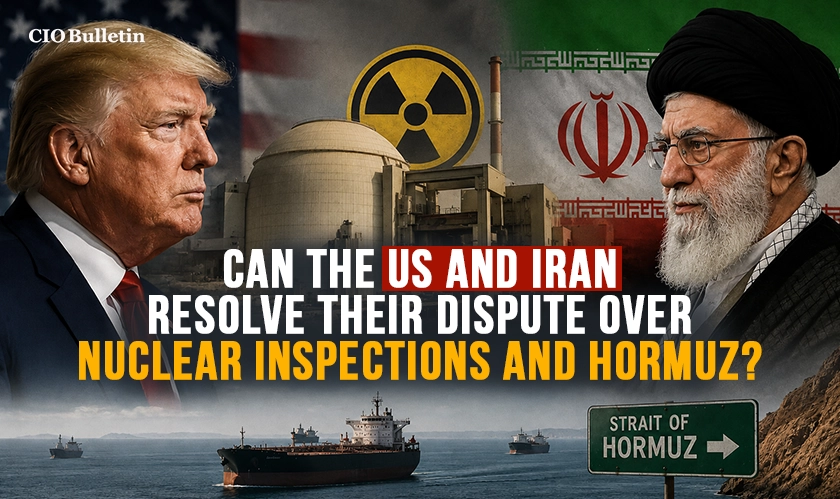
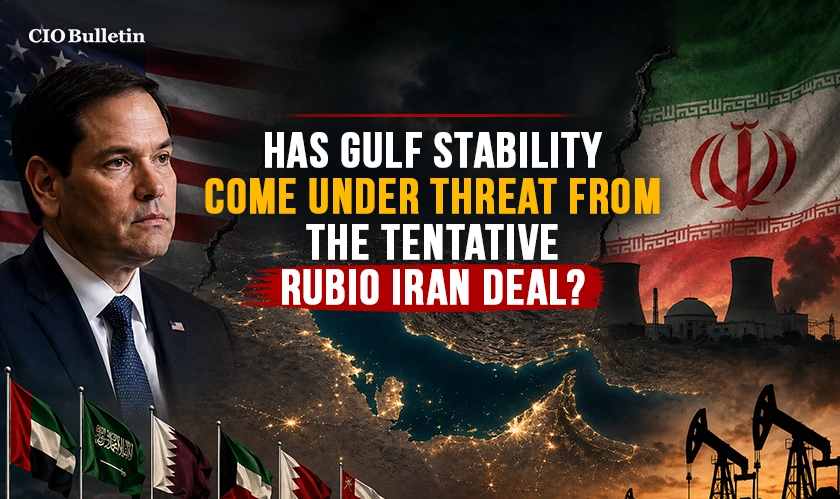
As negotiations strive for a final agreement within a 60-day timetable, the US and Iran makes contradictory comments, notably on nuclear oversight. Iran won't be allowed to impose tolls in the Strait of Hormuz until a final agreement is reached, according to US Secretary of State Marco Rubio. Following US President Donald Trump's announcement that Tehran had consented to the "highest level" of monitoring, Iran has denied US assertions that it will permit nuclear inspectors to return to the nation.
Iran's ballistic missile program is still not included in the current talks with the United States, according to Iran's President Masoud Pezeshkian. The fifth round of US-brokered negotiations between Israel and Lebanon has begun, with the Israeli ambassador calling the talks a "train-wreck."
The two nations presented divergent accounts regarding financial incentives for Iran, control of the Strait of Hormuz, and Israel's parallel war in Lebanon—all significant components of the framework agreement they signed last week that seeks to end the conflict during their first round of negotiations in Switzerland.
However, Trump said that talks with Iran were going well. At a rally in Pennsylvania, he declared, "We're getting along quite well."
The future of nuclear diplomacy may depend on whether Washington and Tehran can move from confrontation toward verification and dialogue.
CIO Bulletin reports that the requests for feedback regarding its potential role have not received a response from the International Atomic Energy Agency. Since Israel's 12-day battle in Iran in 2025, it has been in and out of the country, but it has not been allowed access to bombed uranium enrichment facilities that the United States has targeted.
A larger conflict between security demands and diplomatic trust is reflected in the disagreement between Trump and Tehran over nuclear inspections and the Strait of Hormuz. Tehran sees external inspections as a question of sovereignty and leverage, while the US wants more monitoring and guarantees over Iran's nuclear program.
Everything you need to know about this news
The primary point of contention is nuclear oversight and inspections; Iran opposes further external access, while the US wants more stringent oversight.
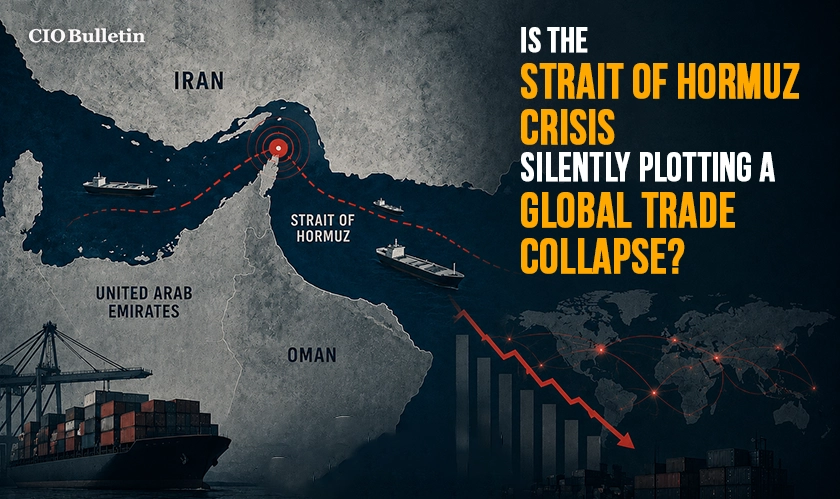
Control and security in the Strait of Hormuz are important regional and worldwide concerns because it is a vital global energy transportation route.
There is ambiguity regarding the future monitoring structure because Iran has refuted US promises that it will permit nuclear inspectors to return.
The ongoing negotiations with the United States do not concern Iran's ballistic missile program, according to Iranian President Masoud Pezeshkian.
While a failure could raise the possibility of regional instability and broader conflict, a successful agreement could lower tensions and enhance nuclear transparency.









.webp)



 consultants ltd.jpg)


Comments