
Home Technology Security Iran War’s Impact on Gulf Se...
Security
CIO Bulletin,
14 May, 2026
Author:
Sambhrant Das
Recalibrating Regional Stability and Strategic Alliances Amidst Heightened Energy Risks and Evolving Geopolitical Tensions in the Gulf
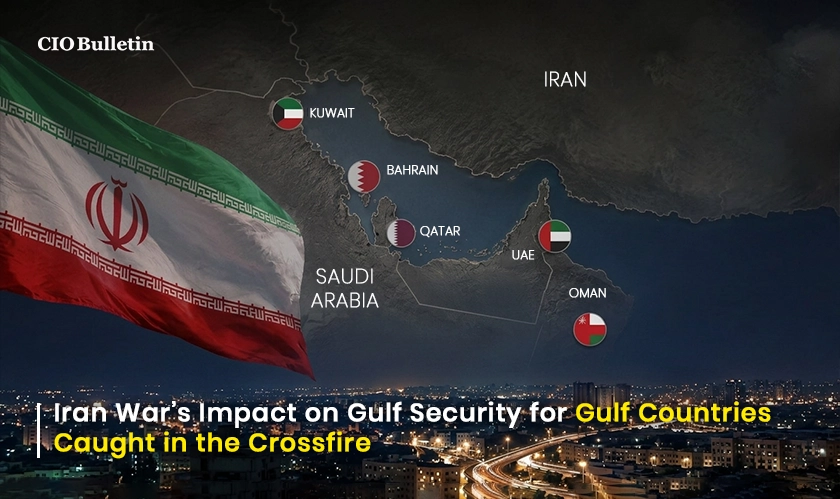
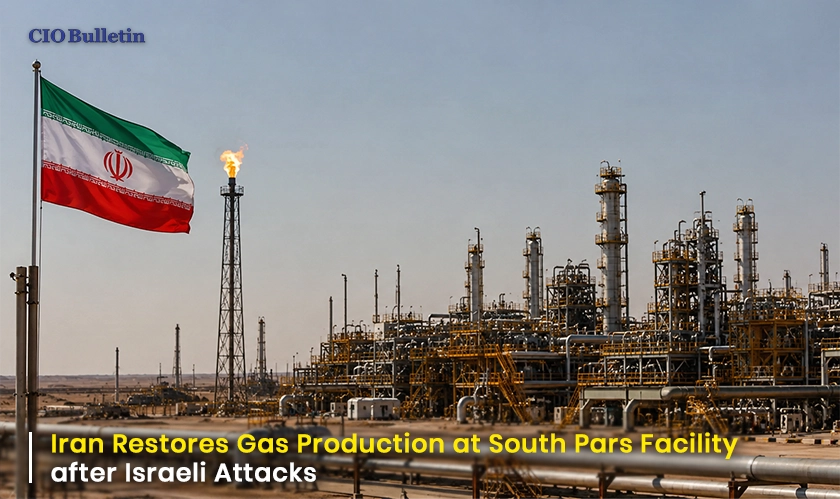
Amidst the Middle East conflict, the Gulf monarchies and sheikhdoms abundant in oil are increasingly having to come to terms with the fact that their neighbors and the larger West Asian region are not immune to the far-reaching consequences of a war that they were not of their choosing, despite being in amicable terms with and hosting the troops of the US, the world’s sole superpower. The Iran war’s impact on Gulf security has led to the Gulf countries’ leadership coming under strain, and the limits of their power stand exposed with Iran’s attack on their energy infrastructure.
Significantly, the region’s image as a safe haven for foreign investment, a hub for international companies, and a welcoming space for expats has gone downhill after Iran’s belligerence. The region’s attractiveness for stakeholders stems from its stability, openness, and insulation. However, the current conflict has thrown these factors into deep disarray. Following the crisis-like situation, the region's powers that be are left scrambling to formulate a strategy to tide them over this turbulent geopolitical landscape. At the same time, they will also have to deal with the questioning of the prudence of relying on the US-Israeli combine alone for their security and economic needs, especially when Iran has viewed them as an existential threat since the 1979 Islamic Revolution. In their defence, their alliances with Israel were driven by the apprehensions of Tehran’s nuclear ambitions.
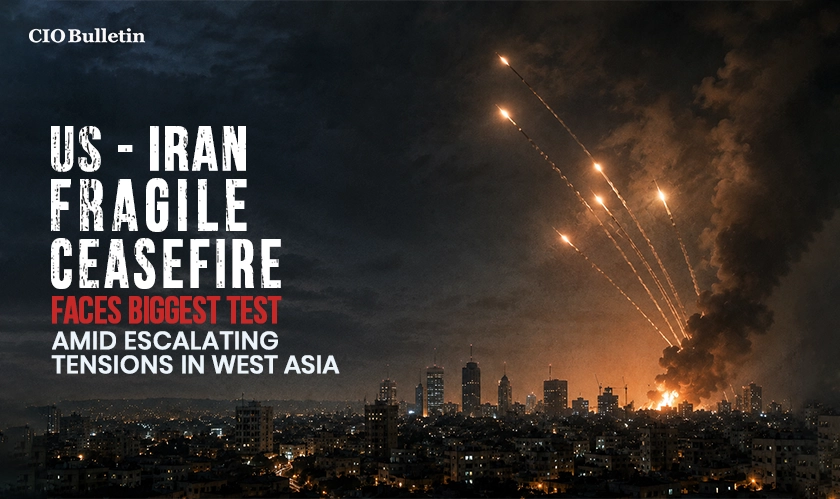
Moreover, the current conflict has forced countries to recalibrate their security doctrines and continue to rely on the US’ security guarantees by cooperating closely with Washington on defence. The euphoria over the US attack on Iran’s nuclear facilities in the 12-day war of 2025 and the assassination of its Supreme Leader Ali Khamenei has now all but evaporated following Iran’s counterattack in the next forty-eight hours. The Gulf countries’ public posturing of favoring de-escalation does not present the whole story, with several states quietly pressing the US to ensure that Iran is decisively weakened to secure their futures. This dual approach is a classic example of strategic hedging.
Also, the situation gets even trickier when the Saudi Arabia and UAE partnership takes on an acrimonious turn, with both sides vying for influence inside and beyond the Gulf Cooperation Council. According to CIO Bulletin, the road ahead is full of doubt, and whether Gulf countries’ coping strategies work will hinge on how the war actually ends.










 consultants ltd.jpg)


