
Home Technology Security US-Iran Fragile Ceasefire Face...
Security
CIO Bulletin,
01 June, 2026
Author:
Sambhrant Das
Tit For Tat Airstrikes Bypass Communication Channels and Force Cargo Vessels to Detour Around Africa as Shaky Truce Between Superpowers Falters on the Front Lines
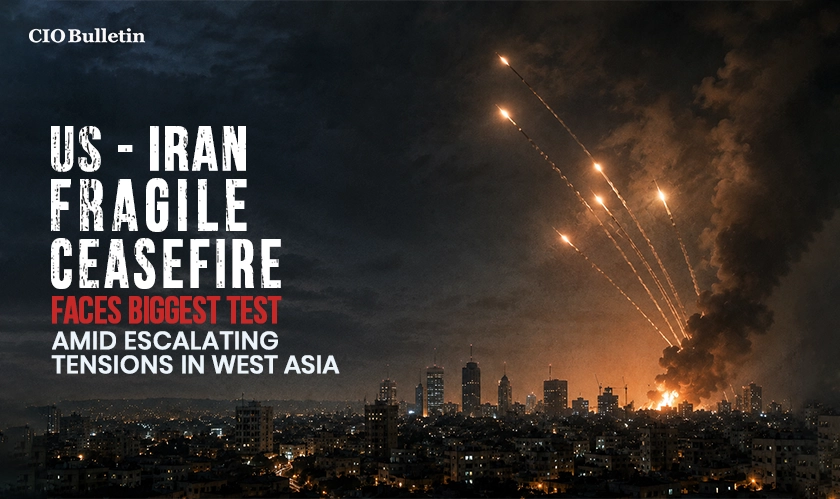
The situation across the Middle East has taken another dangerous turn, pushing regional diplomacy right up against the breaking point, amid indications that the shaky truce between the US & Iran could fall apart any moment. In the last couple of days, sudden rocket volleys and heavy airstrikes have torn through the region, pulling global superpowers back into a live, face-to-face standoff. Military experts are now sounding the alarm, saying these intense border clashes could very easily spiral, and that vital ocean trade routes might get shut down. With tensions boiling over and both Washington and Tehran not willing to step back from their hardline positions, the US-Iran fragile ceasefire stands on increasingly shaky ground.
The sudden breakdown in peace followed a wave of coordinated drone raids on coalition outposts, which brought an immediate, heavy response from Western naval forces. Commanders on the ground say these attacks have completely ignored old communication channels, leaving international watchdogs powerless to stop the conflict. From reports coming out of the front lines, a few critical zones are taking the brunt of it, where the impact is the greatest:
Rockets Caught in Mid-Air: advanced air defense networks scrambled to intercept several heavy missiles headed for major military bases and supply hubs.
Strikes on Launch Sites: Jet fighters launched retaliatory raids, trying to remove active missile pads and those hidden weapon warehouses tied to local armed groups.
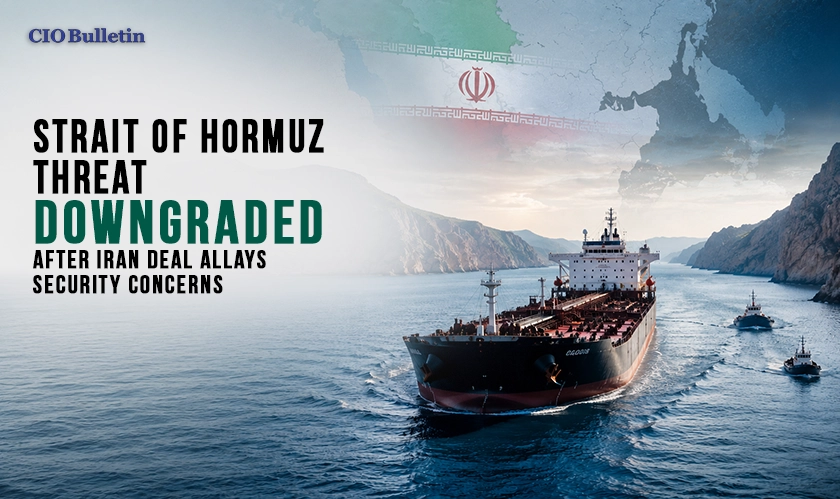
Cargo Ships Steering Clear: Ship tracking data shows commercial freight liners completely changing course to avoid getting caught in the crossfire of anti-ship weapons.
The violence on the battlefield is matching the harsh talk coming out of political offices, making it look like a return to peace talks is entirely off the table for now. Instead of using quiet backchannels to de-escalate hostilities, both sides are publicizing tough ultimatums to show strength to their citizens at home. Pointing out how quickly the quiet on the ground is disappearing, a senior diplomatic representative stated, “The fragile arrangements on the ground cannot survive continuous unilateral aggression without drawing a decisive response.”
This quick jump in missile strikes is hitting global energy markets hard, so oil prices are spiking as traders brace for long-term shipping disruptions. Insurance for cargo ships using the nearby sea lanes has jumped overnight, and now shipping firms are forced into long, incredibly pricey detours around Africa. That financial pressure is already leaking into consumer pricing worldwide, showing how a dispute in one corner of the world can start ripple effects and inflation everywhere else as well.
The real challenge for global security teams will be finding a way to stop these constant border clashes from pulling nearby countries into a massive regional war. Counting on quick, temporary truces without fixing the deep political grudges underneath just gives both sides a chance to reload for the next round. CIO Bulletin views this development as a stark reminder of how fast unmonitored proxy fights can ruin months of careful talking, proving that a peace deal is only as good as the actual enforcement of keeping things quiet on the ground.













 consultants ltd.jpg)


