
Home Technology Security Israel Lebanon News: Can Separ...
Security
CIO Bulletin,
29 June, 2026
Author:
Sambhrant Das
lebanese parliament speaker rejects washington border framework amid intense domestic political polarization
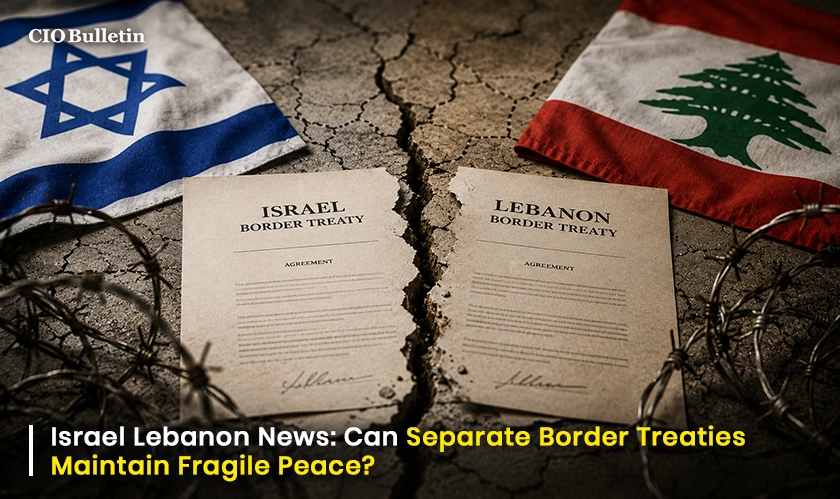
A high-stakes diplomatic effort to defuse regional warfare has triggered an intense political backlash inside Beirut, exposing deep national fractures. Nabih Berri, Lebanon’s influential Parliament Speaker and a staunch ally of Hezbollah, heavily criticized a United States-brokered diplomatic agreement signed with Jerusalem late last week. This development introduces profound complications for broader Israel Lebanon news coverage, as local leadership factions remain deeply divided over the legitimacy of the independent Washington framework.
The legislative chief dismissed the separate bilateral document entirely, insisting that any peace initiatives excluding broader regional state actors are destined to collapse on the ground. By circumventing direct, synchronized involvement with principal external backers, the current framework risks fracturing domestic political unity.
The structural vulnerabilities threatening the current diplomatic text include:
Full rejection from heavily armed domestic factions who view the arrangement as an outright surrender.
Inability to enforce security mandates without a comprehensive consensus from state security forces.
Deepening polarization between the sitting presidency and parliament over sovereign border rights.
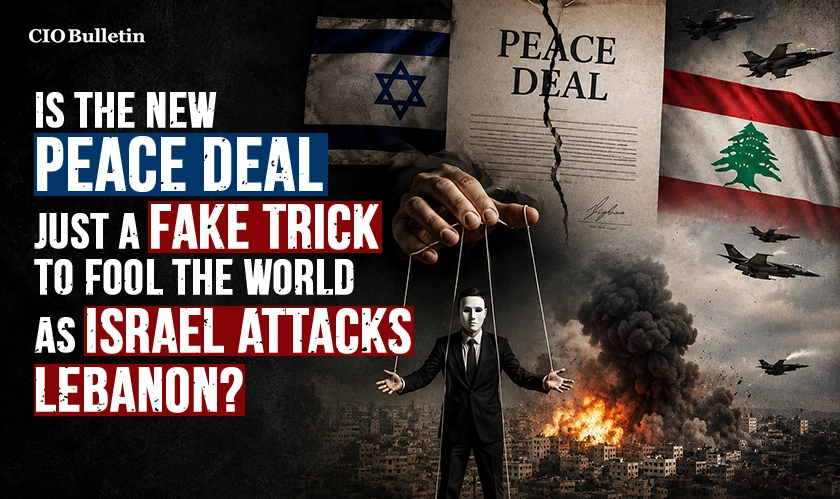
Critics of the standalone treaty argue that separating local border stabilization efforts from broader international proxy dynamics will only help extend foreign military operations on sovereign land. They emphasize that permanent stability can only be realized through comprehensive, parallel diplomatic understandings.
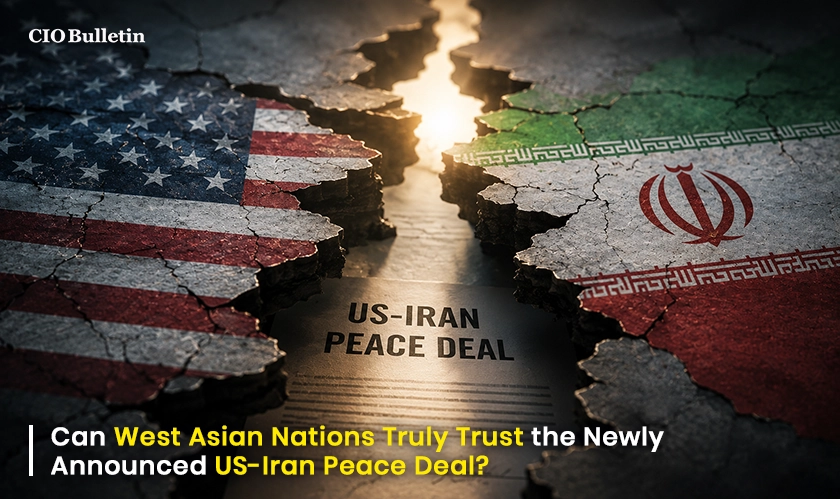
"Any attempt to separate Lebanon from the U.S.-Iran track would prolong Israeli occupation," - Nabih Berri
While executive ambassadors praised the initial signing as a step toward restoring sovereign control, opposing factions are looking at the embedded demilitarization clauses as a direct threat to their internal defense assets. Local governance is stuck due to this fundamental disagreement, exactly when stabilization measures are urgently needed.
Prime ministerial declarations maintain a military presence if localized disarmament targets fail.
Deepening internal rifts over face-to-face negotiations with the neighboring administration.
Delays in executing coordinated pullbacks along contested southern boundary lines.
The widening gap between Lebanon's executive negotiators and legislative leaders also makes it clear how hard it is to enforce Western-backed diplomatic solutions inside fiercely polarized settings. When there is no unified internal front, these “big stage” agreements signed on the global level rarely translate to stable, real-world security on the ground. CIO Bulletin sees this as a sharp reminder that localized peace treaties stay highly volatile when major domestic stakeholders refuse to ratify the core terms.
Everything you need to know about this news
Lebanon’s Parliament Speaker Nabih Berri, a prominent political figure and key ally of Hezbollah, publicly slammed the diplomatic text.
Berri warned that the independent deal would trigger severe internal divisions among the Lebanese people and ultimately fail to be implemented.
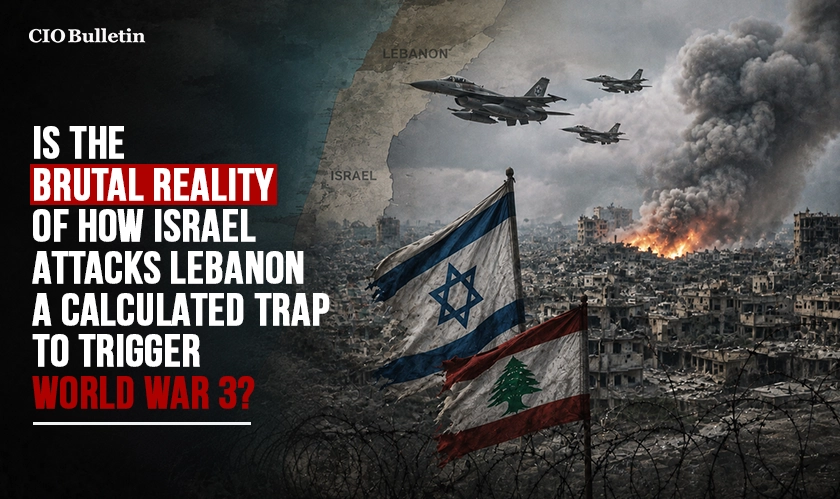
The agreement allows forces to maintain positions in the southern border areas if localized militant disarmament conditions are not met.
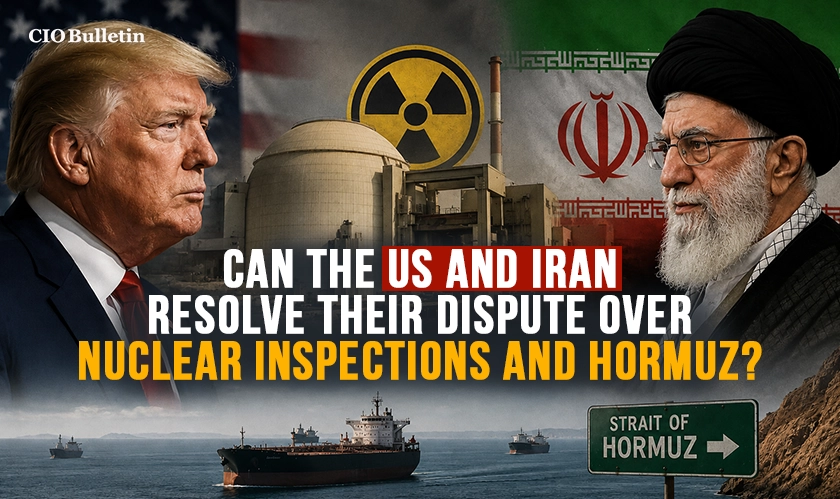
He stated that parallel negotiations involving both the United States and Iran represent the only realistic path to secure a complete military withdrawal.
The framework was formally signed by the respective Lebanese and Israeli ambassadors to Washington on Friday, June 26, 2026.














 consultants ltd.jpg)


Comments