
Home Technology Security Can West Asian Nations Truly T...
Security
CIO Bulletin,
15 June, 2026
Author:
Sambhrant Das
Gulf leaders demand ironclad enforcement of shipping lane protections as global commerce hangs in the balance of a fragile truce
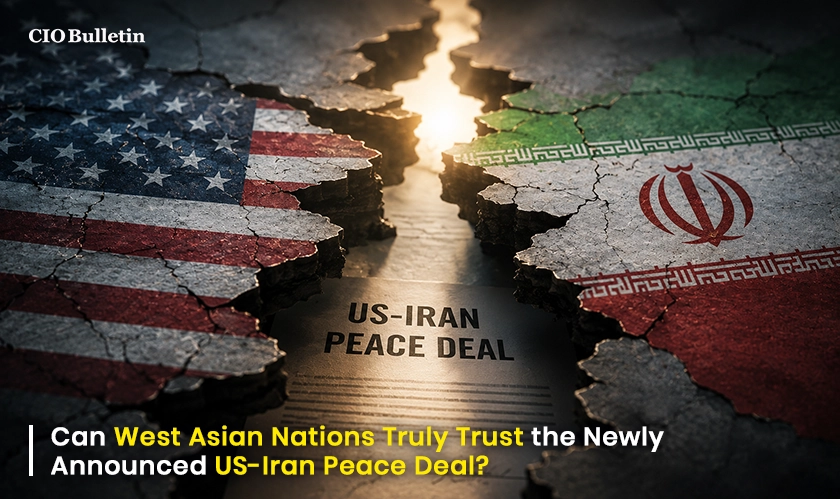
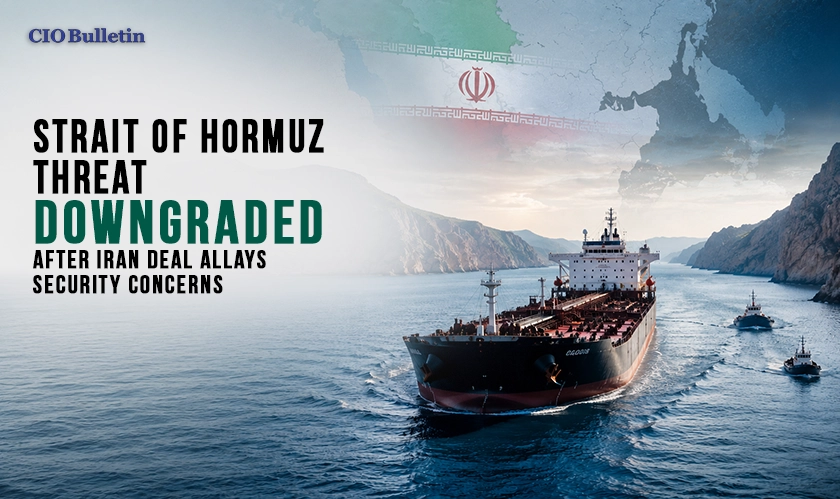
The United Arab Emirates has officially urged all participating nations to ensure the total and unconditional execution of the preliminary US-Iran Peace Deal following months of destructive regional warfare. In a formal press release issued by the Ministry of Foreign Affairs, Abu Dhabi emphasized that the tentative memorandum of understanding must translate into an immediate cessation of all active military hostilities. Emirati diplomats are putting immense pressure on both Washington and Tehran to secure long-term maritime safety. A sudden diplomatic breakthrough is being touted; the goal is still to stabilize international energy corridors that have been heavily disrupted by drone and missile strikes.
Keeping volatile shipping lanes safe remains the top concern for Gulf nations, because they rely on unhindered maritime access. The modern global economy cannot handle prolonged blockades without sliding into broader financial panic.
Commercial shipping entities demand the immediate removal of naval mines scattered across global trade bottlenecks.
International law must be strictly upheld to prevent unlawful boarding of foreign-flagged merchant vessels.
The agreement explicitly lays out that transit fees and unauthorized blockades by local paramilitary forces must end.
Officials also looked back at the immense economic damage caused by the targeted drone strikes on regional energy hubs like Fujairah port. They declared that open waters cannot be put on the negotiating table and that the onus of regional stability is a collective responsibility of all nations.
The severe cross-border conflict has claimed thousands of lives and completely paralyzed global supply chains, cutting off vital liquefied natural gas and petroleum exports. Facing a strategic military stalemate and immense inflation, both superpowers were pushed to accept external mediation in Pakistan to prevent a full-scale ground invasion. The resulting preliminary accord offers a fragile breathing space for nations caught directly in the crossfire of retaliatory missile volleys.
Even with the truce on paper, enforcing the delicate terms is a complicated task. Hardline political factions on both sides keep trying to undermine the compromise, and moving ahead requires a clear phased roadmap to resolve deep-seated disputes over blocked financial assets and nuclear material.
Vulnerable Gulf states are asking for enforceable guarantees against local infrastructure in the future.
Independent international watchdogs must closely oversee the demining operations to safely reopen international waters.
The phased release of billions of dollars in frozen funds remains tied directly to verified compliance on the ground.
Global stock markets may have rallied on the news of a potential truce. Nevertheless, regional analysts remain very cautious about long-term prospects for any lasting peace. With neighboring borders heavily militarized and the political rhetoric staying sharp, the real test will be whether signature protocols are respected, in practice, not just in announcements. CIO Bulletin views this development as a highly critical turning point that could either secure the future of global commerce or spark a much larger regional explosion if the initial terms fall apart.










 consultants ltd.jpg)


